Cart
0
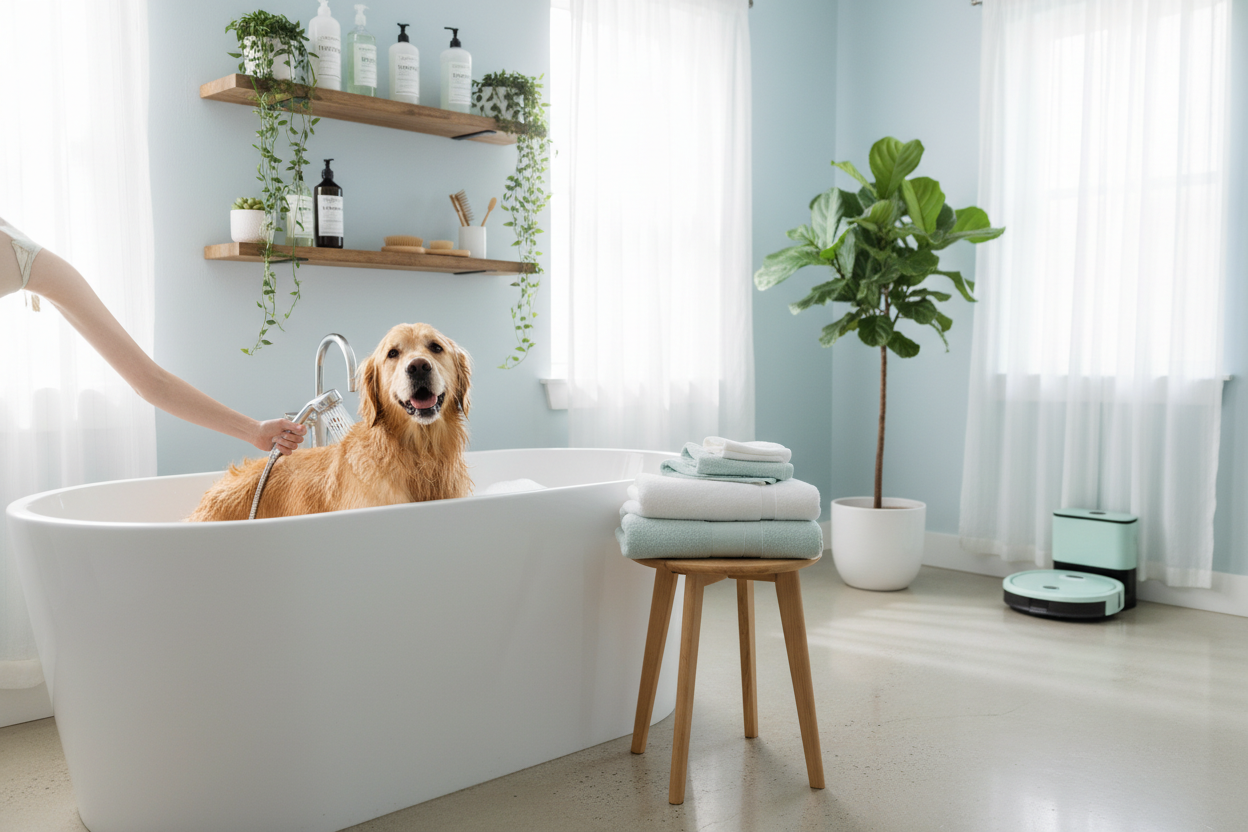
Ultimate Guide: Pet Hygiene and Home Cleaning for a Healthier Environment
Maintaining a clean, healthy home for you and your pets involves more than regular tidying—it requires consistent pet hygiene practices and smart cleaning strategies. This comprehensive guide covers everything from managing pet hair and accidents to preventing diseases, ensuring a safe and fresh environment for all family members.
Key Takeaways
- Proper pet hygiene reduces health risks like parasites and zoonotic diseases.
- Regular grooming and the right tools control shedding and allergens.
- Swift cleaning of accidents with enzymatic cleaners prevents odors and bacteria.
- Cat owners must maintain litter box hygiene carefully to avoid parasite transmission.
- Parasite control, safe food storage, and clean toys protect pets and humans alike.
- Creating a pet-friendly, easy-to-clean home simplifies upkeep and maintains health.
Table of Contents
- 1. Understanding Pet Hygiene: Why It’s Vital for Health
- 2. Managing Pet Hair: Effective Tools and Techniques
- 3. Handling Pet Accidents: Swift Cleaning to Eliminate Odors and Germs
- 4. Litter Box Hygiene: Essential Guidelines for Cat Owners
- 5. Grooming and Coat Care: Keeping Skin and Fur Healthy
- 6. Flea, Tick, and Parasite Control: Safeguarding Your Pet and Family
- 7. Safe Pet Food Use and Storage: Preventing Contamination
- 8. Cleaning Pet Toys and Accessories: Eradicating Germs
- 9. Creating a Pet-Friendly, Easy-to-Clean Home Environment
- Conclusion: A Comprehensive Approach to Pet Hygiene and Cleaning
1. Understanding Pet Hygiene: Why It’s Vital for Health
Pets naturally carry a variety of bacteria, parasites, and germs. While many are harmless, others pose risks to both pets and humans. Maintaining diligent hygiene practices can greatly reduce health hazards associated with our animal companions.
- Parasites and bacteria: Fleas, ticks, and Toxoplasma gondii can cause serious infections, especially in vulnerable populations.
- Zoonotic diseases: Diseases transmitted from pets to humans, including cat-scratch fever and Lyme disease, make up over 60% of infectious illnesses.
- Environmental contamination: Pet hair, dander, feces, and germs can accumulate in your home if not cleaned thoroughly.
By understanding these risks and committing to proper cleaning and hygiene routines, you protect your family’s health and promote your pet’s well-being.
2. Managing Pet Hair: Effective Tools and Techniques
Pet hair can accumulate rapidly on furniture, carpet, and clothing, causing allergens and visual clutter. The right approach makes hair management straightforward.
- Regular grooming: Brush short-haired pets weekly and long-haired pets 2-3 times per week to reduce shedding.
- Vacuuming: Use pet-specific vacuum attachments to lift embedded hair from carpets and upholstery effectively.
- Specialized tools: Velvet pet hair removers, rubber brushes, and robot vacuums designed for pet hair can simplify cleanup.
- Outdoor management: Allow mud to dry before cleaning to avoid spreading stains indoors.
Dedicating a few minutes daily to grooming and cleaning supports continuous hair control.
3. Handling Pet Accidents: Swift Cleaning to Eliminate Odors and Germs
Accidents happen, no matter how well trained your pet is. Prompt cleaning is key to preventing stains, odors, and bacteria buildup.
- Act swiftly: Remove solid waste immediately and blot wet stains to prevent permanence.
- Enzymatic cleaners: These break down organic residues, eliminating odors and reducing bacterial risks. For example, Nature's Miracle is highly recommended.
- Avoid harsh chemicals: Use pet-safe products, especially on floors and furniture where pets spend time.
- Preventive measures: Waterproof covers and low-pile rugs can simplify cleanup after accidents.
Ensuring thorough cleaning discourages repeat accidents and maintains a fresh living space.
4. Litter Box Hygiene: Essential Guidelines for Cat Owners
Cats present unique challenges, especially due to parasites like Toxoplasma gondii found in cat feces. Proper litter box care significantly lowers infection risks.
- Perform daily scooping to prevent infectious oocysts from activating.
- Wear gloves when handling litter and always wash hands afterward.
- Clean the litter box weekly using mild soap; avoid harsh chemicals harmful to cats.
- Assign litter box duties to household members who are not pregnant or immunocompromised.
- Choose non-irritant, dust-free litter to protect respiratory health.
These steps help maintain a sanitary environment crucial for both cat and human health.
5. Grooming and Coat Care: Keeping Skin and Fur Healthy
Regular grooming is essential beyond mere appearance; it promotes skin health and reduces allergens indoors.
- Brushing removes dirt, spreads natural oils, and minimizes shedding.
- Use hypoallergenic shampoos for bathing, generally no more than once a month depending on coat and lifestyle.
- Trim nails periodically and consider paw waxing for pad protection.
- Clean ears regularly to prevent infections.
- Consult professional groomers for nail trims, clipping, and specialty treatments.
Consistent grooming keeps pets comfortable, healthy, and reduces indoor allergens.
6. Flea, Tick, and Parasite Control: Safeguarding Your Pet and Family
Parasites like fleas and ticks cause irritation and can transmit serious diseases to pets and humans alike.
- Use veterinarian-recommended preventatives: topical treatments, oral meds, and collars.
- Inspect pets after outdoor activity, especially in wooded or grassy areas, and remove ticks swiftly.
- Keep your home tidy to reduce parasite breeding grounds.
Prevention is the most effective way to protect your furry friends and family from illnesses like Lyme disease and cat-scratch fever.
7. Safe Pet Food Use and Storage: Preventing Contamination
Proper storage and handling of pet food reduce risks of contamination and illness.
- Store dry and opened wet food in airtight containers.
- Keep food in cool, dry areas away from heat and moisture.
- Wash hands before and after feeding pets to maintain hygiene.
- Regularly clean feeding bowls and areas with pet-safe cleaners.
- Handle raw diets with extra care to limit pathogen spread.
These habits promote safe feeding and contribute to your pet’s overall health.
8. Cleaning Pet Toys and Accessories: Eradicating Germs
Toys, collars, and leashes can quickly become breeding grounds for bacteria and mold if not cleaned regularly.
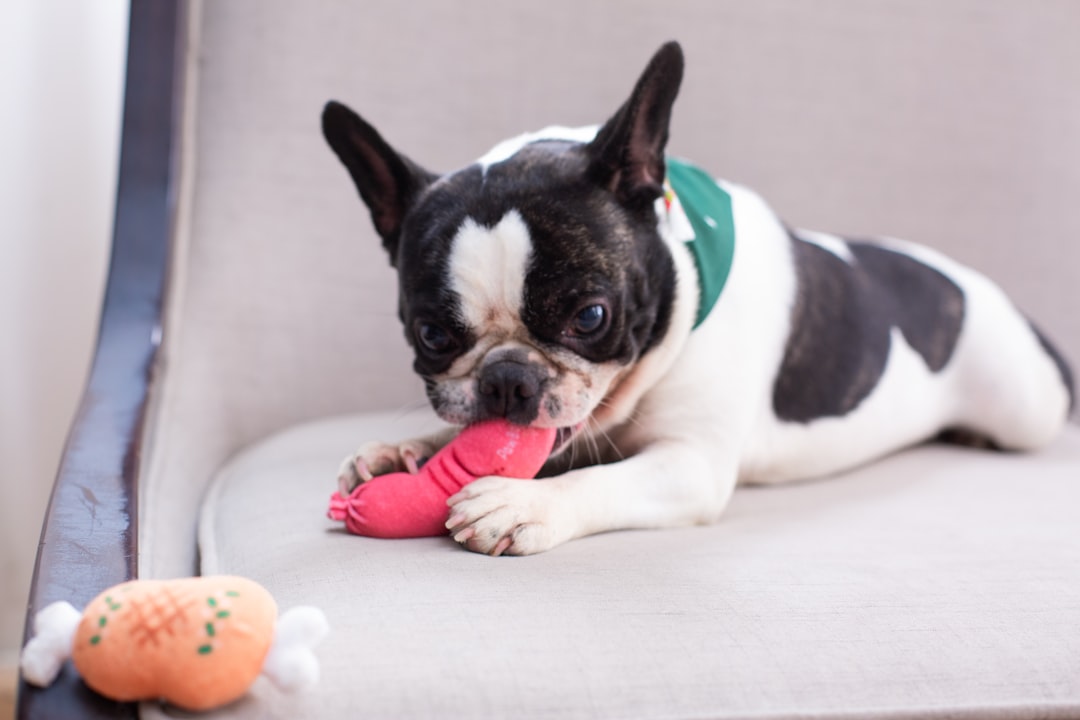
- Machine wash soft toys or replace them when worn out.
- Wash hard toys with warm, soapy water and rinse thoroughly.
- Clean collars and leashes every 4–6 weeks.
- Discard damaged items that harbor germs such as torn toys or cracked collars.
Keeping pet items clean prevents microbial buildup and safeguarding pet health.
9. Creating a Pet-Friendly, Easy-to-Clean Home Environment
The home environment plays a big role in how manageable pet cleaning and hygiene can be.
- Use slipcovers and washable fabrics on furniture to capture fur and dirt.
- Choose low-pile rugs for easier cleaning and less hair retention.
- Install gates to contain pets during cleaning or after accidents.
- Designate organized, sanitary feeding and sleeping areas for pets.
Following these tips creates a pet-friendly space that supports easier upkeep and a healthier household.
Conclusion: A Comprehensive Approach to Pet Hygiene and Cleaning
A clean and healthy home requires balanced routines involving consistent grooming, prompt accident management, litter box care, parasite prevention, and safe food handling. These efforts not only keep your space fresh but also protect your family’s wellness.
Remember, your pets depend on you for the care that promotes their happiness and health. Integrate these expert tips into your daily life to nurture a joyful and thriving household alongside your furry friends.
Discover premium pet accessories and cleaning products designed to support your pet hygiene needs by visiting Petocart’s collection.
FAQ
How often should I groom my pet to reduce shedding?
Short-haired pets benefit from weekly brushing, while long-haired breeds require grooming 2-3 times weekly to effectively manage shedding.
What is the best way to clean pet urine accidents?
Act quickly to blot urine and then apply an enzymatic cleaner designed to break down organic stains and neutralize odors, avoiding harsh chemicals.
Are there special considerations for litter box cleaning?
Yes, daily scooping and weekly cleaning with mild soap are essential, along with wearing gloves and ensuring pregnant or immunocompromised individuals avoid handling litter to reduce infection risks.
How can I prevent fleas and ticks effectively?
Use veterinarian-recommended preventatives, inspect pets after outdoor activity, and keep your home clean to minimize parasite habitats.
What are the best practices for safe pet food storage?
Store food in airtight containers in cool, dry places; wash hands before and after feeding; and clean bowls regularly to prevent contamination.