

Cart
0


Apera Instruments 5052 Saltwater Salinity Tester - 0-100 PPT, ±1.5% Accuracy, Stainless Steel/Plastic, Model AI235 for Aquariums & Monitoring
Free Shipping Across USA
Couldn't load pickup availability
Vendor: Apera Instruments
Type: Other-Fish-Water Care
Sku: WBPETB07CNL3XYV
Available: Sold Out
Sold by Petocart, an authorized reseller.
Returns accepted within 30 days | support@petocart.com
Shipping Information
- Free Shipping Across — United States only
- Processing Time: 3-5 business days
- Estimated Delivery: 6-10 business days
- Safely packaged to keep your pet's products fresh & intact
- Tracking number sent via email once dispatched
- Orders over $250 require signature upon delivery. Taxes calculated at checkout.
Returns & Refund
Returns accepted within 30 days of delivery.
Damaged or Defective Item
Free return shipping + replacement or full refund
Wrong Item Received
Free return shipping + replacement or full refund
Change of Mind
Return shipping at customer's expense · Restocking fee may apply
All returns require a Return Authorization (RA) number before sending.
View Full Return & Refund Policy
Safety & Compliance
⚠️
California Proposition 65 Warning
Some products sold on this website may expose you to chemicals known to the State of California to cause cancer, birth defects, or other reproductive harm.
www.P65Warnings.ca.gov
🐾
Pet Safety Advisory
Consult your veterinarian before use if your pet has a known medical condition, is pregnant, nursing, or is on medication.
Keep out of reach of children. For animal use only.
ℹ️
Product Usage Notice
Always read labels, directions, and ingredient lists before use. Discontinue use and contact your vet if your pet shows signs of adverse reaction.
Guarantee safe checkout


Apera Instruments 5052 Saltwater Salinity Tester - 0-100 PPT, ±1.5% Accuracy, Stainless Steel/Plastic, Model AI235 for Aquariums & Monitoring
$115.54

Related products

#1 All Systems 27mm Firm Pin Brush, Large, Black - Premium Grooming Tool for Pets, Model 13039
Regular price
$41.08
Sold Out
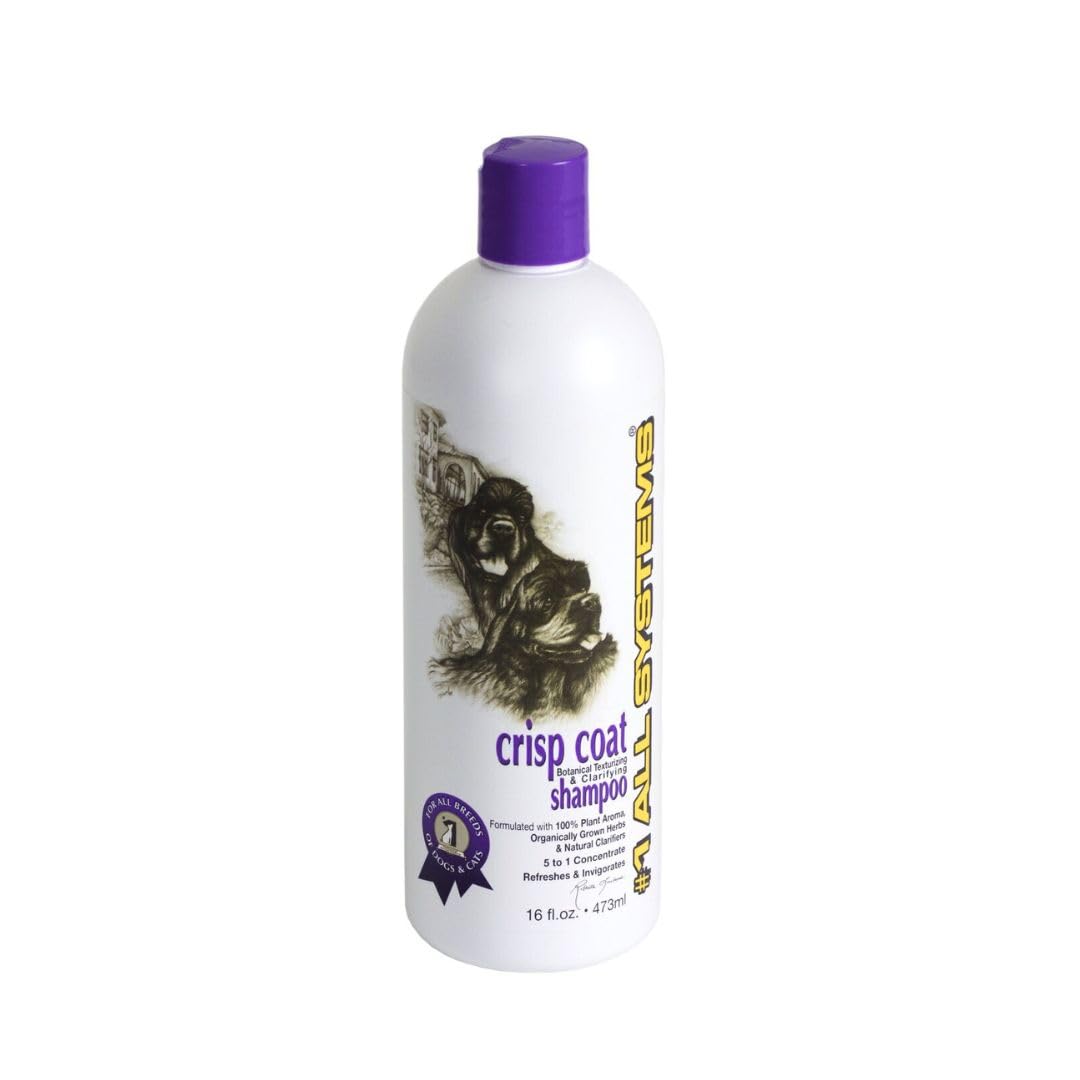
#1 All Systems Crisp Coat Botanical Texturizing And De-Toxifying Shampoo-16Oz
Regular price
$35.01
Sold Out
Frequently Asked Questions
- Q: What is the accuracy of the Apera Instruments 5052 Saltwater Salinity Tester? A: The accuracy is plus or minus one point five percent of the full range. This ensures reliable salinity measurements from zero to one hundred parts per thousand.
- Q: What materials are used in the construction of the Apera 5052 Tester? A: The tester is made from stainless steel and plastic. These materials provide durability and resistance to corrosion in saltwater environments.
- Q: Does the Apera 5052 have automatic temperature compensation? A: Yes, it features automatic temperature compensation. This allows the device to maintain accuracy across a temperature range from thirty-two to one hundred forty degrees Fahrenheit.
- Q: How do I use the Apera 5052 Saltwater Salinity Tester? A: Simply dip the tester into the saltwater and wait for stable readings in about ten seconds. There's no need for rinsing between tests, making it user-friendly.
- Q: Is calibration required for the Apera 5052 Tester? A: Calibration is required only once every month. A calibration solution is included in the kit to ensure optimal performance.
- Q: Can the Apera 5052 be used for aquariums and aquaculture? A: Yes, it is specifically designed for aquariums, fish farms, and environmental monitoring. Its reliable readings make it suitable for various aquatic applications.
- Q: What is the battery requirement for the Apera 5052 Tester? A: The tester operates on two AAA batteries. This design allows for a compact and portable unit.
- Q: How should I store the Apera 5052 Tester? A: Store the tester in its carrying case when not in use. Keeping it protected will help maintain its accuracy and prolong its lifespan.
- Q: Is the Apera 5052 Tester suitable for beginners? A: Yes, it is ideal for beginners due to its single-button operation and simple dip-and-test method. It makes salinity measurement accessible to everyone.
- Q: How can I ensure the Apera 5052 remains in good condition? A: Regular calibration and proper storage in the carrying case will help keep the tester in excellent condition. Avoid exposing it to extreme conditions.
- Q: What should I do if the Apera 5052 Tester arrives damaged? A: Contact the retailer for support and follow their return policy. Most retailers will offer a replacement or refund if the product is damaged upon arrival.
- Q: Is the Apera 5052 Tester waterproof? A: While the tester is designed for use in water, it is not recommended for submersion beyond the testing range. Always follow the manufacturer’s instructions.
- Q: What is the warranty period for the Apera 5052 Tester? A: The warranty period is two years for the instrument and six months for the sensor. This provides assurance of quality and reliability.
- Q: Can I use the Apera 5052 Tester for environmental monitoring? A: Yes, it can be used for environmental monitoring. Its accuracy and ease of use make it suitable for measuring salinity in various water sources.
- Q: What is the practical salinity range of the Apera 5052 Tester? A: The practical salinity range is from zero to one hundred parts per thousand. This allows for a wide range of applications in aquatic environments.