

Cart
0


Aquatic Plants on Mats (Java Moss on 3 X 3 mat)
Shipping calculated at checkout
Couldn't load pickup availability
Vendor: AquaLeaf Aquatics
Type: Other-Fish-Decor & Substrate
Sku: WBPETB09CLX7K38
Available: Available
Sold by Petocart, an authorized reseller.
Returns accepted within 30 days | support@petocart.com
Shipping Information
- Shipping calculated at checkout
- Processing Time: 3-5 business days
- Estimated Delivery: 6-10 business days
- Safely packaged to keep your pet's products fresh & intact
- Tracking number sent via email once dispatched
- Orders over $250 require signature upon delivery. Taxes calculated at checkout.
Returns & Refund
Returns accepted within 30 days of delivery.
Damaged or Defective Item
Free return shipping + replacement or full refund
Wrong Item Received
Free return shipping + replacement or full refund
Change of Mind
Return shipping at customer's expense · Restocking fee may apply
All returns require a Return Authorization (RA) number before sending.
View Full Return & Refund Policy
Safety & Compliance
⚠️
California Proposition 65 Warning
Some products sold on this website may expose you to chemicals known to the State of California to cause cancer, birth defects, or other reproductive harm.
www.P65Warnings.ca.gov
🐾
Pet Safety Advisory
Consult your veterinarian before use if your pet has a known medical condition, is pregnant, nursing, or is on medication.
Keep out of reach of children. For animal use only.
ℹ️
Product Usage Notice
Always read labels, directions, and ingredient lists before use. Discontinue use and contact your vet if your pet shows signs of adverse reaction.
Guarantee safe checkout


Aquatic Plants on Mats (Java Moss on 3 X 3 mat)
$30.95

Related products

#1 All Systems 27mm Firm Pin Brush, Large, Black - Premium Grooming Tool for Pets, Model 13039
Regular price
$41.08
$58.69
Sale price
+ Add to Cart
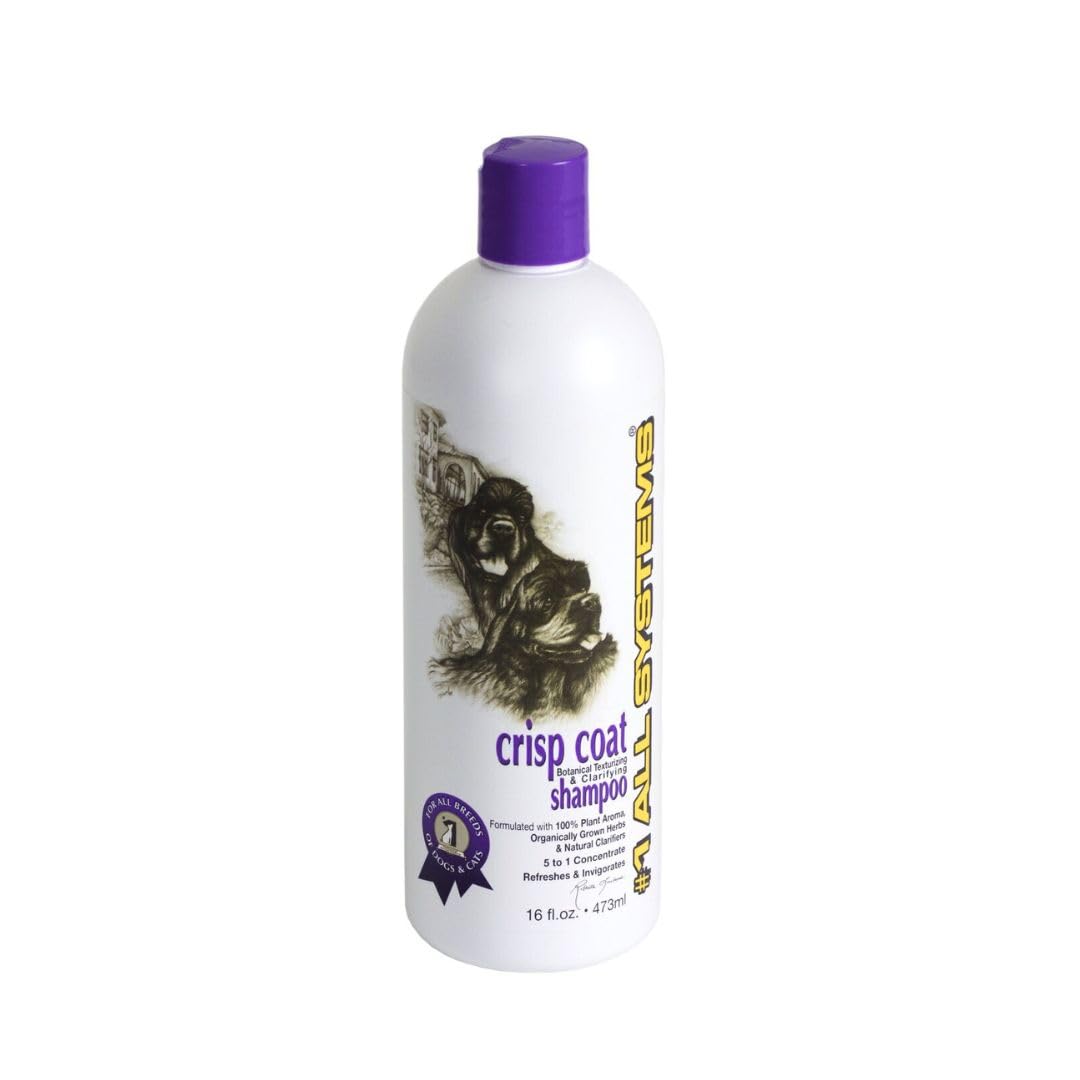
#1 All Systems Crisp Coat Botanical Texturizing And De-Toxifying Shampoo-16Oz
Regular price
$33.53
$47.90
Sale price
+ Add to Cart
Frequently Asked Questions
- Q: What are the dimensions of the Java Fern mat? A: The mat measures approximately three inches by two and a half inches. This size makes it ideal for various aquarium setups.
- Q: What type of plant is Java Fern? A: Java Fern is a freshwater aquatic plant known scientifically as Microsorum Pteropus. It is a popular choice for planted aquariums due to its hardiness.
- Q: How tall do the leaves of the Java Fern grow? A: The leaves can grow between three and six inches tall. This height provides visual appeal and habitat for smaller fish.
- Q: How do I attach the Java Fern mat in my aquarium? A: You can easily attach the Java Fern mat to driftwood, rocks, or other structures in your aquarium. Use fishing line or aquarium-safe glue for secure placement.
- Q: Is this Java Fern suitable for all aquarium sizes? A: Yes, the Java Fern is perfect for any size aquarium. Its adaptable nature makes it a great choice for both small and large tanks.
- Q: Can Java Fern survive in tanks with cichlids? A: Yes, Java Fern is well-suited for tanks containing cichlids and other large South American fish. Its hardy nature withstands the disturbances from these fish.
- Q: What is the best way to care for Java Fern? A: Java Fern requires low to moderate light and should be kept in clean, fresh water. Regular water changes and minimal fertilization will keep it healthy.
- Q: How can I ensure the Java Fern stays healthy? A: To keep your Java Fern healthy, provide it with proper lighting and avoid burying its rhizomes in substrate. Allow them to attach to surfaces instead.
- Q: Is the Java Fern mat safe for my fish? A: Yes, the Java Fern mat is safe for fish and invertebrates. It provides natural hiding spots and resting areas, promoting a healthy environment.
- Q: What materials are used in the Java Fern mat? A: The Java Fern is attached to a mat made of wood. This material supports the plant while allowing it to grow naturally.
- Q: How do I store the Java Fern if I'm not using it immediately? A: If not used immediately, keep the Java Fern mat in a cool, dark place. Ensure it remains moist to prevent drying out until it's ready to be placed in the aquarium.
- Q: Can I propagate Java Fern from the mat? A: Yes, Java Fern can be propagated by dividing the rhizomes. Once established, new plants can be created by separating the sections.
- Q: How does Java Fern benefit my aquarium ecosystem? A: Java Fern contributes to the aquarium ecosystem by providing oxygen, improving water quality, and offering habitats for fish and invertebrates.
- Q: Is Java Fern a fast or slow-growing plant? A: Java Fern is a slow-growing plant. This characteristic makes it low-maintenance and suitable for beginners in aquarium gardening.
- Q: What type of lighting is best for Java Fern? A: Java Fern thrives in low to moderate lighting. Bright lights can cause algae growth, so it's best to avoid direct sunlight.
- Q: What should I do if my Java Fern shows signs of distress? A: If your Java Fern appears unhealthy, check the water parameters and ensure it's not receiving too much light. Adjusting these factors can help restore its health.