

Cart
0


Seachem Denitrate 500ml
Free Shipping Across USA
Couldn't load pickup availability
Vendor: Seachem
Type: Water Care
Sku: WBPETB0006JLY0U
Available: Sold Out
Sold by Petocart, an authorized reseller.
Returns accepted within 30 days | support@petocart.com
Shipping Information
- Free Shipping Across — United States only
- Processing Time: 3-5 business days
- Estimated Delivery: 6-10 business days
- Safely packaged to keep your pet's products fresh & intact
- Tracking number sent via email once dispatched
- Orders over $250 require signature upon delivery. Taxes calculated at checkout.
Returns & Refund
Returns accepted within 30 days of delivery.
Damaged or Defective Item
Free return shipping + replacement or full refund
Wrong Item Received
Free return shipping + replacement or full refund
Change of Mind
Return shipping at customer's expense · Restocking fee may apply
All returns require a Return Authorization (RA) number before sending.
View Full Return & Refund Policy
Safety & Compliance
⚠️
California Proposition 65 Warning
Some products sold on this website may expose you to chemicals known to the State of California to cause cancer, birth defects, or other reproductive harm.
www.P65Warnings.ca.gov
🐾
Pet Safety Advisory
Consult your veterinarian before use if your pet has a known medical condition, is pregnant, nursing, or is on medication.
Keep out of reach of children. For animal use only.
ℹ️
Product Usage Notice
Always read labels, directions, and ingredient lists before use. Discontinue use and contact your vet if your pet shows signs of adverse reaction.
Guarantee safe checkout


Seachem Denitrate 500ml
$18.32

Related products

#1 All Systems 27mm Firm Pin Brush, Large, Black - Premium Grooming Tool for Pets, Model 13039
Regular price
$41.08
Sold Out
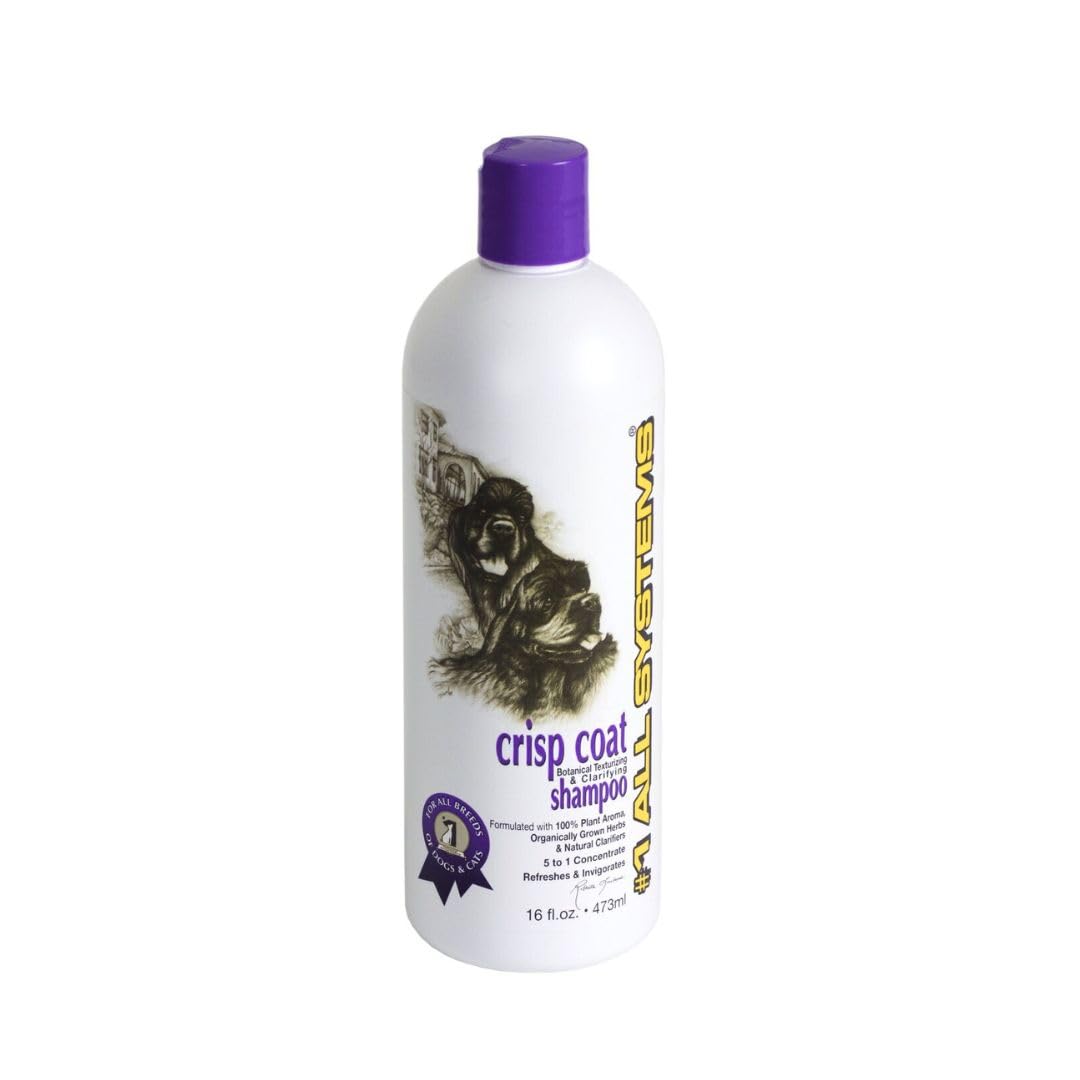
#1 All Systems Crisp Coat Botanical Texturizing And De-Toxifying Shampoo-16Oz
Regular price
$35.01
Sold Out
Frequently Asked Questions
- Q: What is the size of the Seachem Denitrate? A: The Seachem Denitrate is five hundred milliliters or two hundred grams. This size is suitable for various aquarium applications.
- Q: What materials are used in Seachem Denitrate? A: The primary material of Seachem Denitrate is a natural porous media. It is designed to promote both aerobic nitrification and anaerobic denitrification.
- Q: What are the dimensions of the Seachem Denitrate packaging? A: The packaging dimensions are six point four inches long, three inches wide, and three inches high. This compact design makes it easy to store.
- Q: How do I use Seachem Denitrate in my aquarium? A: To use Seachem Denitrate, place it in a filter or drip tray where water can flow through it. Ensure that flow rates are appropriate for effective denitrification.
- Q: Is Seachem Denitrate suitable for all aquarium types? A: Yes, Seachem Denitrate is suitable for freshwater and marine aquariums. It effectively reduces nitrates, making it ideal for various aquatic environments.
- Q: Can I use Seachem Denitrate in a canister filter? A: Yes, Seachem Denitrate works well in canister filters. It serves as an excellent biological filter media to support beneficial bacteria.
- Q: How should I store Seachem Denitrate? A: Store Seachem Denitrate in a cool, dry place away from direct sunlight. Keeping it sealed will help maintain its effectiveness.
- Q: Does Seachem Denitrate have a shelf life? A: Seachem Denitrate does not have a specified shelf life. However, it's best to use it within a reasonable time frame for optimal results.
- Q: Can Seachem Denitrate produce hydrogen sulfide? A: No, Seachem Denitrate does not pose a risk of hydrogen sulfide production. Unlike sulfur-based media, it is safe for aquarium use.
- Q: What flow rate is best for Seachem Denitrate? A: A flow rate of less than fifty US gallons per hour is ideal for optimal anaerobic denitrification. High flow rates may hinder its effectiveness.
- Q: How does Seachem Denitrate compare to other nitrate removal media? A: Seachem Denitrate is more effective for anaerobic denitrification than many other media. It provides a unique pore structure that supports beneficial bacteria.
- Q: Is Seachem Denitrate effective for removing nitrites and ammonia? A: Yes, Seachem Denitrate effectively removes nitrates, nitrites, ammonia, and organics. It enhances overall water quality in aquariums.
- Q: Is Seachem Denitrate safe for use in reef aquariums? A: Yes, Seachem Denitrate is safe for reef aquariums. It mimics the denitrifying processes found in live rocks.
- Q: How frequently should I replace Seachem Denitrate? A: Replace Seachem Denitrate as needed, depending on water quality. Regular monitoring of nitrate levels will help determine when to replace it.
- Q: Can beginners use Seachem Denitrate? A: Yes, beginners can use Seachem Denitrate. Its straightforward application makes it accessible for all aquarium hobbyists.
- Q: What is the main function of Seachem Denitrate? A: The main function of Seachem Denitrate is to reduce nitrates in aquarium water. It achieves this through anaerobic denitrification processes.