Cart
0
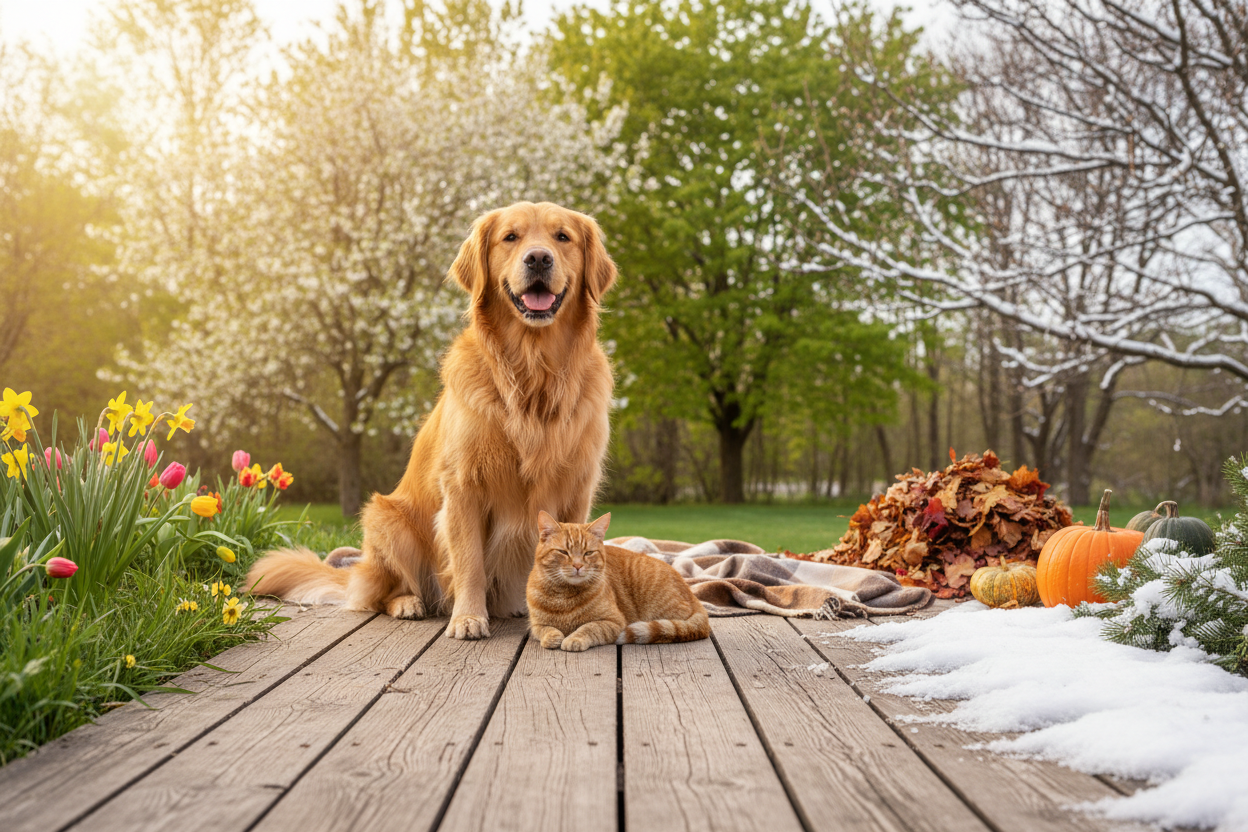
Master the art of seasonal pet care with expert tips tailored to each weather challenge, ensuring your furry friend stays healthy, comfortable, and happy all year long.
Seasonal Pet Care: Essential Tips for Keeping Your Pet Healthy All Year Round
Key Takeaways
- Adjust your pet’s care routine seasonally to address specific health risks.
- Prevent and detect common issues like fungal infections, heatstroke, allergies, and hypothermia.
- Maintain hydration, grooming, nutrition, and preventive health consistently throughout the year.
- Use specialized products and services to support seasonal needs effectively.
- Be proactive and observant to catch early signs of distress and seek veterinary help when needed.
Table of Contents
- Introduction to Seasonal Pet Care
- Monsoon Pet Care: Preventing Fungal Infections
- Summer Pet Care: Preventing Heatstroke and Staying Hydrated
- Autumn Pet Care: Managing Allergies and Mold Exposure
- Winter Pet Care: Preventing Hypothermia and Maintaining Paw Health
- Year-Round Essentials: Hydration, Grooming, Nutrition, and Preventive Health
- Specialized Products and Services
- Conclusion: Mastering Seasonal Pet Care
- FAQ
1. Introduction to Seasonal Pet Care
Caring for your pet involves more than just love and routine—it requires adapting their care to seasonal changes. Weather fluctuations can bring unique challenges affecting your pet’s health and comfort, so tailoring grooming, environment, and preventive health strategies each season is vital. This guide walks you through the key steps to manage seasonal risks and keep your pet thriving all year.
2. Monsoon Pet Care: How to Prevent Fungal Infections
Monsoon’s high humidity and wet conditions promote fungal growth, especially affecting moist areas like ears, skin folds, and paw pads. Pets exposed to rain without proper drying are particularly vulnerable to infections.
Why Fungal Infections Spike in the Monsoon
Prolonged dampness provides an ideal environment for fungi to flourish, leading to inflamed skin, itchiness, and discomfort. Moisture trapped in fur, paws, or ears exacerbates the risk.
Essential Monsoon Care Tips
- Dry Thoroughly After Wet Outings: Focus on paws, ears, and underbelly immediately after exposure to rain or damp surfaces.
- Prioritize Grooming: Regular brushing keeps fur tangle-free and boosts air circulation.
- Use Antifungal Products When Needed: Consult your vet about medicated shampoos if your pet has recurring skin problems.
- Maintain Dry, Clean Bedding: Change and wash bedding frequently to prevent mold growth.
- Clean Paws Daily: Remove moisture and contaminants to reduce infection risk.
- Steer Clear of Stagnant Water: Avoid areas with standing water to protect against parasites and bacteria like leptospirosis.
Warning Signs to Watch For
Look out for red or inflamed skin, unpleasant odors, persistent scratching, or flaky patches. Early attention improves healing and comfort.
For more monsoon-specific care tips, check out this detailed guide.
3. Summer Pet Care: Preventing Heatstroke and Staying Hydrated
Summer heat poses serious risks such as heatstroke, especially in breeds with thick coats, flat faces, seniors, puppies, and overweight pets. Since pets cool down mainly through panting, they’re prone to overheating without adequate protection.
Understanding Heatstroke in Pets
Heatstroke happens when a pet's body temperature rises excessively, leading to severe health consequences if untreated.
Symptoms of Heatstroke
- Heavy panting and drooling
- Lethargy or collapse
- Bright red or pale gums
- Vomiting or diarrhea
- Disorientation or seizures (severe cases)
Protecting Your Pet from the Heat
- Provide Shade and Fresh Water at All Times: Place multiple water bowls indoors and outdoors.
- Offer Cool Treats: Frozen pet-safe snacks like diluted chicken broth ice cubes or seedless watermelon help hydration.
- Avoid Midday Heat: Walk pets early morning or late evening. Check pavement temperature before walks.
- Don’t Shave Double-Coated Breeds: Their coat helps regulate temperature; brush to manage shedding instead.
- Apply Pet-Safe Sunscreen: Use on exposed areas like noses and ears for light-furred pets.
- Use Cooling Items and Environment: Tiled rooms, fans, or kiddie pools offer relief.
- Extra Caution for Flat-Faced Breeds: Keep indoors during hot, humid weather and limit exercise.
What to Do in Case of Heatstroke
Immediately move your pet to shade or an air-conditioned space. Offer small sips of water and gently cool ears, belly, and paw pads with cool water (not ice-cold). Contact your vet promptly.
Find more summer safety suggestions here.
4. Autumn Pet Care: Managing Allergies, Atopy, and Mold Exposure
Autumn brings allergens like pollen, mold spores, and decaying leaves that can cause persistent itching and inflammation, particularly in pets prone to atopy, a chronic skin allergy.
Recognizing Autumn Allergies and Atopy
These allergens trigger reactions including itchy skin, redness, sneezing, and ear infections.
Typical Allergy Symptoms
- Itchy or irritated skin
- Red patches or rashes
- Recurring ear infections
- Sneezing or coughing
How to Help Your Pet Through Allergy Season
- Frequent Baths and Brushing: Remove pollen and debris from skin and fur.
- Monitor for Fleas and Ticks: Use vet-approved preventives to avoid worsening symptoms.
- Thoughtful Medication: Vet may recommend medicated shampoos, antihistamines, or immunotherapy.
- Control Indoor Humidity: Use dehumidifiers and ensure good ventilation to reduce mold buildup.
Caution Around Rodenticides
Rodent activity increases in autumn, often leading to rodent poison use. Keep these products securely stored and away from pets due to their high toxicity.
Learn more about allergy management here.
5. Winter Pet Care: Preventing Hypothermia and Maintaining Paw Health
Cold weather poses risks such as hypothermia and cracked paws, especially for short-haired breeds, small pets, seniors, or those with health issues.
What is Hypothermia and Who is Most at Risk?
Hypothermia occurs when the body temperature falls dangerously low due to prolonged exposure to cold or wet conditions. Symptoms include shivering, fatigue, slowed breathing, and unresponsiveness.
Key Tips for Winter Safety
- Provide Warm, Waterproof Shelter: Insulate and raise outdoor shelters; fill with straw or cedar. Avoid blankets that freeze when damp.
- Limit Time Outdoors: Keep walks brief, especially during snow or ice.
- Dress for the Weather: Sweaters and jackets help small or short-haired pets retain warmth.
- Use Booties or Paw Balm: Protect against harmful salts and ice; moisturizers prevent cracking.
- Wipe Paws Clean: Remove salt and chemicals after walks to avoid burns or ingestion.
- Trim Fur and Nails: Keep fur between toes trimmed to prevent ice build-up; nails clipped to prevent slipping.
- Ensure Access to Food and Water: Keep water from freezing and consider increasing calories for more active or outdoor pets.
Dangers of Deicing Products
Salt and similar deicing chemicals can be toxic if licked off paws. Always wash paws after outdoor exposure and consider safer alternatives for walkways.
Explore additional winter safety tips from Independence Animal Services.
6. Year-Round Essentials: Hydration, Grooming, Nutrition, and Preventive Health
Certain fundamental care practices remain critical throughout every season to maintain your pet’s health and happiness.
Keep Hydration a Priority
- Always provide clean, cool water.
- Use portable bowls on walks and trips.
- Place multiple water sources around your home.
- Watch for dehydration signs like dry gums or lethargy.
Maintain Grooming Habits
- Brush regularly to remove loose fur and prevent matting.
- Trim nails to avoid discomfort or injury.
- Increase grooming during shedding seasons to reduce skin irritation.
Adjust Nutrition Seasonally
- Offer lighter meals in summer to improve digestion.
- Provide slightly higher-calorie food in colder months for active or outdoor pets.
- Store food airtight to prevent spoilage during humidity or temperature fluctuations.
Stay on Top of Preventive Health
- Keep vaccinations current.
- Schedule routine vet check-ups.
- Use parasite preventives year-round, focusing on warm and damp seasons.
- Monitor behavior and physical health for any changes that may indicate illness.
To explore more about general pet wellness, see this veterinarian-recommended guide.
7. Specialized Products and Services to Support Seasonal Care
Using the right accessories and professional services can make seasonal care easier and more effective.
Handy Pet Care Accessories
- 2-in-1 Nail Clippers with LED Light: For precise, safe trimming.
- Absorbent Pet Bathrobes: Quickly dry your pet after monsoon walks or summer swims.
- Pet-Safe Sunscreen: Protect skin exposed during sunny months.
- Booties and Paw Balms: Shield paws from winter salt, ice, and dryness.
- Cooling Mats and Portable Water Bowls: Keep pets comfortable and hydrated during hot outings.
Services to Consider
- Professional Grooming: Seasonal coat trims and treatments tailored to climate changes.
- Behavioral Training: Promote consistent mood and energy management through weather shifts.
- Boarding and Daycare: Support for pet care when outdoor activity is limited by weather.
8. Conclusion: Mastering Seasonal Pet Care for Happy, Healthy Pets
Understanding and anticipating your pet’s seasonal needs allows you to provide attentive, proactive care throughout the year. Whether it’s protecting against monsoon fungi, guarding from summer heatstroke, managing autumn allergies, or keeping paws safe in winter, thoughtful care results in a healthier, happier pet.
Stay observant for subtle health changes, maintain hygiene, and consult professionals as needed. With proper planning, quality products, and supportive services, seasonal pet care becomes seamless and effective.
At Petocart, we’re dedicated to helping you meet every seasonal challenge. Discover top-quality pet care products for every season at Petocart, and be the pet parent your furry friend deserves—all year long.
FAQ
Q: How often should I groom my pet during seasonal changes?
A: Groom your pet more frequently during shedding seasons (spring and autumn) to remove loose fur and prevent matting. Regular brushing throughout the year also supports skin health.
Q: Can I use human sunscreen on my pet?
A: No, human sunscreen can contain harmful ingredients. Always use pet-safe sunscreens recommended by your veterinarian on exposed areas.
Q: What are the best signs my pet is overheating?
A: Heavy panting, drooling, lethargy, and bright red gums are key signs. If you notice these, move your pet to a cooler place and offer water immediately.
Q: How can I prevent fungal infections during wet seasons?
A: Dry your pet thoroughly after exposure to moisture, maintain clean and dry bedding, groom regularly, and consult your vet about antifungal shampoos if your pet has skin issues.
Q: Are booties necessary for all dogs in winter?
A: Not all dogs require booties, but they are especially helpful for small, short-haired breeds or dogs sensitive to salt, ice, and cold surfaces. Paw balms can be a good alternative for additional protection.