Cart
0

How to Choose the Right Dog Toys: Safe, Durable, and Fun Options for Every Dog
Choosing the perfect dog toy is more than just fun—it’s about safety, health, and matching your dog’s unique needs. This guide helps you find toys that are engaging, durable, and safe, no matter your pup’s age, size, or chewing style.
Key Takeaways
- Safety is paramount: choose non-toxic, appropriately sized toys and inspect them regularly.
- Match toy size and durability to your dog’s breed and chewing strength.
- Opt for safe materials like natural rubber, organic cotton, and BetterBone for longevity and health.
- Mental stimulation toys help reduce destructive behaviors and support wellbeing.
- Consider your dog’s life stage: puppies need softer, teething-friendly toys; seniors prefer gentle, enriching options.
- Regularly maintain and rotate toys to keep play fresh and safe.
- Eco-friendly and budget-conscious choices are available without compromising quality.
Table of Contents
- 1. Why Safety Matters When Choosing Dog Toys
- 2. Matching Toy Size to Your Dog’s Size and Chewing Strength
- 3. Durable Materials for Safe Dog Toys
- 4. Mental Stimulation and Behavioral Benefits of Dog Toys
- 5. Dental Health Benefits of Dog Chew Toys
- 6. Plush Dog Toys: When Soft is Best — And When to Avoid Them
- 7. Choosing Toys for Puppies and Senior Dogs
- 8. Maintaining and Rotating Dog Toys for Longevity and Interest
- 9. Avoiding Common Puppy Parent Mistakes When Buying Toys
- 10. Budget-Friendly Dog Toys That Don’t Compromise on Safety
- 11. Corporate Responsibility and Eco-Friendly Toy Choices
- Conclusion: The Best Dog Toys Are Safe, Tailored, and Enriching
1. Why Safety Matters When Choosing Dog Toys
Safety should always come first when selecting toys for your dog. Many products on the market are not designed specifically for canine use and can pose serious risks such as choking, dental damage, or toxic exposure from harmful chemicals.
Essential safety tips include:
- Choose toys made from non-toxic, BPA-free materials tested specifically for pets.
- Avoid toys that are too small or can be swallowed or lodged in the throat.
- Steer clear of abrasive sports balls like tennis balls that can erode teeth.
- Regularly inspect toys for tears, cracks, or loose pieces and discard damaged ones.
Veterinary professionals and groups such as the National Canine Cancer Foundation emphasize avoiding toys with harmful chemicals to protect your dog’s health.
By prioritizing safety, you ensure worry-free, meaningful playtime that protects your furry friend from avoidable accidents.
2. Matching Toy Size to Your Dog’s Size and Chewing Strength
A one-size-fits-all approach doesn’t work for dog toys. Selecting the correct toy size and durability based on your dog’s breed, size, and chewing style is essential to avoid hazards and keep your dog engaged.
Tips for choosing the right toy size:
- Refer to breed size charts and observe chewing habits.
- Large breeds with strong jaws require bigger, tougher toys.
- Small dogs and light chewers benefit from smaller, manageable toys.
Match durability to chewing style:
- Light chewers: Soft plush, cotton, or hemp toys.
- Moderate chewers: Durable rubber or flexible nylon toys.
- Heavy-duty chewers: Ultra-tough food-grade nylon or reinforced natural rubber.
Brands like Chuckit! and BarkBone offer sizing and toughness ratings to safely match your dog’s needs and reduce risks of destruction or ingestion.
3. Durable Materials for Safe Dog Toys
Durability combined with safety is critical for your dog’s health. Since pet toys don’t always fall under stringent regulations, knowing which materials to trust is key.
Safe materials include:
- Natural rubber: Strong and flexible, ideal for many chewers.
- West Paw’s Zogoflex®: Non-toxic, FDA-compliant, BPA- and phthalate-free, and dishwasher safe.
- Organic cotton, hemp, or wool: Hypoallergenic, biodegradable, and gentle for soft play.
- BetterBone: Crafted from cellulose and vegetable oils, free from synthetic chemicals, great for powerful chewers.
Avoid:
- Low-quality plastics and petroleum-based materials that risk chemical leaching and microplastics.
- Hard nylon toys that may splinter or contain unsafe additives.
- Toys designed for humans like tennis balls, which are abrasive and unsafe.
Investing in durable, safe materials protects your dog's teeth and overall health, fostering worry-free, lasting fun. Learn more about safe materials at West Paw's blog or explore BetterBone options.
4. Mental Stimulation and Behavioral Benefits of Dog Toys
Toys that challenge your dog's mind improve wellbeing and prevent boredom-induced behaviors such as destructive chewing or incessant barking.
Effective enrichment toys include:
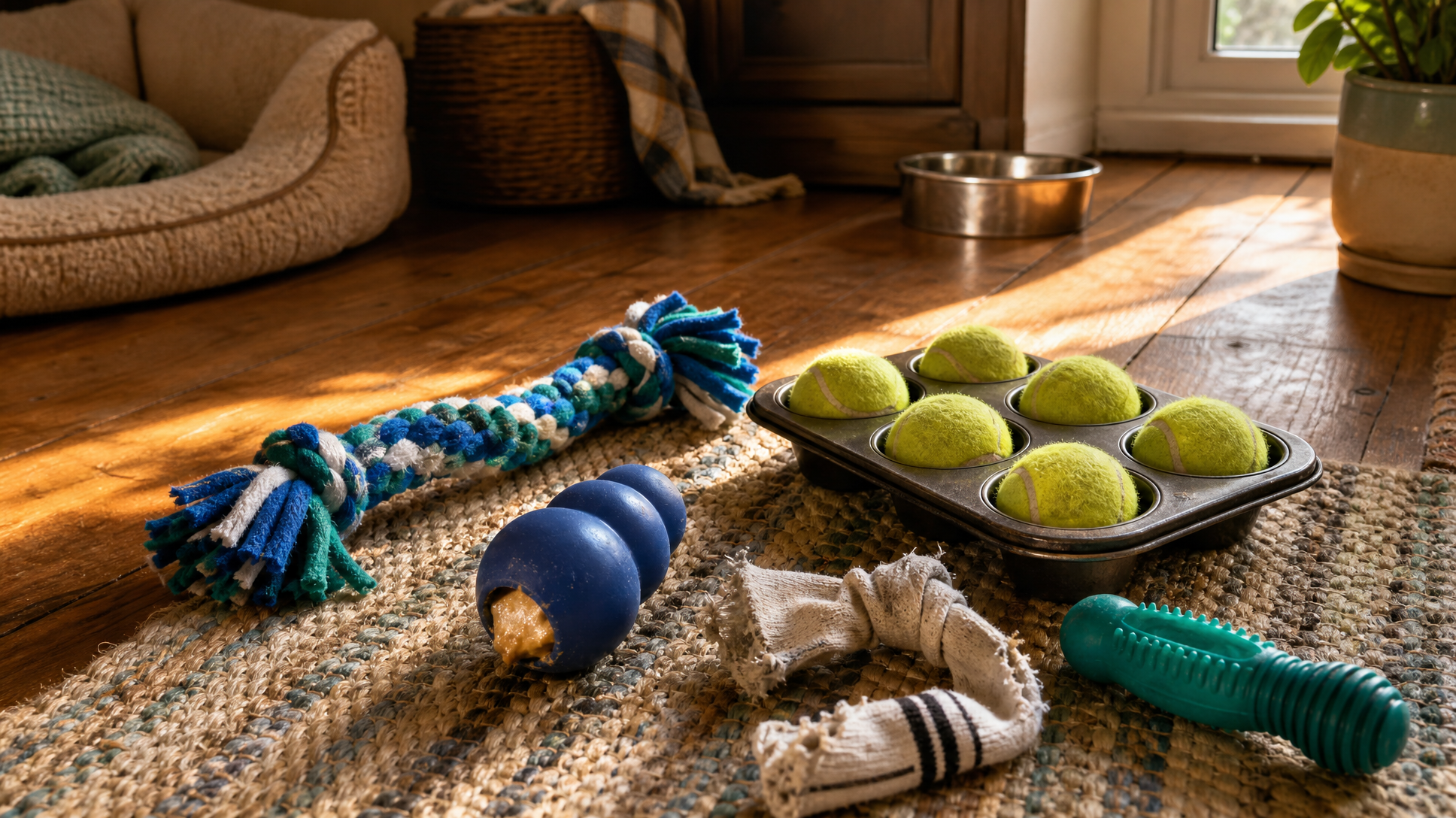
- Puzzle toys: Encourage problem-solving to retrieve hidden treats.
- Interactive toys: Tug toys that facilitate bonding and keep your dog engaged mentally and physically.
- Treat-dispensing toys: Examples like the Beco Treat Bone reward persistence and focus.
Regular variety keeps your dog interested and supports instinctual behaviors, reduces anxiety (especially when alone), and helps burn excess energy for better behavior. Discover more about enrichment at LeafScore’s guide.
5. Dental Health Benefits of Dog Chew Toys
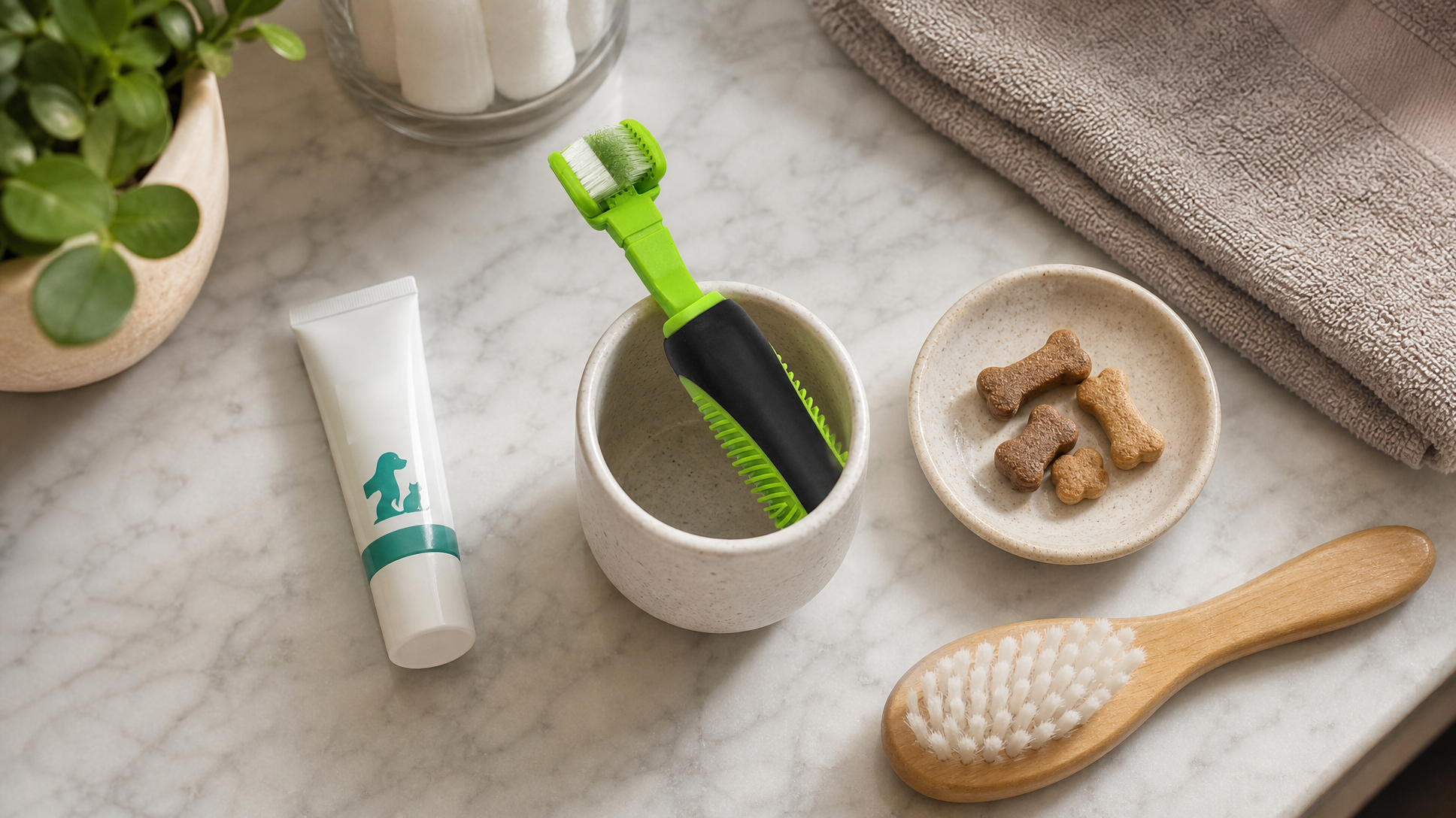
Chewing serves a natural, vital role in promoting dental hygiene by scraping plaque and stimulating gums, supporting overall oral health.
Chew toys can:
- Reduce plaque and tartar buildup.
- Increase blood flow in the gums.
- Satisfy natural urges, reducing stress and boredom.
While chew toys complement brushing, they do not replace it. Top dental toys feature textured rubber designs, such as the Chuckit! Max Glow Ultra Fetch Stick, which adds excitement with glow-in-the-dark fun. Natural fiber toys made from hemp or wool offer gentle alternatives for indoor chewing. For safe dental options, visit this dental chew guide.
6. Plush Dog Toys: When Soft is Best — And When to Avoid Them
Plush toys offer comfort and gentle play, especially valuable for puppies and senior dogs, but are not suitable for all dogs.
Ideal for:
- Dogs who like to carry or cuddle their toys.
- Gentle to moderate chewers who don’t rip toys apart.
- Teething puppies or older dogs needing softer play experiences.
Avoid plush toys if:
- Your dog is a heavy chewer prone to swallowing stuffing.
- There is a history of ingesting toy materials.
Brands like Zoobilee and Tuffy create reinforced plush toys made from layered non-toxic materials to balance softness with durability for calm players.
7. Choosing Toys for Puppies and Senior Dogs
Tailoring toy selections to your dog’s life stage ensures they are safe and appropriately stimulating throughout their lifetime.
What Puppies Need
- Soft, flexible toys that protect growing teeth and sensitive gums.
- Teething aids such as the JW Puppy Teeth-ee Set.
- Toys that build positive chewing habits and deter destructive behavior.
- Active supervision to prevent choking or ingestion risks.
What Senior Dogs Prefer
- Toys designed for low-impact play that are gentle on aging jaws.
- Enrichment toys encouraging mental exercise without physical strain.
- Soft or plush toys catering to weakening chewing ability.
More age-appropriate toy tips are available at this guide.
8. Maintaining and Rotating Dog Toys for Longevity and Interest
Even the sturdiest toy will wear down. Regular care extends toy life and keeps play safe.
Best practices for toy care include:
- Weekly inspections for damage; discard toys with tears, cracks, or loose parts.
- Clean rubber, silicone, and nylon toys with warm soapy water or dishwasher-safe methods.
- Wash fabric toys on gentle cycles and air dry fully before reuse.
- Rotate toys every few days to maintain novelty and prevent fixation on a single item.
Brands like West Paw specialize in durable, easy-to-clean toys designed for long-lasting fun.
9. Avoiding Common Puppy Parent Mistakes When Buying Toys
New pet owners often face challenges selecting dog toys. Avoiding these common errors protects your dog and saves resources.
Common mistakes and how to avoid them:
- Buying cheap, unverified toys that may contain harmful chemicals.
- Ignoring your dog’s chewing habits and size when selecting toys.
- Choosing toys that are too small or prone to easy destruction.
- Leaving fragile toys unattended with puppies or senior dogs.
- Failing to regularly inspect and clean toys.
Being observant and proactive in toy selection and maintenance helps your dog become a safe, confident chewer. Visit the full safety guide for more insights.
10. Budget-Friendly Dog Toys That Don’t Compromise on Safety
Safe, stimulating dog toys don’t have to be expensive. With informed choices, you can stay on budget without risking quality or safety.
Tips for affordable, safe toys:
- Look for brands using natural rubber or BPA-free nylon.
- Explore eco-conscious options like BetterBone or the Rough and Tough Recycled Koala toy.
- Natural rope or cotton toys make cost-effective options for gentle chewers.
- Buying multipacks and rotating toys helps extend individual toy lifespans.
Many affordable brands also support charitable or environmental causes, letting you feel good about your purchase.
11. Corporate Responsibility and Eco-Friendly Toy Choices
Ethical, sustainable production practices matter to pet parents and the planet alike. Supporting brands with green initiatives aligns your purchasing with your values.
Look for these eco-friendly attributes:
- Use of recycled materials, such as plastic bottles repurposed in the Rough and Tough Recycled Koala Dog Toy.
- Transparent, domestic manufacturing like West Paw’s Montana facility.
- Partnerships with fair-trade cooperatives empowering communities.
- Carbon-neutral or zero-waste production processes.
- Packaging made from recycled or plastic-free materials.
- Contributions to animal welfare organizations.
Choosing toys from responsible brands supports a healthier world while providing fun for your pet. Explore curated eco-friendly toy brands here.
Conclusion: The Best Dog Toys Are Safe, Tailored, and Enriching
The ideal dog toy combines safety, durability, affordability, and enjoyment, perfectly matched to your dog’s size, age, and chewing habits. From playful puppies to calm seniors and from cuddlers to power chewers, there’s a smart option for every dog.
By choosing non-toxic materials, life-stage appropriate designs, and mentally stimulating features, you create the foundation for happy, healthy play. Regular maintenance and rotation keep toys fresh and safe, while supporting brands aligned with your values adds an extra layer of confidence.
Looking for trusted toys curated for every breed and budget? Discover your next perfect playmate at Petocart—where safety meets tail-wagging fun for your four-legged family member.
FAQ
What materials are safest for dog toys?
Safe dog toys typically use natural rubber, organic cotton, hemp, wool, or specialized non-toxic polymers like West Paw’s Zogoflex®. Avoid toys made with low-quality plastics, petroleum-based products, or hard nylon that can splinter.
How do I know what size toy is right for my dog?
Consider your dog’s breed size and chewing strength. Smaller dogs need smaller, softer toys, while large breeds with strong jaws require bigger, tough toys. Brand size charts and chewing style guides help ensure safety.
Do chew toys replace brushing my dog’s teeth?
Chew toys complement but do not replace regular tooth brushing. They help reduce plaque and stimulate gums but should be part of a comprehensive dental care routine advised by your vet.
Are plush toys safe for heavy chewers?
Plush toys are generally not safe for heavy chewers, as they can be quickly destroyed and stuffing may be ingested. Reinforced plush designed for moderate chewers can be a better option for gentler players.
How often should I replace or rotate my dog’s toys?
Inspect toys weekly and replace any with damage. Rotating toys every few days maintains your dog’s interest and reduces fixation, supporting healthier and longer-lasting play.