Cart
0

Keep your pets warm, healthy, and safe this winter with essential care tips tailored for dogs, cats, and small mammals. From protective clothing to indoor activities, this guide ensures your furry friends thrive through the cold months.
Winter Pet Care Tips: How to Keep Your Pets Warm, Healthy, and Safe
Key Takeaways
- Dress pets in water-resistant, well-fitted outerwear to retain warmth and protect from snow and rain.
- Protect paws from ice, salt, and chemicals using booties or barrier balms, and keep paw fur trimmed.
- Encourage indoor exercise with interactive games and toys to prevent winter boredom.
- Modify exercise routines for older or at-risk pets and consider joint supplements as advised by vets.
- Maintain proper hydration and adjust nutrition to meet winter energy demands.
- Create warm, draft-free resting spaces with raised beds and cozy bedding.
- Practice gentle grooming to preserve coat oils and prevent skin issues.
- Avoid winter hazards like antifreeze, unsafe ice, and toxic de-icers by being vigilant.
- Monitor for winter health warning signs and prepare emergency supplies for severe weather.
Table of Contents
- 1. Protection Against Cold Weather
- 2. Paw Care: Protecting Your Pet’s Feet
- 3. Indoor Activities to Keep Pets Active
- 4. Modified Exercise for Older and At-Risk Pets
- 5. Hydration and Nutrition for Winter Wellness
- 6. Creating a Cozy Living Environment
- 7. Winter Grooming and Skin Care
- 8. Avoiding Cold-Weather Hazards
- 9. Stay Proactive with Health Monitoring
- FAQ
1. Protection Against Cold Weather
Just like humans, pets experience the chill of winter, and certain groups—such as short-haired breeds, puppies, seniors, and small animals—are especially vulnerable. Ensuring proper warmth and shelter is critical to their well-being.
Dress Your Pets for the Weather
Invest in well-fitted coats or sweaters made from water-resistant or waterproof fabrics. Dog jackets with insulation and wind protection are preferred over thin sweaters. Key features to look for include:
- Freedom of movement without restriction
- Reflective strips for low-light visibility
- Leash access slots for harness clipping without removing the coat
Introduce new apparel gradually to your pet to ease adjustment. Long-haired animals might not require outerwear but benefit from a longer, thicker coat during winter.
Outdoor Shelter Essentials
If your pet spends time outside, provide a dry, insulated shelter protected from wind. It should be sized to retain body heat while allowing movement. Enhancing comfort can be done by:
- Elevating the shelter floor
- Adding straw or cedar shavings for insulation
- Covering the entrance with waterproof material
- Positioning the shelter away from strong wind exposure
"Whether on a walk or in the yard, your first line of defense is warmth—dress them appropriately and give them a safe, insulated space to escape the cold."
2. Paw Care: Protecting Your Pet’s Feet
Winter conditions can be harsh on paws, with snow, salt, ice, and chemicals causing damage from cracks to burns. Take preventive measures to keep paws healthy and comfortable.
Safe Winter Walks
- Use pet booties to protect paws from cold and irritants.
- If booties aren’t tolerated, apply paw wax or petroleum jelly as a protective barrier before walks.
- After outdoor exposure, gently clean paws to remove debris or chemicals that could be ingested.
For small pets like rabbits or guinea pigs, elevate cages and line them with warm materials such as fleece or hay to prevent cold exposure.
Trim Paw Fur
Carefully trimming hair between toes helps prevent painful ice build-up and reduces the risk of friction sores.
3. Indoor Activities to Keep Pets Active
Shorter daylight and icy conditions can lead to inactivity. Maintaining exercise indoors keeps your pet’s body and mind healthy.
Fun Ways to Exercise Indoors
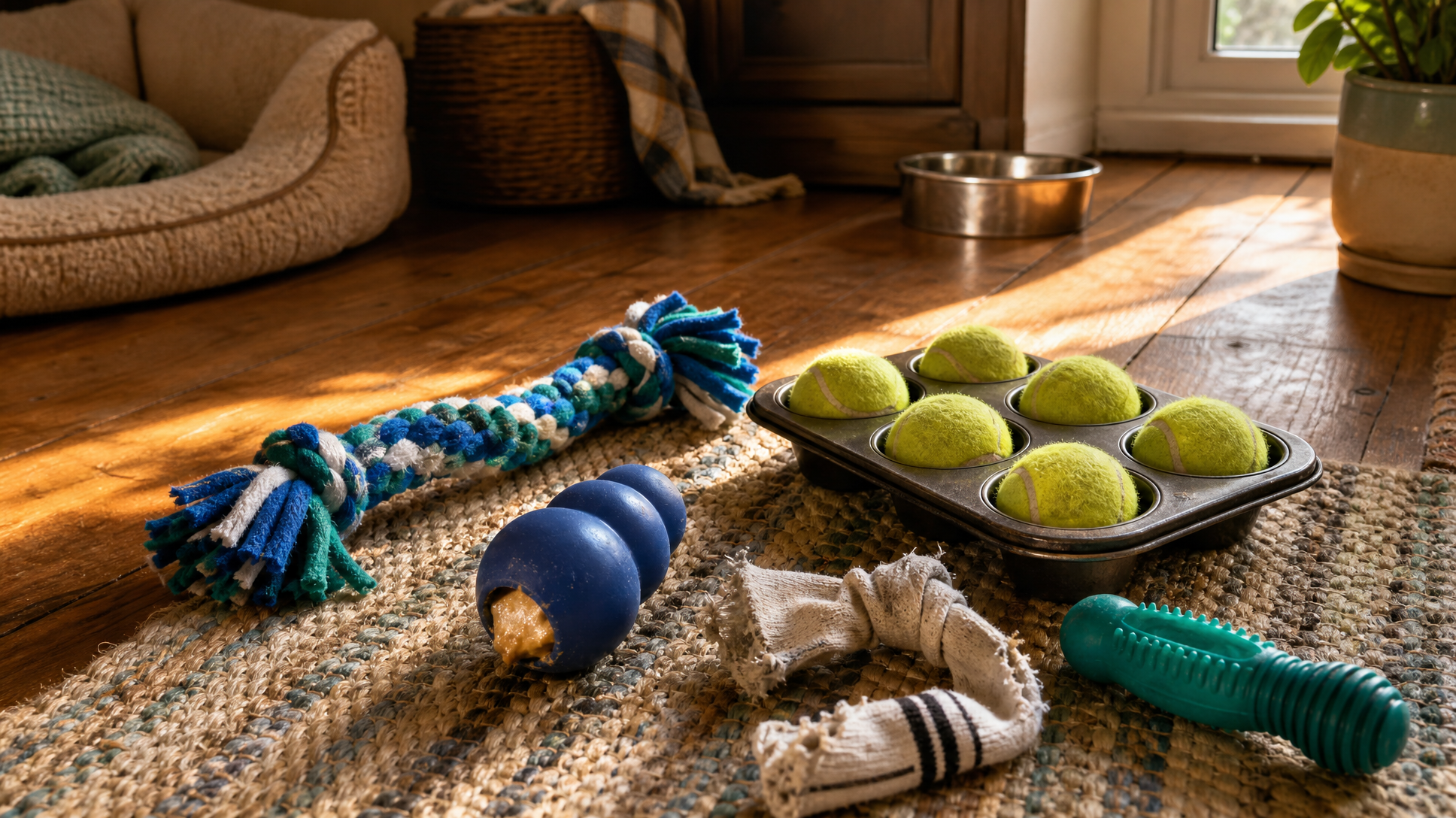
- Dogs: Hallway fetch, indoor tug-of-war, and treat-hidden puzzle toys stimulate both physical and mental activity.
- Cats: Provide perches, tunnels, and toys to mimic natural hunting and encourage movement.
- Small Mammals: Chew toys, burrowing tunnels, and textured play areas engage senses and help maintain muscle tone.
Creative indoor play prevents boredom and destructive behaviors in colder months.
4. Modified Exercise for Older and At-Risk Pets
Pets with arthritis, heart disease, or advanced age may experience worsened symptoms during cold weather. Adjusting their activity is key to comfort and safety.
Adjusted Walks
- Keep walks shorter and on dry, cleared paths to prevent slips.
- Watch for signs of pain such as limping or shaking.
- Focus vigorous exercise indoors and limit cold exposure time.
Joint supplements like LUBRIHANS with glucosamine and collagen may support mobility. Pain management medications like CARODYL and METAFLAM should be given under veterinary guidance.
Regular Health Checks
Schedule frequent vet visits in winter to adjust treatments and monitor chronic conditions effectively.
5. Hydration and Nutrition for Winter Wellness
Cold weather increases energy needs, especially for outdoor pets. Hydration supports skin, joints, and digestion.
Feeding Tips
- Outdoor pets may require up to 30% more calories to maintain body heat.
- Indoor pets with less activity still need balanced nutrition without overfeeding.
- Consult your vet before increasing protein levels to boost energy.
Staying Hydrated
- Provide constant access to clean water, using heated bowls if freezing occurs outdoors.
- Replace indoor water frequently and keep bowls away from heat sources to reduce evaporation.
6. Creating a Cozy Living Environment
Indoor chill can still affect pets. Creating warm, draft-free resting spots promotes comfort and health.
Comfort Enhancements
- Raise pet beds off cold floors and position them away from windows and doors.
- Add blankets or safe, low-heat pads—especially important for seniors and arthritic pets.
- For small mammals, provide extra nesting materials such as hay or fleece liners.
Comfortable resting areas support better sleep and reduce stress and hypothermia risk.
7. Winter Grooming and Skin Care
Dry indoor air combined with cold outdoor elements can aggravate skin and coat health.
Grooming Guidelines
- Avoid shaving pets in winter; fur is crucial for insulation.
- Trim only around snow-collecting areas like the belly and hindquarters.
- Reduce bathing frequency and use moisturizing shampoos to protect natural oils.
- After outdoor activity, dry pets thoroughly, focusing on paws and between toes to prevent irritation.
8. Avoiding Cold-Weather Hazards
Winter introduces unique dangers — staying informed and cautious keeps your pet safe.
Toxin Awareness
- Antifreeze is lethal even in small doses; store securely and clean spills immediately.
- Use pet-safe sidewalk salts and de-icers to minimize chemical risks.
Ice Safety
- Keep pets off frozen bodies of water to avoid break-through accidents.
- Supervise all outdoor time, since snow may conceal sharp objects or holes.
- Leash pets in unfamiliar or icy areas where scents and landmarks are obscured.
Preventing Lost Pets
- Snow can disrupt pets’ navigation; microchipping and updated ID tags are essential.
- Avoid off-leash outings in unfamiliar snowy terrain.
9. Stay Proactive with Health Monitoring
Winter can exacerbate health issues. Early detection and preparedness are vital.
Warning Signs to Watch
- Shivering, lethargy, or limping may indicate hypothermia or frostbite.
- Changes in appetite or stiffness can signal worsening arthritis or illness.
- Check paws regularly for cracks, sores, or debris.
Be Winter-Ready
- Prepare an emergency kit with at least five days’ worth of food, water, and medications.
- Have a plan for power outages or extreme weather events.
- Schedule a pre-winter veterinary checkup to tailor care plans for the season.
- Celebrate the season with savings — get 5% off your order using code EXCLUSIVE5 at checkout
For all your winter pet needs, explore essential gear and supplements at Petocart Winter Pet Accessories.
FAQ
- How can I tell if my pet is too cold?
- Watch for shivering, reluctance to move, whining, cold ears or paws, and seeking warmth constantly. Prolonged exposure may lead to lethargy or limping, which require immediate attention.
- Are pet booties necessary for all dogs in winter?
- Not for all dogs. Booties are most important for sensitive paws, short-haired breeds, or when walking on salted or icy surfaces. Some dogs may tolerate balms or waxes as paw protection instead.
- What indoor activities are best to keep my cat active during winter?
- Interactive toys like feather wands, laser pointers, puzzle feeders, perching spots, and play tunnels simulate hunting and encourage exercise. Rotating toys keeps interest high.
- How often should I bathe my pet in winter?
- Reduce bathing frequency to preserve natural oils. Use moisturizing shampoos and ensure pets are dried thoroughly afterward to prevent skin dryness and irritation.
- Can I use regular salt for my pets’ outdoor paths?
- No, regular salt and many de-icers are harmful to pets. Opt for pet-safe products specifically designed to reduce toxicity risks.