Cart
0
Most dog ear infections don't announce themselves loudly. They start quietly — a little more head-shaking than usual, a dog that keeps pawing at one side of its face — and it's easy to chalk it up to a bad itch or a bit of dirt. By the time the smell hits you, the infection has usually been brewing for a while.
Catching it early makes a real difference. A mild ear infection treated promptly stays a mild ear infection. Left alone, it can work deeper into the ear canal and become genuinely painful — and a lot more expensive to treat. Here's what to look for, and what each sign typically means.
1. Frequent Head Shaking
Every dog shakes its head occasionally. But if yours is doing it repeatedly — multiple times in a row, or every few minutes — something is bothering the inside of the ear. Dogs shake their heads to try to dislodge whatever's irritating them, whether that's debris, moisture, or the inflammation from an early infection.
One or two shakes after a bath? Normal. Persistent, vigorous shaking over a day or two? That's worth a closer look. Check the ear flap and the visible part of the canal for any of the other signs below.
2. A Smell That Doesn't Belong
Healthy dog ears have almost no odor. If you lean in close and catch a yeasty, musty, or outright foul smell, that's one of the most reliable early indicators of an infection. Yeast overgrowth tends to produce a sweet-sour smell; bacterial infections often smell more pungent.
You shouldn't need to bury your nose in your dog's ear to notice this — if the smell is reaching you from a normal distance, the infection is already progressing. This is the sign that most clearly says: call the vet soon.
3. Discharge or Unusual Buildup
A small amount of light-brown earwax is normal in most dogs. What you're watching for is anything that looks different — dark brown or black crumbly material (often a sign of ear mites or yeast), yellowish or greenish discharge (bacterial infection), or an unusually waxy buildup that's spreading toward the ear flap.
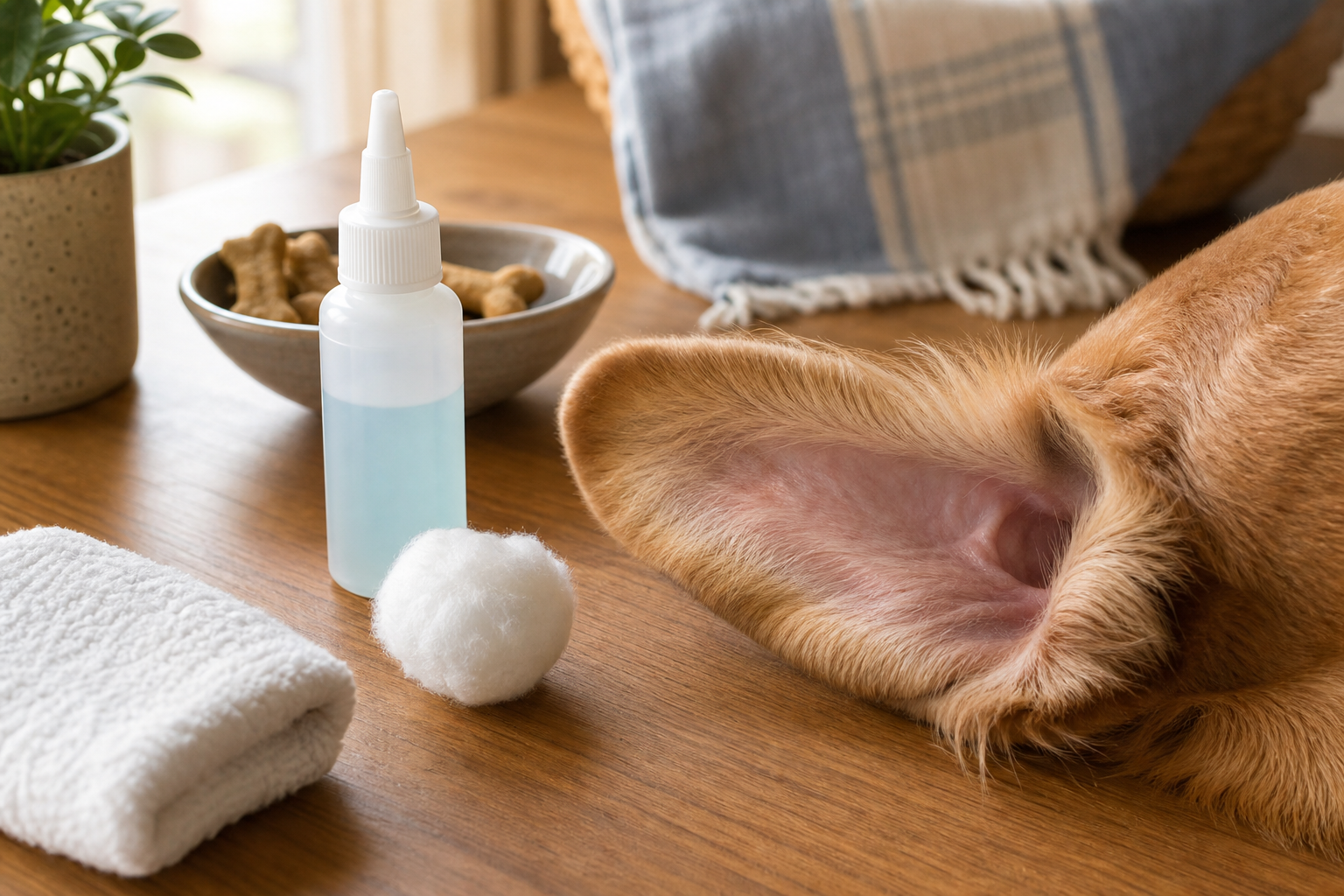
Don't try to clean deep into the canal with a cotton swab. You risk pushing debris further in or damaging the delicate tissue. Wiping the visible, outer part of the ear with a vet-recommended ear cleaner and a cotton ball is as far as you should go at home.
4. Scratching, Rubbing, and Pawing at the Ear
When a dog's ear is infected, it itches and hurts — often at the same time. You'll see them scratching at the ear with a back paw, or rubbing the side of their head along the carpet or furniture. Some dogs paw at the ear almost constantly.
Watch which ear they favor. Infections are frequently one-sided, at least early on, and a dog that consistently targets the same ear is giving you a clear signal. Scratching hard enough can also cause small cuts or a hematoma (a blood blister on the ear flap) — another reason not to let it go too long.
5. Behavioral Changes — Especially Around Touch
This one gets missed the most. A dog with an ear infection often becomes sensitive about having its head touched. A normally easy-going dog might flinch, pull away, or even growl when you reach toward that side of its face. Some dogs tilt their head persistently to one side, or seem off-balance, which can indicate the infection has moved deeper.
If your dog is acting withdrawn, eating less, or seems generally uncomfortable in a way you can't explain, check the ears. Pain has a way of changing a dog's whole demeanor before the physical signs become obvious.
What You Can Do Before the Vet Visit
Home care is not a replacement for veterinary treatment — ear infections need a proper diagnosis to identify whether the cause is bacterial, fungal, or parasitic, because the treatment differs for each. But there are things you can do in the meantime.
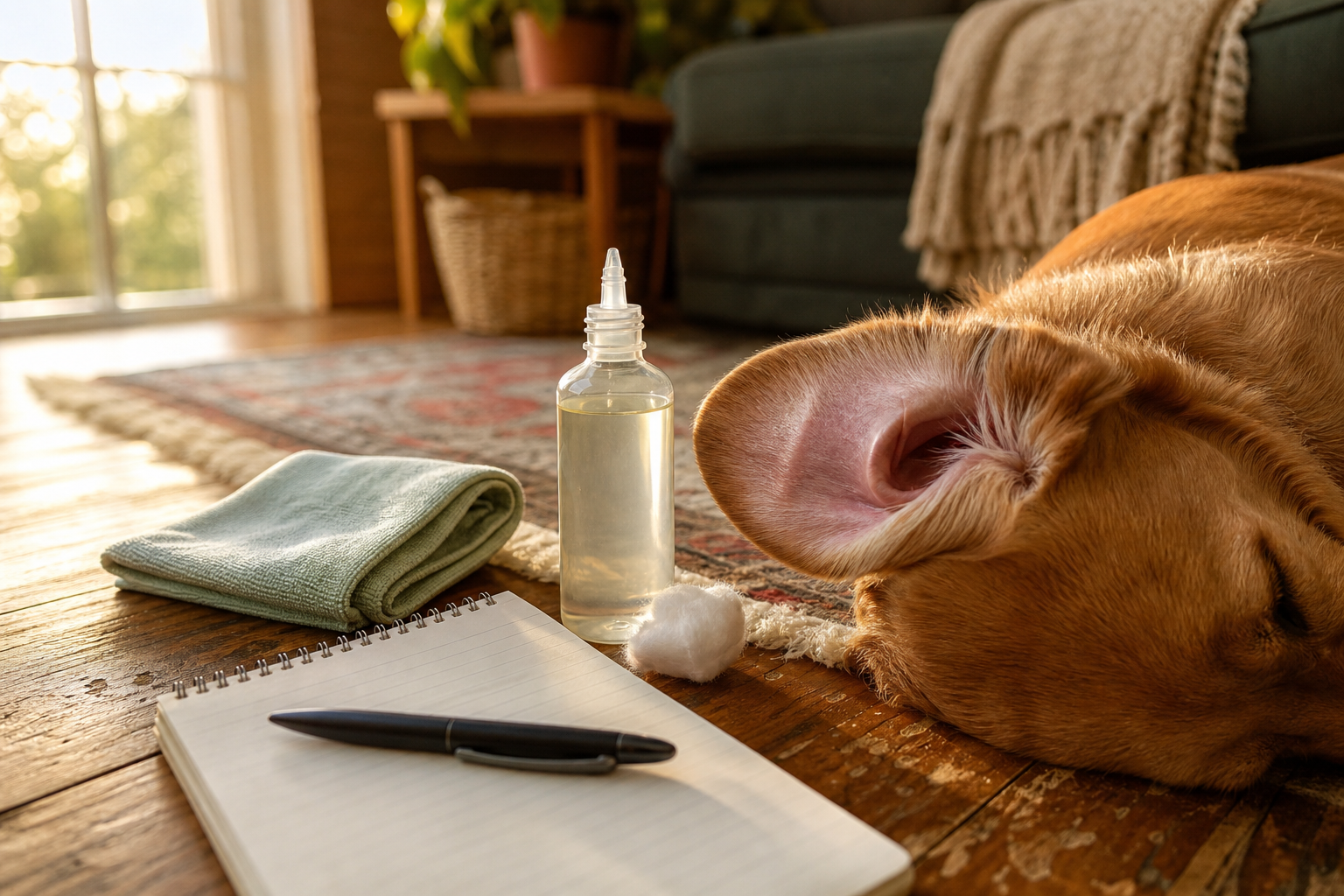
- Clean the outer ear gently. Use a vet-approved ear cleaning solution and a cotton ball to wipe away visible debris from the outer ear flap and the very top of the canal. Never insert anything into the canal itself.
- Keep the ear dry. Moisture encourages yeast and bacteria. After baths or swims, dry your dog's ears thoroughly with a soft cloth.
- Note the symptoms. Write down when you first noticed each sign, which ear is affected, and any recent changes (new food, swimming, grooming). Your vet will ask, and having this ready speeds up diagnosis.
- Skip the home remedies. Vinegar, hydrogen peroxide, and essential oils are commonly suggested online but can irritate an already-inflamed ear canal. Stick to products made specifically for dogs.
If you're seeing a combination of two or more signs from this list — especially odor plus discharge, or behavioral changes plus head tilting — book the vet appointment rather than waiting to see if it clears up. It won't.
Prevention Is Easier Than Treatment
Some dogs are just more prone to ear infections than others. Floppy-eared breeds like Cocker Spaniels, Basset Hounds, and Labrador Retrievers trap more moisture and debris. Dogs with allergies are also frequent repeat sufferers, since inflammation in the ear canal creates a perfect environment for yeast and bacteria.
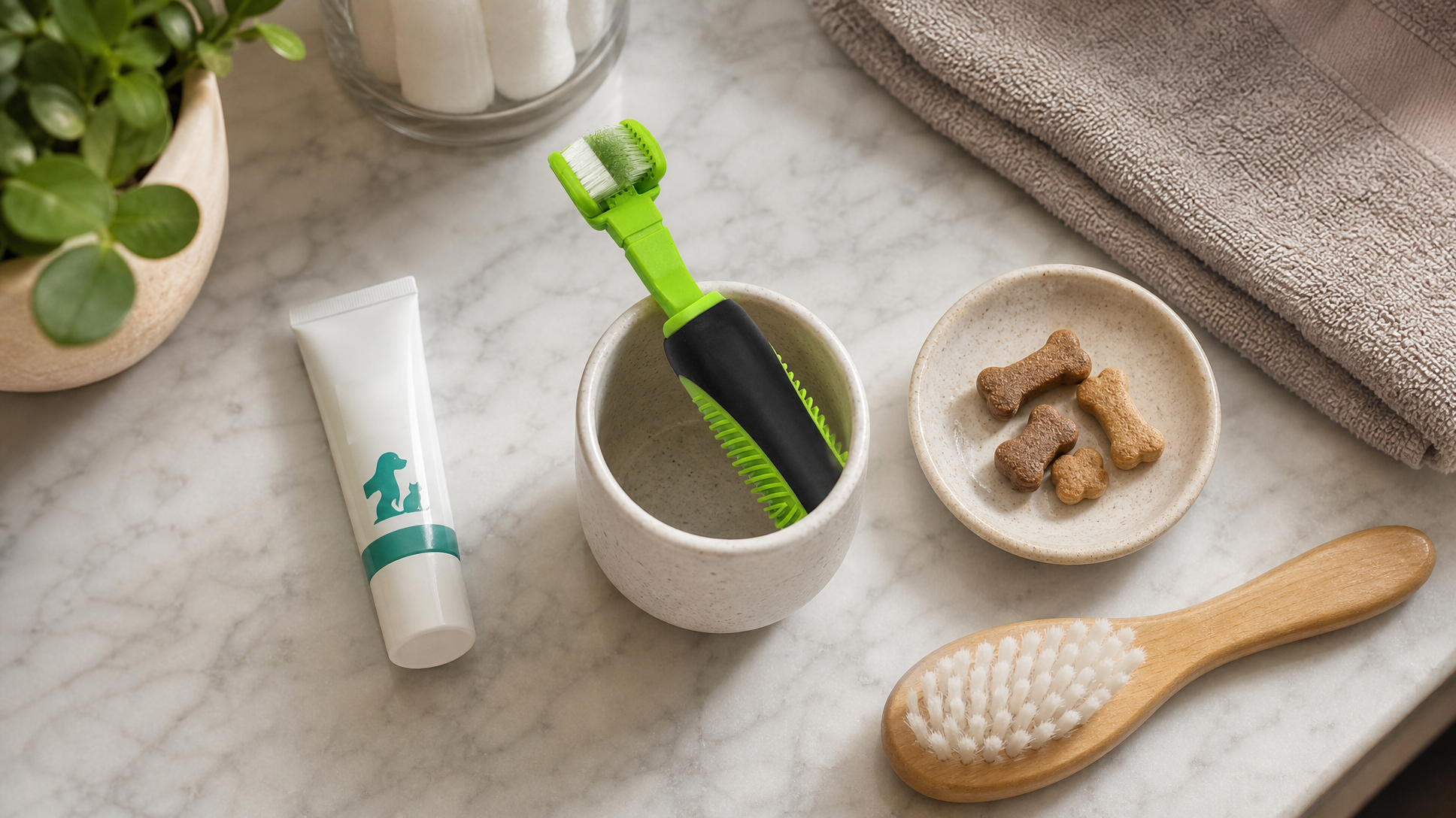
Regular, gentle ear cleaning as part of your grooming routine — not daily, but consistently — is the single most effective thing you can do to reduce the frequency of infections. Keeping the ear flap dry, checking after every swim or bath, and trimming excess hair around the ear opening (for breeds that need it) all help.
Good grooming habits and the right products make a real difference over time. Browse Petocart's dog health and grooming essentials to stock up on ear care and hygiene products that keep your pup comfortable between vet visits — because the best ear infection is the one that never starts.
Frequently Asked Questions
Can a dog ear infection go away on its own?
Mild irritation sometimes resolves with better ear hygiene, but a true infection — caused by bacteria, yeast, or ear mites — almost never clears up without treatment. Leaving it untreated usually means it gets worse, spreads deeper, and becomes more painful. If you're seeing two or more of the signs above, a vet visit is the right call.
How often should I clean my dog's ears to prevent infections?
For most dogs, a gentle cleaning every two to four weeks is enough. Dogs that swim frequently, have floppy ears, or have a history of ear infections may benefit from more regular checks. Always use a cleaner formulated for dogs and avoid inserting anything into the ear canal.
What's the difference between a yeast infection and a bacterial ear infection in dogs?
Yeast infections typically produce a sweet or musty odor and dark, waxy discharge. Bacterial infections often smell more pungent and may produce yellow or greenish discharge. The distinction matters because they require different treatments — your vet will usually take a swab to confirm which one it is before prescribing medication.
Is head tilting always a sign of an ear infection?
Head tilting can be associated with ear infections, particularly when the infection has reached the middle or inner ear. However, persistent head tilting or loss of balance can also indicate other neurological issues. If your dog is tilting its head consistently and seems off-balance, see a vet promptly rather than waiting to see if it resolves.