Cart
0

The 'Eco-Friendly' Label Is Doing a Lot of Heavy Lifting
Walk through any pet aisle — physical or digital — and you'll see it everywhere: eco-friendly, sustainable, planet-conscious. Sometimes it means something real. Sometimes it means the packaging is green and the marketing team had a good week.
If you're shopping for a friend who genuinely cares about sustainability and also happens to love their dog, cat, or house rabbit, you deserve a clearer framework than a buzzword. This guide gives you one.
What Actually Makes a Pet Product More Eco-Friendly?
Before you can spot a good pick, it helps to know what you're actually evaluating. There are three questions worth asking about any product you're considering:
1. How long will it last?
Durability is the most underrated sustainability factor in pet products. A cheap toy that shreds in a week creates far more waste than a well-made one that survives a year of enthusiastic chewing. When a product is built to last, it doesn't need to be replaced — and that matters more than whether the packaging claims to be recycled cardboard.
For accessories like collars, leashes, and harnesses, look for full-grain or genuine leather, heavy-duty nylon, or solid metal hardware. These materials wear in rather than wearing out, and they don't end up in a landfill after three months.
2. Does it replace something single-use?
Single-use products are the low-hanging fruit of pet waste. Disposable waste bags are the obvious example — every dog owner goes through hundreds of them a year. A reusable waste bag dispenser paired with compostable or plant-based refill bags is one of the most straightforward swaps a pet parent can make. It's also one of the most practical gifts, because the recipient will actually use it every single day.
The same logic applies to food storage. Reusable treat pouches, stainless steel food containers, and refillable water bottles for walks all quietly cut down on the plastic that accumulates around pet care over time.
3. What's it actually made from?
Materials matter, but context matters more. Recycled plastic in a product that will last five years is genuinely better than virgin plastic in something that will break in a month. Natural materials like hemp, organic cotton, and sustainably sourced wood are solid choices for toys and bedding — but only if the product is also well-constructed. A hemp rope toy that unravels and becomes a choking hazard isn't serving anyone.
Be skeptical of vague claims like "natural ingredients" or "earth-friendly formula" without any specifics. The more concrete the information — actual materials listed, certifications named — the more likely the claim holds up.
The Product Categories Worth Prioritizing
Not every category offers equally clear eco-friendly options. Here's where the signal-to-noise ratio is actually good:
Waste Management
This is the easiest win. Compostable waste bags, refillable dispensers, and litter options made from recycled paper, wood, or plant fiber are widely available and genuinely reduce single-use plastic. For cat owners, switching away from clay-based litter toward plant-based alternatives is a meaningful change — clay litter is strip-mined and not biodegradable, while alternatives made from corn, wheat, or recycled paper have a lighter footprint.
Durable Accessories
A well-made collar, leash, or harness that lasts years is inherently more sustainable than a cheap one replaced seasonally. Premium leather accessories are a good example: they're durable, they age well, and they don't shed microplastics the way synthetic materials can. If your gift recipient has a large or strong dog, a heavy-duty collar built for real wear is both a practical and a planet-friendlier choice.
If you want a starting point for choosing the right collar for a bigger dog, this guide to collars for large and strong breeds covers what to look for in terms of materials and construction.
Toys
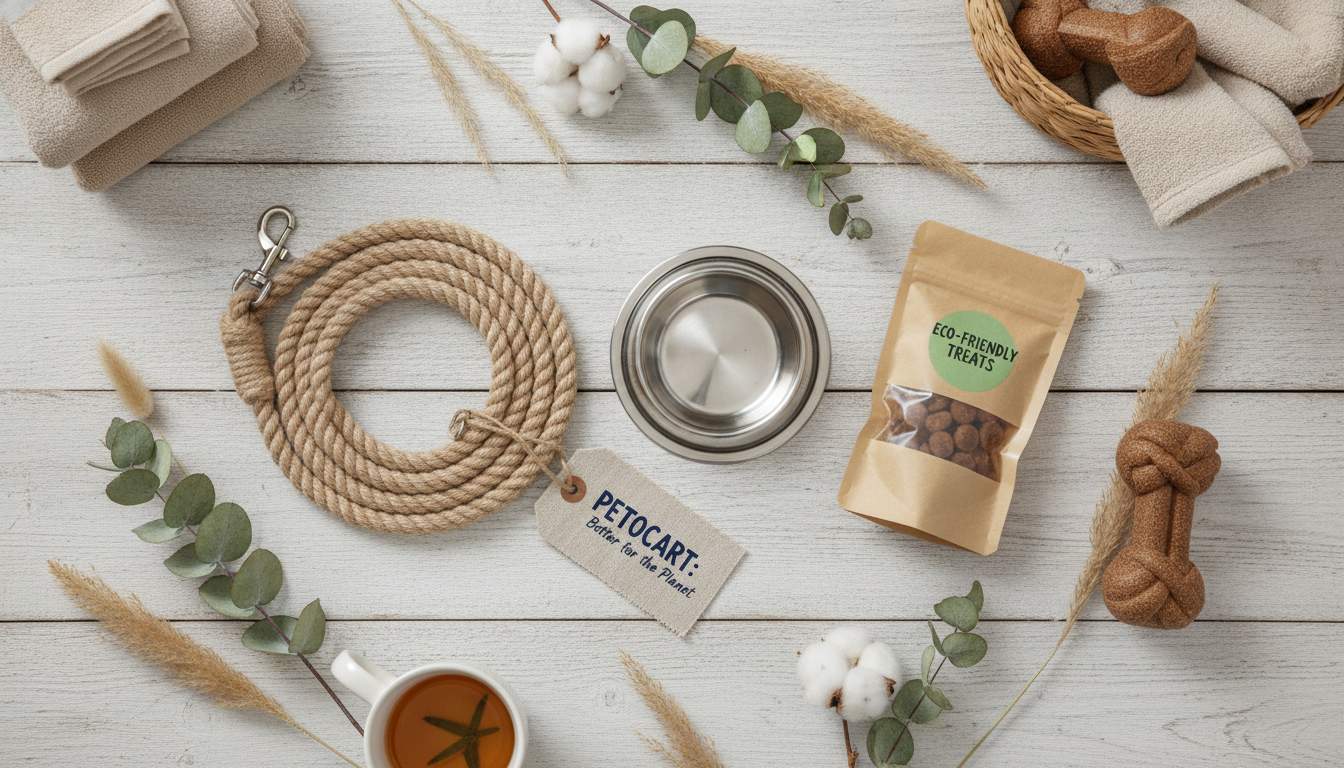
Toys are tricky because pets are hard on them. The best approach here is to look for toys made from natural rubber, untreated wood, or organic cotton — and to choose ones that are genuinely durable for the animal's size and play style. A toy that survives is a toy that doesn't become waste. Avoid toys with small parts, synthetic stuffing, or dyes that aren't confirmed safe, regardless of how they're marketed.
Food and Treats
Pet food has a significant environmental footprint, largely because of the protein sources involved. Brands that use responsibly sourced fish, insect protein, or plant-based supplements are worth paying attention to — though this is a category where your friend's pet's dietary needs should always come first. A treat made from a more sustainable protein source is a nice gift; a treat that doesn't agree with the animal is not.
The Greenwashing Red Flags to Watch For
A few specific things to be skeptical of when you're browsing:
- "Eco-friendly" with no explanation. If a product page can't tell you what material it's made from or why it's better for the environment, the label is doing all the work.
- Recyclable packaging on a non-recyclable product. The packaging being recyclable is a nice gesture, but if the product itself is disposable plastic, it's not a meaningful sustainability win.
- "Natural" as a synonym for safe or sustainable. Natural doesn't automatically mean either. Arsenic is natural. Look for specifics.
- Cheap price on a "premium sustainable" product. Genuinely durable, well-sourced products cost more to make. If the price doesn't reflect that, something in the sustainability story is probably exaggerated.
How to Shop for This Gift Without Overthinking It
You don't need to become a sustainability expert to give a thoughtful gift. A few practical shortcuts:
Start with longevity. Ask yourself: will this still be in use a year from now? If yes, you're already ahead of most pet product purchases. Then look at whether it replaces something disposable. If you can tick both boxes, you've found a genuinely good gift — even if the brand doesn't lead with environmental messaging.
For accessories, prioritize quality materials and honest construction over marketing language. A well-built collar or a sturdy stainless steel bowl from a brand that stands behind its products will outlast three cheaper versions and create a fraction of the waste. You can browse Petocart's best sellers for a curated look at what other pet parents are actually reaching for.
And if you're genuinely unsure, a gift that gives the pet parent flexibility — like a store credit or a note pointing them to a category they can explore — is always a better choice than a well-intentioned product that doesn't fit their pet's needs.
The most sustainable gift is one that actually gets used. Start there, and the rest follows.
Find thoughtful, lasting pet gifts at Petocart — free shipping on every order across the USA.
Frequently Asked Questions
How can I tell if an eco-friendly pet product claim is legitimate?
Look for specifics rather than slogans. A trustworthy product page will name the actual materials used, explain why they're a better choice, and — ideally — reference a third-party certification or standard. If the only evidence is the word "eco-friendly" in the product title, treat it with skepticism.
Are compostable pet waste bags actually compostable?
It depends on the certification and your composting setup. Many compostable bags are certified for industrial composting facilities, not home compost bins, which means they may not break down the way you'd expect if you're composting at home. Look for bags that specify whether they're suitable for home composting or industrial facilities, and check what's available in your area.
Is leather a sustainable material for pet accessories like collars and leashes?
Full-grain leather is one of the most durable materials available for pet accessories, and durability is a core part of sustainability — a collar that lasts many years creates far less waste than synthetic alternatives replaced frequently. Leather's overall environmental footprint is debated, but from a pure longevity standpoint, high-quality leather accessories are a strong choice for reducing how often accessories need replacing.
What's the most impactful eco-friendly swap for a dog owner?
Switching from single-use plastic waste bags to compostable or plant-based alternatives is one of the highest-frequency, highest-impact changes a dog owner can make — simply because it happens multiple times a day, every day. Pairing that with a refillable dispenser removes even more single-use plastic from the equation. It's also one of the most practical and affordable gifts you can give.