Cart
0
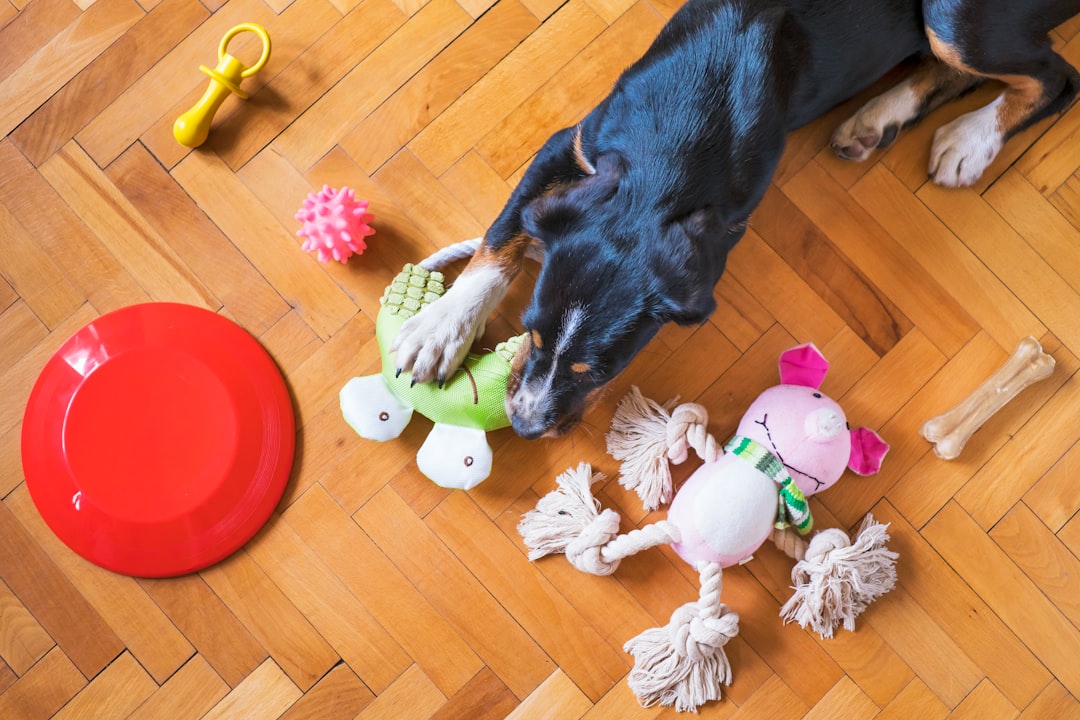
Caring for your dog’s toys and pet gear is essential to ensure their safety, health, and happiness. This comprehensive guide covers maintenance, cleaning, inspection, rotation, and timely replacement of toys and accessories to keep your furry friend safe, stimulated, and comfortable.
Complete Guide to Pet Toy Maintenance and Replacement: Keeping Your Dog Safe, Healthy, and Happy
Estimated reading time: 8 minutes
Key Takeaways
- Regularly inspect dog toys for damage to prevent choking hazards and health issues.
- Clean toys frequently with appropriate methods to maintain hygiene and longevity.
- Understand your dog's chewing behavior to choose durable, safe toys.
- Use toy rotation to sustain your dog’s interest and extend toy life.
- Replace toys and pet gear promptly based on wear, damage, or hygiene concerns.
- Properly dispose of old toys to avoid accidental ingestion or reuse.
Table of Contents
- 1. Why Toy Maintenance and Replacement Are Important for Your Dog's Safety
- 2. How to Inspect and Clean Dog Toys for Hygiene and Longevity
- 3. Understanding Your Dog’s Chewing Behavior to Select Durable Toys
- 4. The Power of Toy Rotation: Keep Your Dog Entertained and Prolong Toy Life
- 5. Replacement Guidelines: Determining When and How Often to Replace Dog Toys
- 6. Replacing Pet Gear: Bowls, Beds, Collars, and More for Overall Well-being
- 7. Summary: Pragmatic Tips for Ensuring Your Dog Remains Safe and Content
- FAQ
1. Why Toy Maintenance and Replacement Are Important for Your Dog's Safety
Dog toys face constant wear and tear through chewing, fetching, and play. Damaged toys can harbor safety risks such as choking, internal injuries, or exposure to harmful bacteria. Signs indicating that a dog toy needs replacing include:
- Visible rips or tears in fabric
- Exposed or loose stuffing
- Missing parts like squeakers or small pieces
- Sharp or rough edges on chewed plastic or rubber
- Unpleasant odors after cleaning
- Loss of functionality in interactive or puzzle toys
Dr. Jennifer Frione emphasizes “immediate discarding of soft toys with torn seams or lost squeakers” to prevent swallowing mishaps, while Dr. Albert Ahn warns of risks from ingesting worn toy fragments.
Maintaining toy safety not only protects your dog physically but also keeps them mentally engaged and happy by ensuring their playthings remain appealing and functional.
2. How to Inspect and Clean Dog Toys for Hygiene and Longevity
Inspection Routine
Set a weekly schedule to check each toy thoroughly for:
- Cracks, holes, or loose parts
- Signs of chewing damage or missing pieces
- Lingering odors hinting at bacterial growth
Discard toys that show signs of compromise to safeguard your pet’s well-being.
Cleaning Frequency and Methods
- Hard toys (rubber/plastic): Clean 2-3 times weekly with warm soapy water and rinse well to remove all residue.
- Soft/plush toys: Machine wash on gentle cycle with pet-safe detergent and air dry thoroughly.
- Avoid harsh disinfectants like bleach which may leave toxic residues.
- Increase cleaning frequency for toys heavily used outdoors or exposed to dirt.
Regular cleaning inhibits bacterial growth and prolongs toy usability.
3. Understanding Your Dog’s Chewing Behavior to Select Durable Toys
Matching toy materials and types with your dog’s chewing habits optimizes safety and satisfaction:
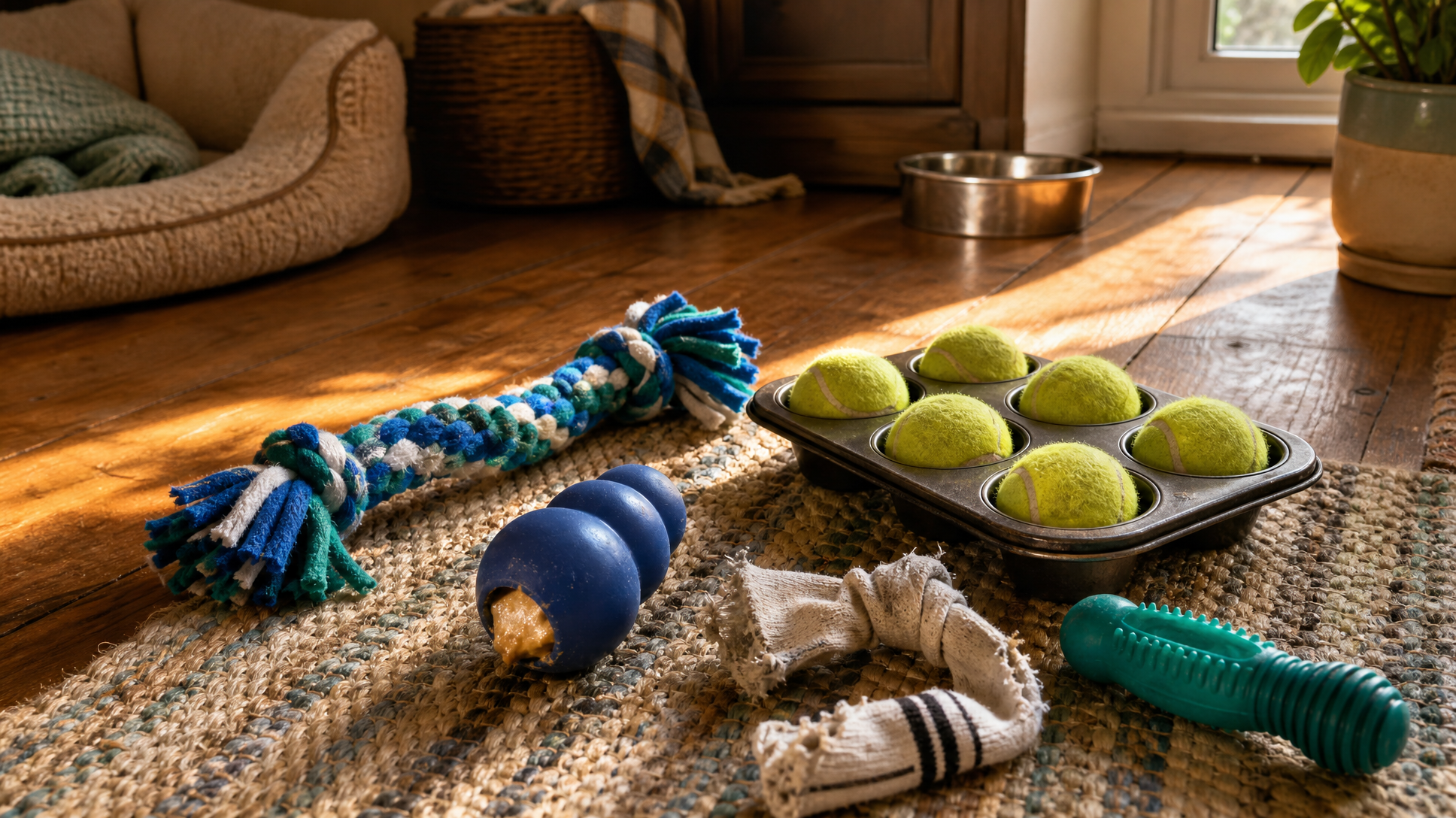
- Heavy Chewers: Need sturdy, natural rubber or reinforced rope toys (e.g., KONG) that resist breaks and prevent small fragments.
- Gentle Chewers: Can enjoy softer plush toys or interactive puzzles, which provide adequate stimulation.
- Puppies: Prefer soft, non-toxic plush toys for teething; supervise closely and replace damaged items quickly.
- Senior Dogs: Benefit from gentle toys fostering dental health and cognition like soft rubber or interactive feeders.
Avoid toys that are overly hard to prevent dental damage and those with detachable small parts to reduce choking hazards. Supervised play with new toys ensures both safety and sustained interest.
4. The Power of Toy Rotation: Keep Your Dog Entertained and Prolong Toy Life
Rotating toys by introducing fresh batches every 1-2 weeks offers several advantages:
- Reignites interest by presenting “new” toys
- Reduces wear and tear on individual items
- Makes cleaning and inspection more manageable with fewer daily toys in use
- Allows resting toys to be cleaned and checked before reuse
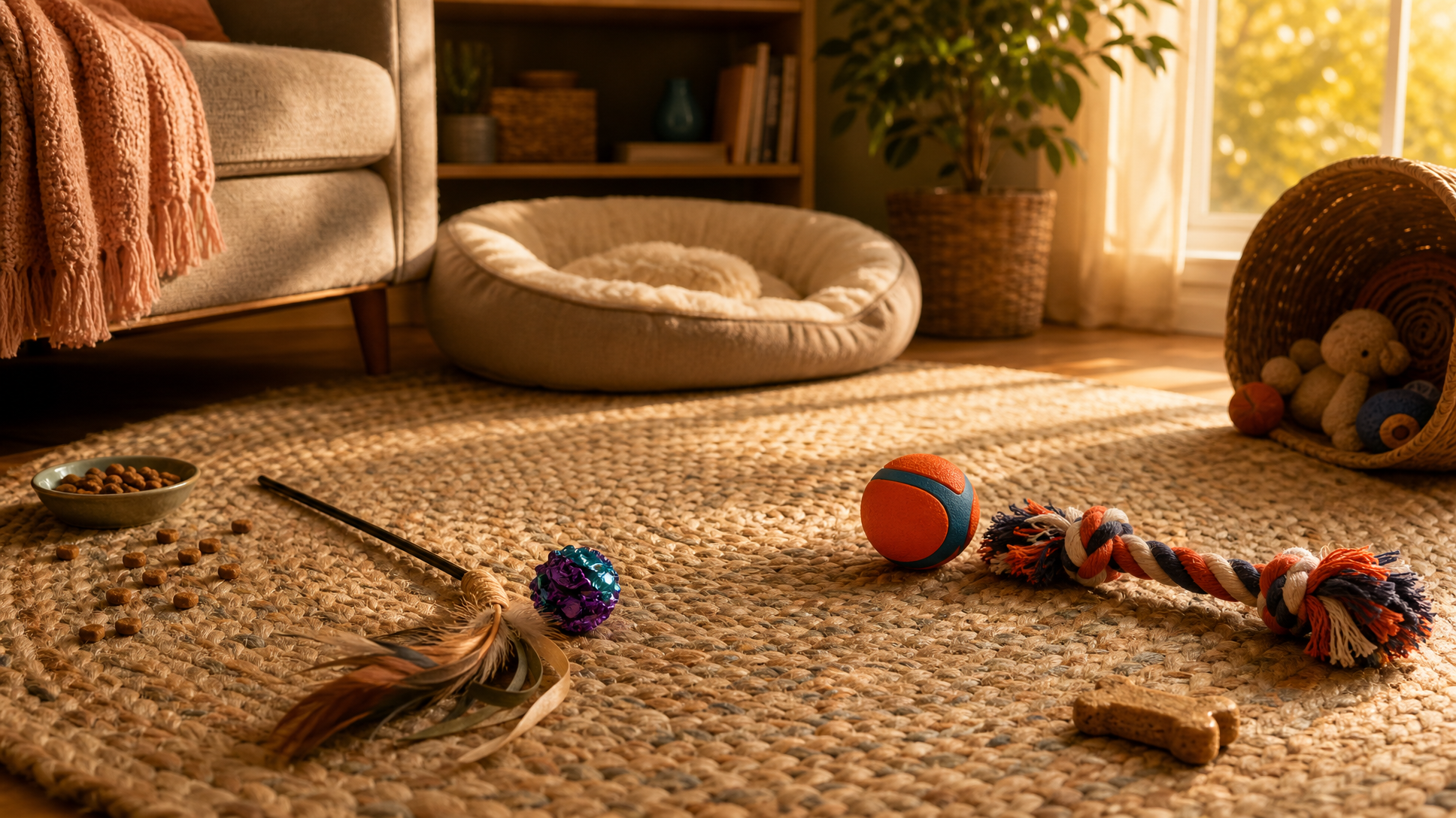
A simple rotation plan includes keeping 3-5 toys accessible while storing the rest in sealed containers out of reach.
Many pet owners have successfully extended toy lifespan from weekly to monthly replacements by adopting this strategy.
5. Replacement Guidelines: Determining When and How Often to Replace Dog Toys
Expected Replacement Intervals
- Heavy Chewers: Often require weekly to monthly replacements.
- Moderate Chewers: Typically replace toys every 2-3 months.
- Light Chewers: May enjoy toys for several months up to a year.
Toy-Type Specific Advice
- Chew Toys: Inspect weekly for cracks and missing pieces; replace immediately if damaged.
- Plush Toys: Replace once seams rip or stuffing and squeakers become visible or lost.
- Interactive/Puzzle Toys: Ensure functionality is intact; discard broken or malfunctioning items promptly.
Proper Toy Disposal
Destroy irreparable toys before disposal to prevent accidental ingestion or reuse by pets. Follow local guidelines for environmentally responsible disposal or recycling.
6. Replacing Pet Gear: Bowls, Beds, Collars, and More for Overall Well-being
Beyond toys, your dog’s bowls, beds, collars, and grooming tools also require regular maintenance and replacement:
- Food and Water Bowls: Clean daily with warm soapy water; choose stainless steel or ceramic for hygiene; replace every 6-12 months or sooner if cracked or stained.
- Dog Beds: Wash weekly; replace every 1-2 years or when odors, fabric erosion, or stuffing loss occur; premium beds like the Darcy Wicker Dog Bed combine style and easy upkeep.
- Collars and Harnesses: Inspect monthly for frays or hardware damage; replace annually or earlier if wear is detected to prevent escapes or injuries.
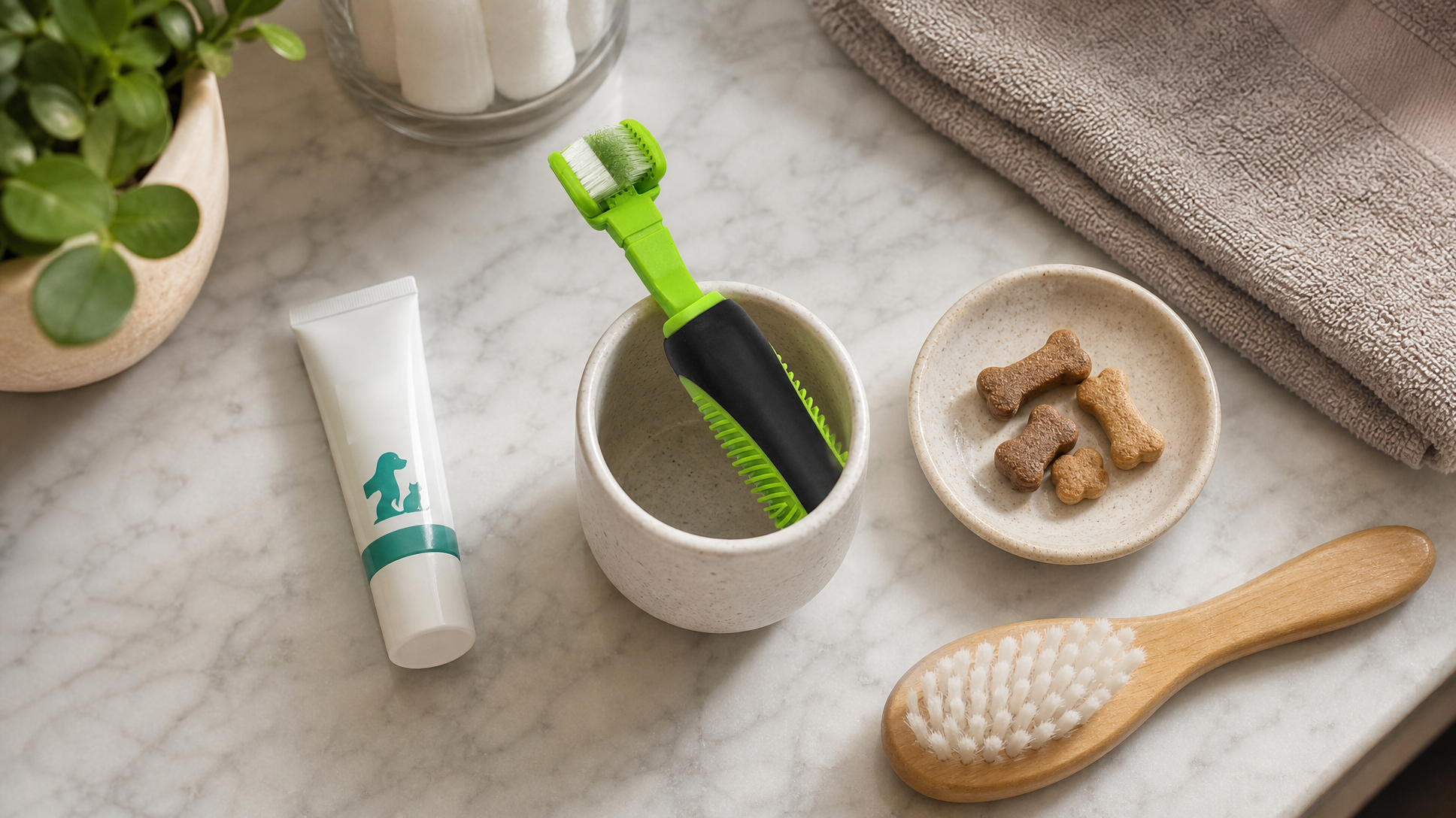
- Grooming Tools: Clean brushes regularly; replace every 6-12 months to maintain hygiene and effectiveness.
Proper maintenance of all pet accessories supports your dog's comfort, health, and happiness.
7. Summary: Pragmatic Tips for Ensuring Your Dog Remains Safe and Content Through Toy Maintenance
- Perform weekly inspections for damage, loose parts, or odors.
- Clean toys regularly, ideally 2-3 times weekly for frequently used items.
- Incorporate toy rotation to sustain novelty and extend toy life.
- Replace toys promptly if damaged or posing safety hazards.
- Select toys based on your dog’s chewing habits, age, and play style.
- Dispose of old toys by rendering them unusable to prevent accidental reuse.
- Maintain other pet gear like bowls, beds, and collars to ensure hygiene and comfort.
By adopting these straightforward practices, you enhance your dog's safety, mental and oral health, and overall joy during playtime.
Explore quality, reliable products tailored to your dog's unique needs through trusted sources like Petco and Bark Blog.
FAQ
- How often should I clean my dog’s toys?
- Hard toys should be cleaned 2-3 times per week, while soft or plush toys can be machine washed weekly or as needed. Toys used outdoors or heavily soiled may require more frequent cleaning.
- What should I do if my dog swallows a piece of a damaged toy?
- If you suspect your dog has swallowed a toy fragment, contact your veterinarian immediately as this can cause choking or gastrointestinal blockages.
- How do I choose toys suitable for a heavy chewer?
- Opt for toys made from reinforced natural rubber or durable rope designed to withstand aggressive chewing. Brands like KONG specialize in such toys.
- Why is toy rotation important?
- Toy rotation keeps your dog mentally stimulated by making toys seem fresh and new, reduces wear on individual toys, and simplifies cleaning and inspection.
- When should I replace my dog’s collar?
- Inspect collars monthly and replace them annually or immediately if you notice fraying, broken hardware, or significant wear to prevent escapes or injuries.