Cart
0

The Ultimate New Puppy Checklist: Essentials for Your Best Friend
Bringing a new puppy home is a thrilling and heartwarming experience. Proper preparation is essential to ensure a smooth transition, healthy growth, and a happy life together with your new furry friend.
Estimated Reading Time: 7 minutes
Key Takeaways
- Prepare essential supplies ahead of time to support your puppy’s health and comfort.
- Maintain a consistent nutrition and feeding schedule for balanced growth.
- Early veterinary care and vaccinations are critical from day one.
- Create a safe, puppy-proof environment to prevent accidents.
- Begin basic behavioral training and socialization early to foster a confident and well-mannered dog.
- Identification methods like collars, ID tags, and microchips increase the likelihood of a safe return if lost.
- Choose a trusted local veterinary team like Levittown Animal Hospital for ongoing care and support.
Table of Contents
- 1. Essential Puppy Supplies: What You Need to Get Started
- 2. Nutrition & Feeding: The Foundation for Healthy Growth
- 3. Veterinary Care: Protecting Your Puppy’s Health from Day One
- 4. Creating a Safe Environment: Puppy-Proofing Your Home
- 5. Behavioral Training & Socialization: Building a Confident, Well-Behaved Puppy
- 6. Establishing a Routine: The Key to Puppy Success
- 7. Identification & Safety: Protecting Your Puppy at All Times
- 8. Why Local Veterinary Support Matters
- 9. Final Thoughts: Ready for a Lifetime of Happiness with Your Puppy
1. Essential Puppy Supplies: What You Need to Get Started
Getting all the right supplies before bringing your puppy home is key to a smooth adjustment. Be sure to have the following ready:
- Age-Appropriate High-Quality Food: Puppies require food tailored to their growth needs packed with essential nutrients.
- Food and Water Bowls: Durable, hygienic stainless steel bowls work best and are easy to clean.
- Collar and Leash with ID Tag: Ensure these fit comfortably and that the ID tag has your current contact information.
- Poop Bags: For responsible cleanup during walks to keep your community clean.
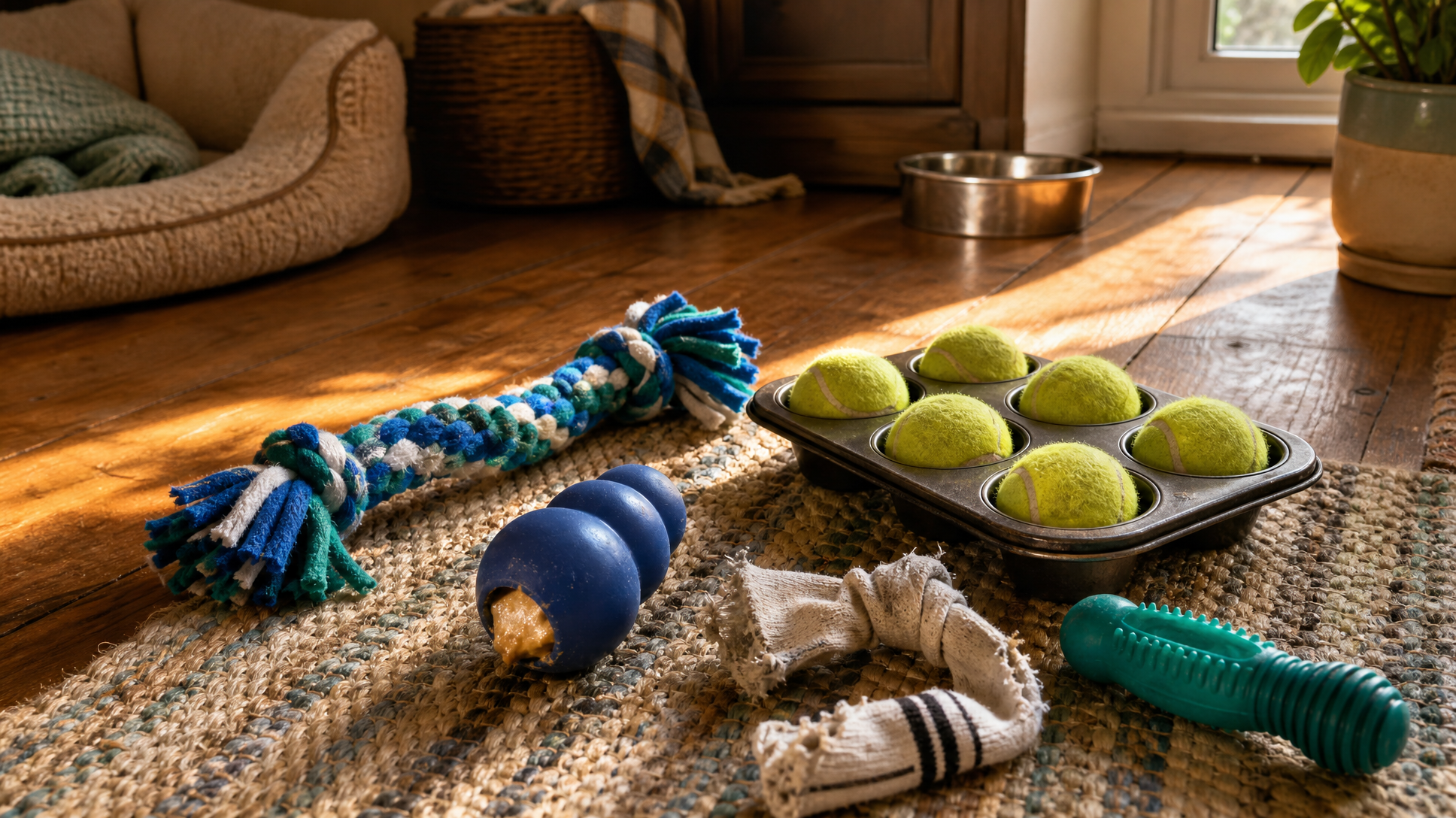
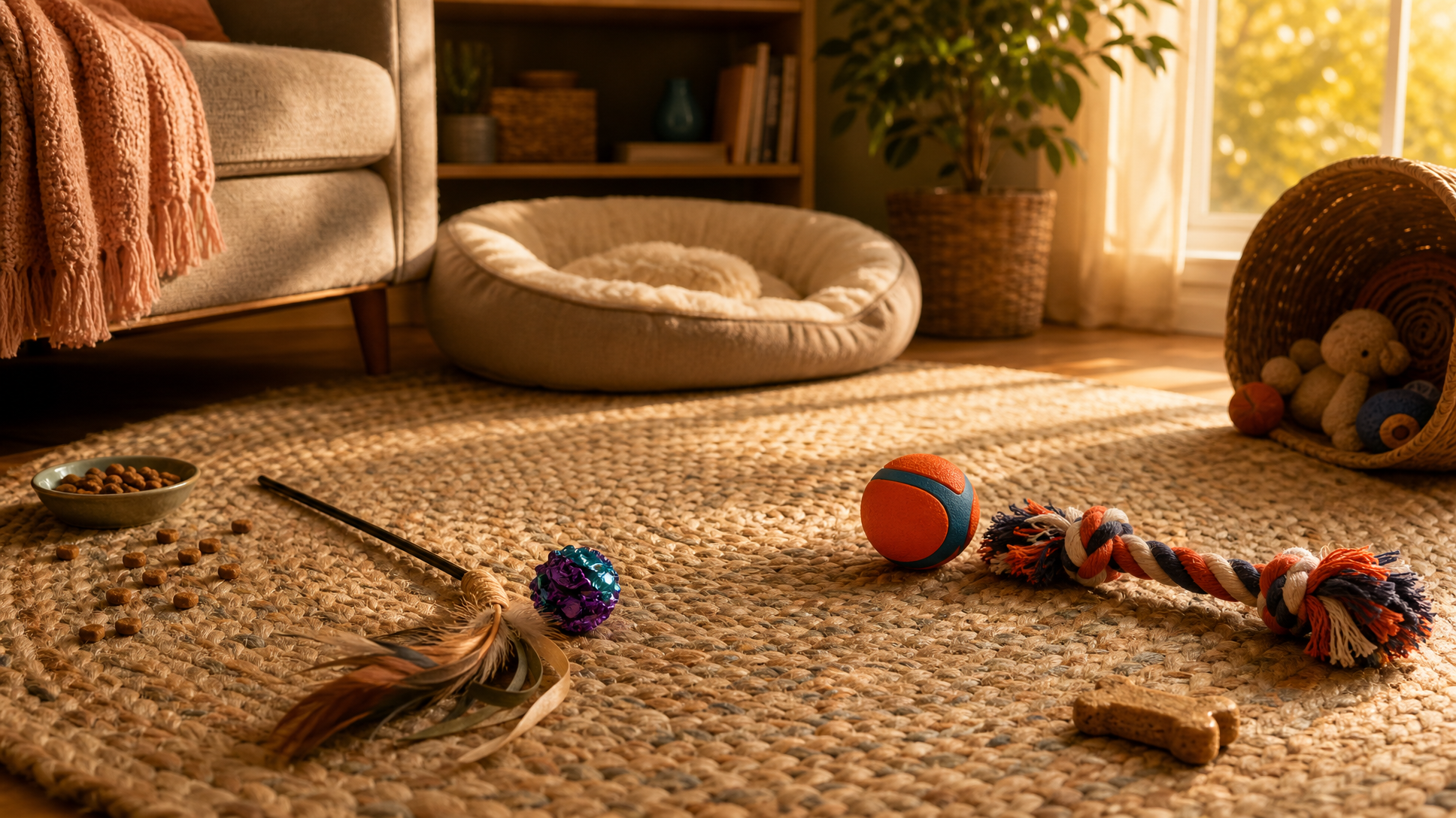
- Toys: Chew toys and puzzle toys provide mental stimulation and help with teething.
- Crate or Pen: A crate acts as a safe, secure retreat and aids in house training.
- Puppy Pads: Useful for indoor potty training especially in the early days.
- Enzyme Cleaner: Essential for effectively cleaning up accidents and neutralizing odors.
- Flea and Tick Prevention: Early prevention using products like Simparica Trio helps avoid pesky infestations.
- ID Tags and Microchip: While collars and tags help with quick identification, microchips provide permanent security.
For a convenient resource, get a printed checklist from here.
2. Nutrition & Feeding: The Foundation for Healthy Growth
Proper nutrition sets the stage for your puppy’s overall growth and wellness. Consider these feeding tips:
- Choose premium puppy food formulated to meet all essential nutritional requirements.
- Maintain a consistent feeding schedule, which supports digestion and regular bathroom habits.
- Always provide fresh water and clean the bowls daily.
For tailored guidance, consult your vet for personalized feeding advice and nutritional guidance.
3. Veterinary Care: Protecting Your Puppy’s Health from Day One
Your puppy’s health journey starts with the first veterinary visit. During this visit, the vet will:
- Perform a comprehensive physical examination.
- Recommend an appropriate vaccination schedule.
- Screen for parasites and other health conditions.
- Provide advice on parasite prevention, nutrition, and care.
For expert insights on puppy care, visit Levittown Animal Hospital’s puppy health page.
4. Creating a Safe Environment: Puppy-Proofing Your Home
A safe home environment is essential to protect your puppy from common hazards. Follow these steps:
- Secure electrical cables to prevent chewing and potential injuries.
- Remove or store toxic substances out of reach, including plants, chemicals, and certain foods.
- Designate a quiet, comfortable area where your puppy can safely rest and feel secure.
For more detailed safety ideas, visit PetMD’s New Puppy Checklist.
5. Behavioral Training & Socialization: Building a Confident, Well-Behaved Puppy
Early training shapes your puppy’s behavior and social skills. Start with the basics:
- Teach simple commands such as “sit,” “stay,” and “come.”
- Encourage positive reinforcement through treats and praise.
- Socialize your puppy with different people, animals, and environments to build confidence.
Your veterinarian offers excellent resources and guidance — see training and socialization tips here.
6. Establishing a Routine: The Key to Puppy Success
Puppies thrive on routine, which provides structure and security. Build a daily schedule including:
- Regular feeding times.
- Consistent play and exercise periods.
- Scheduled training sessions.
- Set nap and rest times.
Consistency reduces accidents and behavioral issues and fosters trust between you and your puppy.
7. Identification & Safety: Protecting Your Puppy at All Times
Proper identification ensures a quick and safe reunion if your puppy ever gets lost. Recommended methods include:
- Collar with ID Tag: Always keep updated contact info on the tag.
- Microchipping: A permanent, reliable form of identification implanted under the skin.
Combine both for best protection. For a comprehensive guide, see this puppy checklist with ID options.
8. Why Local Veterinary Support Matters
Choosing a trusted local veterinary team like Levittown Animal Hospital ensures your puppy receives ongoing, expert care. Benefits include:
- Consistent medical records and personalized care throughout your puppy’s life.
- Expert advice tailored to your puppy’s breed and health needs.
- Access to preventative care, emergency services, and behavior consultation.
Learn more about their puppy-specific services at Levittown Animal Hospital.
9. Final Thoughts: Ready for a Lifetime of Happiness with Your Puppy
Preparation is the key that unlocks a successful and joyful life with your new puppy. With the right supplies, nutrition, vet care, safe environment, training, and routine in place, you create a foundation for a loving and lasting relationship.
“The love and patience you invest now will be returned a thousandfold through years of companionship and happiness.”
Use these tips and trusted resources to give your puppy the outstanding start they deserve. Your adventure begins here!
FAQ
- How soon should I take my new puppy to the vet?
- Schedule the first veterinary visit within the first few days after bringing your puppy home to assess health, start vaccinations, and discuss care plans.
- What are the essentials for crate training?
- Choose an appropriately sized crate, make it comfortable with bedding, introduce your puppy gradually, and use positive reinforcement to encourage the puppy to view it as a safe space.
- Why is microchipping important?
- Microchipping provides a permanent ID that cannot be lost or removed, increasing the chances of recovering your puppy if they become lost or stolen.
- How do I start socializing my puppy?
- Introduce your puppy gradually to new people, animals, sounds, and environments in a positive, controlled manner to help build confidence and good behavior.
- Where can I find a comprehensive printable puppy checklist?
- You can download a detailed puppy checklist here to help organize everything you need for your new companion.