Cart
0
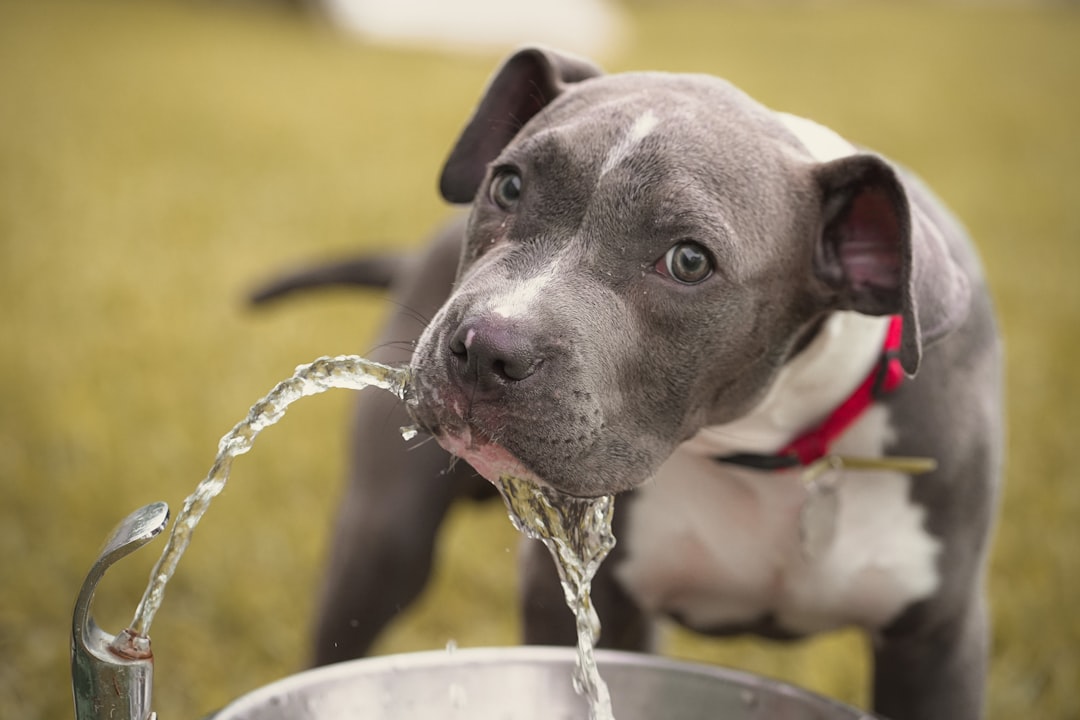
Keeping your dog properly hydrated is crucial for their health. This guide explores causes of dehydration, signs to watch for, and effective solutions to maintain optimal hydration for your furry friend.
Essential Guide to Proper Hydration for Dogs: Causes, Signs, and Solutions
Estimated reading time: 8 minutes
Key Takeaways
- Dogs generally need 30-50 ml of water per kilogram of body weight daily, adjusted by diet, activity, and climate.
- Behavioral changes, medical issues, and environmental factors can reduce water intake.
- Early dehydration signs include dry gums, sunken eyes, skin elasticity loss, and lethargy.
- Dehydration can cause serious health risks like kidney damage, UTIs, and heat stroke.
- Simple strategies like fresh water, flavored broths, hydrating foods, and quiet drinking spaces encourage hydration.
- Special care is important for puppies and senior dogs due to their unique hydration needs.
- Seek veterinary attention promptly if dehydration symptoms persist or worsen.
Table of Contents
- 1. Understanding Your Dog’s Hydration Needs
- 2. Common Causes of Reduced Water Intake in Dogs
- 3. Spotting Early Signs of Dehydration in Dogs
- 4. Health Risks of Dehydration
- 5. Simple Strategies to Encourage Your Dog to Drink More Water
- 6. Age-Specific Hydration Tips: Puppies and Senior Dogs
- 7. When to Seek Veterinary Attention
- Conclusion
- FAQ
1. Understanding Your Dog’s Hydration Needs
Dogs’ water needs depend on weight, diet, environment, and activity. Generally, they require about 30 to 50 milliliters of water per kilogram of body weight daily. A 20 kg dog, for example, should drink roughly 600 to 1000 ml (2.5 to 4 cups) each day.
Several factors influence hydration:
- Diet: Dry kibble eaters need more water while wet food diets supply extra fluids.
- Environmental Temperature: Hot climates increase water loss through panting.
- Activity Level: Active dogs require more fluids to replace losses.
- Age and Health: Puppies must always have water access, whereas senior dogs might have altered thirst or health challenges.
2. Common Causes of Reduced Water Intake in Dogs
Dogs may drink less water due to:
- Behavioral Causes: New environments, other pets, loud noises, or bowl discomfort.
- Medical Issues: Dental pain, infections, vomiting, diarrhea, kidney or metabolic diseases.
- Environmental Factors: Hot weather or dirty water bowls discourage drinking.
- Dietary Changes: Switching between dry and wet foods affects perceived moisture needs.
3. Spotting Early Signs of Dehydration in Dogs
Dehydration may start subtly. Watch for these indicators:
- Dry or Sticky Gums: Healthy gums should be moist and slippery.
- Skin Elasticity Test: Skin between shoulder blades should snap back quickly when lifted.
- Sunken Eyes: Eyes may look dull, dry, or recessed.
- Excessive Panting: Panting not linked to recent activity.
- Lethargy and Behavioral Changes: Fatigue, irritability, or withdrawal.
If these signs appear, encourage water intake and consult your veterinarian if conditions do not improve.
4. Health Risks of Dehydration
Dehydration threatens vital functions and may lead to:
- Kidney Impairment: Risk of organ damage or failure increases without sufficient fluids.
- Urinary Tract Infections (UTIs): Reduced urine production fosters bacterial growth.
- Heat Stroke: Fluid loss impairs body temperature regulation.
- Shock and Collapse: Severe dehydration may cause blood pressure drop, seizures, or fatality.
Puppies and seniors are especially vulnerable and require careful monitoring.
5. Simple Strategies to Encourage Your Dog to Drink More Water
Help your dog stay hydrated with these effective approaches:
-
Keep Water Fresh and Accessible
Change water at least twice daily, use ceramic or stainless steel bowls, and place several water stations around your home. -
Infuse Flavor
Add low-sodium bone broth or dog-safe herbal teas; offer ice cubes or frozen broth treats, especially in warm weather. -
Incorporate Hydrating Foods
Use wet canned foods and safe fruits or vegetables like watermelon, cucumber, or carrots to boost fluid intake. -
Create a Peaceful Drinking Environment
Position bowls in quiet spots and consider quieter or non-slip bowls if noise causes distress. -
Monitor Activity and Weather
Limit intense exercise during heat and always offer fresh water after outdoor activities.
Avoid forcing your dog to drink; positive reinforcement and comfort help encourage natural hydration.
6. Age-Specific Hydration Tips: Puppies and Senior Dogs
Puppies
- Provide water at a suitable height for easy access.
- Monitor consumption after play or meals closely.
- Offer tempting additions like small ice cubes or mild broth.
Senior Dogs
- Prompt frequent drinking and consider flavorful additives.
- Schedule regular vet visits to check hydration and kidney health.
- Be alert for subtle dehydration signs as they may mask symptoms.
7. When to Seek Veterinary Attention
Seek immediate veterinary care if:
- Your dog refuses water for more than 24 hours.
- Persistent vomiting, diarrhea, seizures, collapsing, or unresponsiveness occur.
- Severe dehydration signs like dry gums, sunken eyes, or skin tenting worsen.
- The dog is a puppy, senior, or has a medical condition.
Veterinarians may perform blood tests, urinalysis, and imaging to diagnose the issue, providing fluid therapy and medications as needed to treat underlying causes.
Conclusion: Ensuring Your Dog Stays Hydrated for a Vibrant Life
Consistent hydration is vital to your dog’s health and happiness. By understanding their water needs, recognizing early dehydration symptoms, and encouraging fluid intake, you safeguard their well-being.
Remember to:
- Provide a continual supply of clean, fresh water.
- Use flavorful additives and hydrating foods to entice drinking.
- Stay alert for behavioral or physical changes indicating dehydration.
- Consult your veterinarian promptly when warning signs appear.
At Petocart, we offer premium water bowls and hydration aids to make drinking enjoyable and effortless for your dog.
Taking small, consistent steps towards proper hydration lays the foundation for a vibrant, healthy canine companion.
FAQ
Q1: How much water does my dog need daily?
Typically, dogs require 30 to 50 milliliters per kilogram of body weight. Factors like food type, activity, and climate can affect this amount.
Q2: What are the first signs my dog is dehydrated?
Dry or sticky gums, slow skin elasticity, sunken eyes, excessive panting, and lethargy are early symptoms.
Q3: Can I add flavor to my dog’s water safely?
Yes, low-sodium bone broth or dog-safe herbal teas are safe to add and can encourage drinking.
Q4: When should I see a vet about hydration concerns?
If your dog refuses water for over a day, shows severe dehydration signs, or has vomiting, diarrhea, or collapse, consult a vet immediately.
Q5: How can I help my senior dog stay hydrated?
Encourage regular drinking with fresh water and flavor additives, monitor for dehydration signs closely, and schedule regular vet check-ups.