Cart
0
What Your Dog’s Favorite Toys Reveal About Their Personality
Discover how your dog's toy choices offer a unique window into their instincts, breed traits, and emotional world—helping you pick toys that truly enrich their life.
Key Takeaways
- Your dog’s favorite toy reflects their personality, energy, and instincts.
- Different toys—squeaky, throwable, tug, stuffed, chew, puzzle—appeal to distinct canine traits.
- Age, breed, and life stage influence toy preferences and play needs.
- Choosing safe, durable, and breed-appropriate toys supports mental and physical wellbeing.
- Interactive play deepens your bond and provides valuable mental and social benefits.
Table of Contents
- 1. How Toy Preferences Reflect Canine Personality Traits
- 2. Age, Breed, and Life Stage Influence Toy Choices
- 3. Breed-Based Toy Recommendations for Better Play
- 4. The Mental and Social Benefits of Play with Toys
- 5. Safety First: Choosing Durable and Non-Toxic Toys
- 6. Enhancing Your Dog’s Life Through Thoughtful Toy Selection
- 7. Final Thoughts: Let Your Dog’s Playtime Reveal Their True Self
- FAQ
1. How Toy Preferences Reflect Canine Personality Traits
Just like people, dogs have distinct personalities, and their favorite toys often mirror their inner world. Canine behavior experts agree that a dog's toy choices highlight their energy levels, emotional state, and inherited instincts.
Squeaky Toys: The Enthusiastic Hunters
Dogs who adore squeaky toys tap into their prey drive. That squeak mimics the sound of injured prey, triggering a natural urge to pounce, chase, and shake. It's especially appealing to puppies with developing senses, keeping them curious and engaged.
Imagine a determined terrier fixated on a squeaky mouse, instinctively shaking it like a wild catch—that’s classic behavior for a playful, persistent pup.
Throwable Toys: For Action-Packed Adventurers
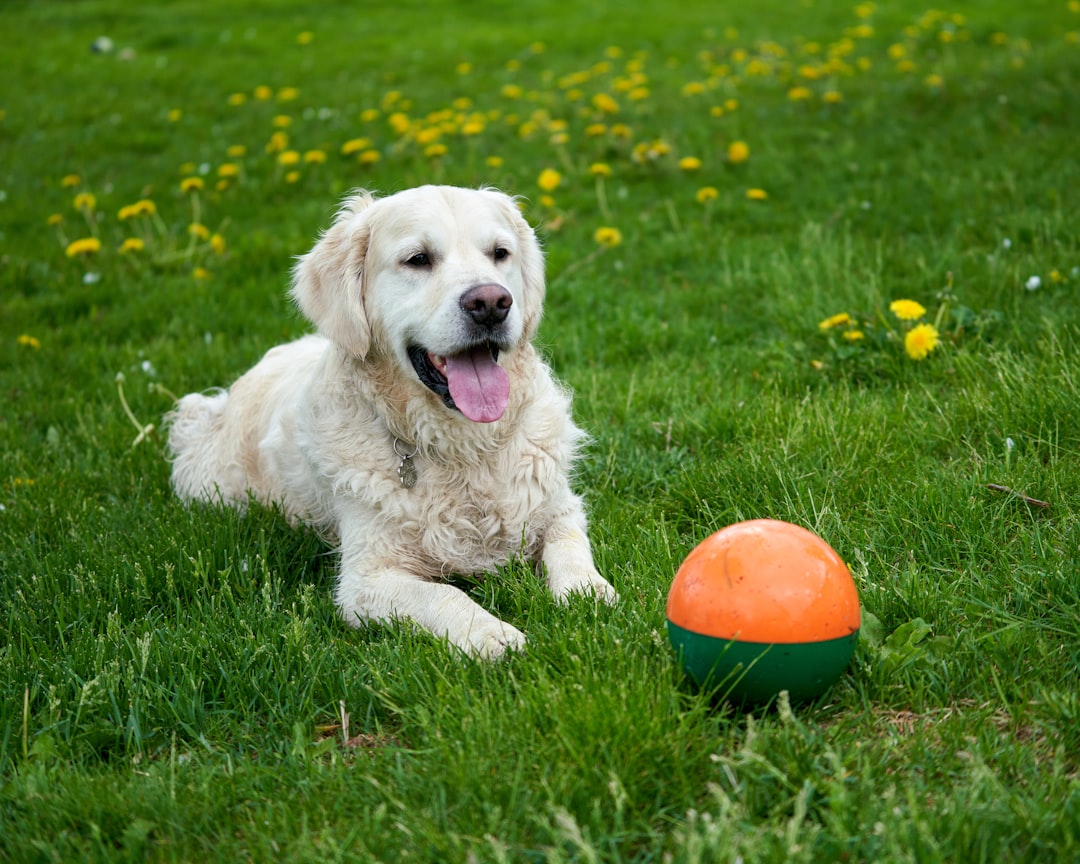
Balls, frisbees, and other tossable toys attract high-energy dogs that love to chase and retrieve. Breeds like Retrievers and Shepherds thrive on fast-paced play that reflects their active backgrounds.
Fetch isn’t just fun—it provides cardiovascular exercise and strengthens your bond through rewarding shared activity.
Tug-of-War Toys: Confident, Social Players
Tug toys appeal to dogs who enjoy interactive, competitive games. Tug-of-war channels social confidence, bite control, and physical engagement—particularly attractive to social breeds that relish structured playtime with their humans.
These play sessions highlight both the challenge and companionship your dog craves.
Stuffed Animals: Gentle Comforters or Cunning Hunters
Plush toys serve different roles. Some dogs shred them as part of playful hunting, mimicking prey behavior, while others carry them like a comfort item—similar to a child’s attachment to a favorite blanket.
A nurturing dog might gently tote a plush toy around or snuggle with it at naptime—an endearing sign of emotional depth.
Chew Toys: The Tenacious Thinkers
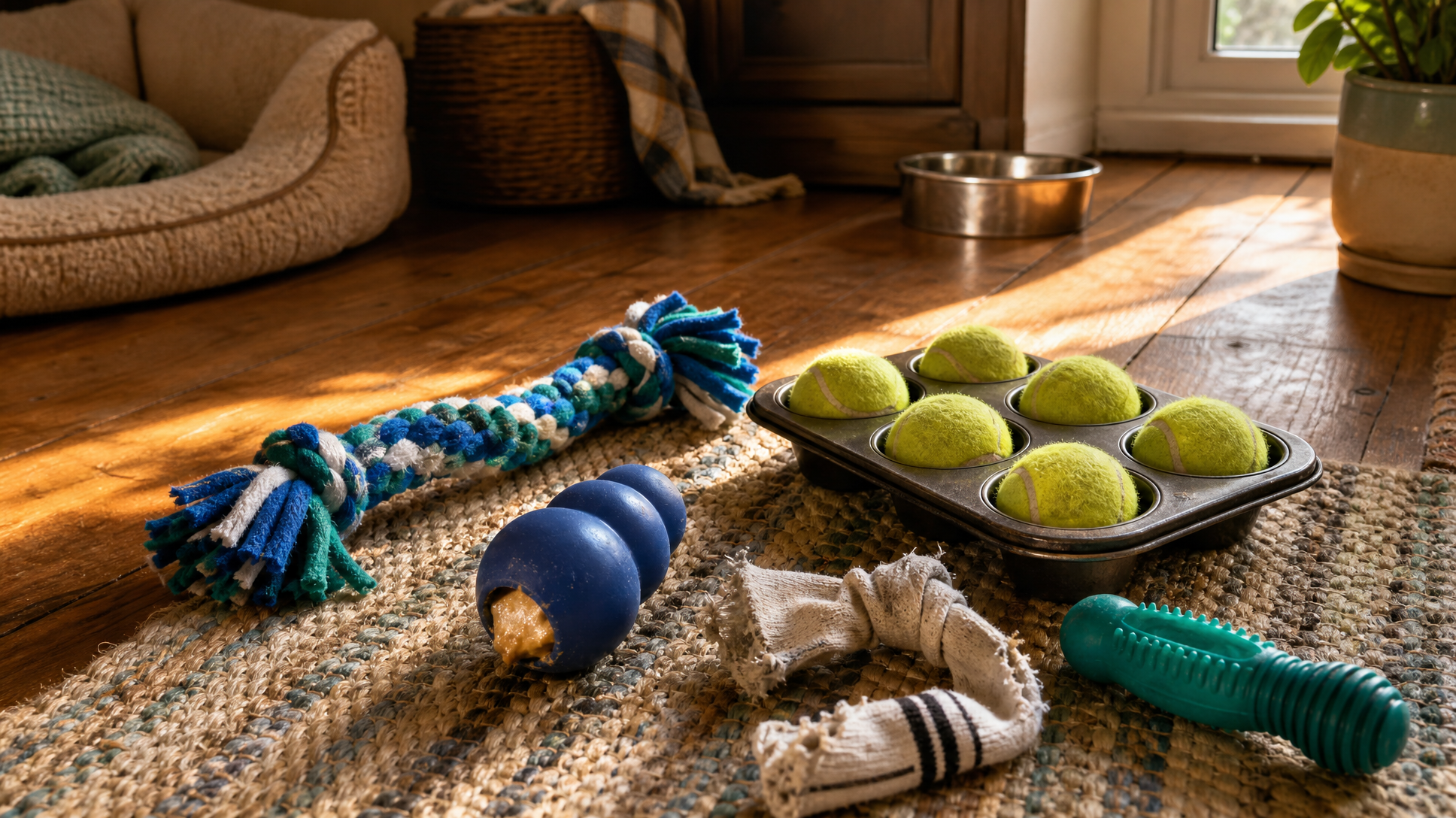
Durable toys like Kongs or Nylabones satisfy dogs craving mental stimulation alongside safe chewing. These toys relieve boredom, promote dental health, and support natural chewing behavior.
They're especially favored by power chewers and problem-solving pups who enjoy hands-on mental challenges.
Puzzle Toys: For the Brains Behind the Bark
Highly intelligent dogs thrive with puzzle toys that require strategic decision-making and simulate foraging behavior. These toys make playtime educational and rewarding.
Dogs like Poodles or German Shepherds often relish puzzle toys providing both stimulation and treats, but be mindful to match difficulty to avoid boredom or frustration.
Natural Objects: The Resourceful Explorers
Some dogs are drawn to sticks and branches, honoring their scavenging instincts. While natural play reflects independence and curiosity, sticks pose choking or splinter risks.
If your dog collects outdoor treasures, offer safer alternatives that satisfy their inquisitive nature.
2. Age, Breed, and Life Stage Influence Toy Choices
Similar to humans outgrowing childhood favorites, dogs’ toy preferences evolve over time. Age, breed, and life stage greatly influence their play needs.
- Puppies enjoy toys rich in texture and sound—squeakers, crinkles, and gentle tugs—that promote sensory exploration and entertainment.
- Adults tend to favor toys linked to their breed heritage. Retrievers opt for fetch toys, herding breeds chase vigorously, and strong chewers go for indestructible chew toys.
- Seniors require softer, gentler toys accommodating lower energy and dental sensitivity.
Choosing age- and breed-appropriate toys keeps your dog mentally sharp, physically fit, and emotionally balanced.
3. Breed-Based Toy Recommendations for Better Play
| Breed Type | Typical Traits | Recommended Toys |
|---|---|---|
| Active breeds | High energy, athletic | Balls, frisbees, puzzle toys |
| Powerful chewers | Strong jaws, persistent | Rubber or nylon chew toys |
| Intelligent breeds | Curious, fast learners | Treat-dispensing puzzles, interactive toys |
| Gentle breeds | Soft play style | Plush toys with squeakers |
| Retrievers | Fetching, carrying | Soft balls, retrieving plush toys |
Tailoring toys to your dog’s breed traits helps prevent frustration and nurtures natural instincts safely and enjoyably.
Celebrate the season with savings — get 5% off your order using code EXCLUSIVE5 at checkout
4. The Mental and Social Benefits of Play with Toys
Toys are more than distractions—they stimulate your dog’s mind and support emotional wellbeing.
- Puzzle and chew toys engage busy minds, redirect energy from destructive behaviors, and boost confidence while reducing anxiety.
- Interactive games like tug-of-war and fetch foster connection and fulfill rewarding instinctual drives.
- Rotating toys prevents boredom by promoting diverse behaviors and keeping playtime fresh and exciting.
One Newfie-Golden Retriever mix only played fetch with a stuffed mallard during walks—using it to engage with other dogs and humans. That simple game became a smart, social icebreaker.
5. Safety First: Choosing Durable and Non-Toxic Toys
While fun is essential, safety must be top priority. Not all toys meet rigorous safety standards. Choose reliable, well-made products from trustworthy sources to keep playtime safe.
Top Toy Safety Tips:
- Select materials that are BPA- and phthalate-free to avoid harmful chemicals.
- Pick durable toys that resist tearing and can't be swallowed or choked on.
- Ensure hollow toys have holes or air vents to prevent suction injuries.
- Avoid plush toys with detachable parts like eyes or noses, which can pose choking hazards.
- Always choose toys sized appropriately for your dog’s mouth to prevent ingestion accidents.
Hard rubber bones, reinforced plush toys with minimal stuffing, and chew-resistant designs are excellent for power chewers or anxious dogs. As dog toy expert Seth Cody of DogTuff explains, quality construction greatly reduces injury risk.
6. Enhancing Your Dog’s Life Through Thoughtful Toy Selection
Understanding what your dog's preferred toys reveal empowers you to:
- Customize enrichment to match instinctive drives and temperament
- Encourage better health with age- and energy-appropriate activity
- Reduce destructive habits by offering safe outlets for chewing and chasing
- Strengthen your bond through shared, interactive play
- Create a safer play environment with smart toy choices
The right toy doesn’t just entertain—it nurtures, engages, and deepens your relationship with your four-legged companion.
7. Final Thoughts: Let Your Dog’s Playtime Reveal Their True Self
Your dog’s favorite toy is more than a pastime—it’s a reflection of who they are. From squeaky enthusiasts to mellow plush lovers, their choices shed light on instincts, breed, and emotions.
By tuning into their preferences and choosing toys based on age, breed, and personality, you enrich their life and foster a rewarding bond.
Ready to find your dog’s next favorite? Explore Petocart’s expertly curated collection of safe, durable toys tailored to every pup’s unique play style.
FAQ
How can I tell what type of toy my dog prefers?
Observe which toys your dog consistently chooses and how they play with them. For example, a dog that loves chasing and retrieving likely prefers balls or frisbees, while one that enjoys gentle carrying may favor plush toys. Matching play styles to toy types provides valuable insights into their preferences.
Are puzzle toys appropriate for all breeds?
Puzzle toys suit many breeds, especially intelligent and curious dogs like Poodles and German Shepherds. However, difficulty levels should match your dog's mental capacity to avoid frustration. Less intelligent or very young dogs may benefit from simpler interactive toys.
How often should I rotate my dog’s toys?
Rotating toys every few days to a week keeps playtime fresh and prevents boredom. Introducing “new” toys from a hidden stash rekindles interest and encourages a wider range of behaviors.
What should I do if my dog destroys plush toys?
If your dog tends to shred plush toys, opt for reinforced variants with minimal stuffing or tougher materials. Provide durable chew toys as alternatives and supervise play to prevent ingestion of harmful parts.
Are natural objects like sticks safe for play?
Sticks can splinter and pose choking hazards, so they’re generally unsafe. Instead, offer safe, natural-feeling alternatives designed specifically for chewing and fetching to protect your dog’s health.