Cart
0

Bringing a dog home for the first time is an exciting journey. Proper preparation, from asking the right questions before adoption to setting up a safe environment and gathering the best supplies, lays the foundation for a happy and healthy relationship with your new companion.
The Ultimate Guide to Preparing for Your First Dog: Essential Tips and Supplies for New Dog Owners
Key Takeaways
- Ask detailed pre-adoption questions to ensure you understand your dog’s needs.
- Dog-proof your home to create a safe and comfortable environment.
- Gather essential supplies including ID gear, feeding items, grooming tools, and training aids before arrival.
- Follow nutrition guidelines for smooth food transitions and balanced meals.
- Schedule timely veterinary care for health maintenance and preventative treatments.
- Start training early with consistency and positive reinforcement.
- Incorporate exercise and mental stimulation to keep your dog happy and healthy.
- Establish grooming routines tailored to your dog’s coat and lifestyle.
Table of Contents
- 1. Essential Pre-Adoption Questions
- 2. How to Dog-Proof Your Home
- 3. Must-Have Dog Supplies
- 4. Feeding Your New Dog
- 5. Veterinary Care Essentials
- 6. Dog Training and Socialization
- 7. Exercise and Mental Stimulation
- 8. Grooming Your Dog
- 9. Recommended Quality Products
- 10. Final Thoughts
- FAQ
1. Essential Pre-Adoption Questions Every New Dog Owner Should Ask
Before welcoming your new dog home, gathering critical information about their background and health enables you to provide tailored care and anticipate needs with confidence.
- Vaccination History: Have all core vaccines such as parvovirus, distemper, and rabies been administered and maintained?
- Parasite Prevention: What flea, tick, and deworming treatments have been applied and when?
- Current Diet: What foods and treats is your dog accustomed to? Maintaining the same diet initially helps avoid digestive upset.
- Breed and Age: Essential for assessing exercise needs, nutrition, and any breed-specific health risks.
- Spay/Neuter Status: Is this procedure complete or scheduled?
- Health Background: Any chronic illnesses, surgeries, or allergies?
- Temperament and Habits: Is the dog house-trained? How do they interact with other animals and strangers? Any fears or aggression to note?
Being informed helps ensure a smoother transition and sets realistic expectations for you and your dog.
2. How to Dog-Proof Your Home for Safety and Comfort
Creating a secure environment is key to preventing accidents and anxiety.
- Eliminate Toxic Items: Store cleaners, medications, chocolate, and toxic plants safely out of reach.
- Manage Electrical Cords: Bundle or cover wiring to prevent chewing.
- Restrict Access: Use baby gates or close doors for dangerous areas such as stairs or balconies.
- Secure Trash Bins: Use containers with lids or keep waste in closed cabinets.
- Close Toilet Lids: Protect curious puppies from accidents.
- Use Pet-Friendly Cleaners: Opt for non-toxic, safe cleaning alternatives.
- Fence or Leash: Ensure outdoor spaces are secure or plan for supervised walks.
Introducing your dog first to a calm, small area can ease their adjustment.
3. Must-Have Dog Supplies for New Owners
Preparing the right supplies before your dog arrives supports a smooth transition and daily routine.
Identification and Walking Essentials
- Collar with ID Tag: Ensure proper fit with engraved tags or QR codes for quick identification.
- Microchip: A permanent form of identification; remember to register your contact info.
- Harness: Non-restrictive options like the Ruffwear Front Range Harness are great for smaller or sensitive necks.
- Leash: Durable 6-foot leashes such as the Max and Neo Double Handle Leash offer control and visibility.
- Waste Bags: Eco-friendly bags like Earth Rated poop bags keep public areas clean.
Feeding and Comfort
- Food & Water Bowls: Stainless steel or ceramic such as Loving Pets Bella Bowls are durable and hygienic.
- Dog Food: Start with the diet the dog is used to, transitioning gradually if needed.
- Treats: Use sparingly to maintain balanced nutrition.
- Dog Bed: Supportive, washable beds like the Majestic Pet Products Suede Bagel Bed.
- Crate: Sized appropriately; sturdy options like MidWest Ultima Pro assist with training and provide security.
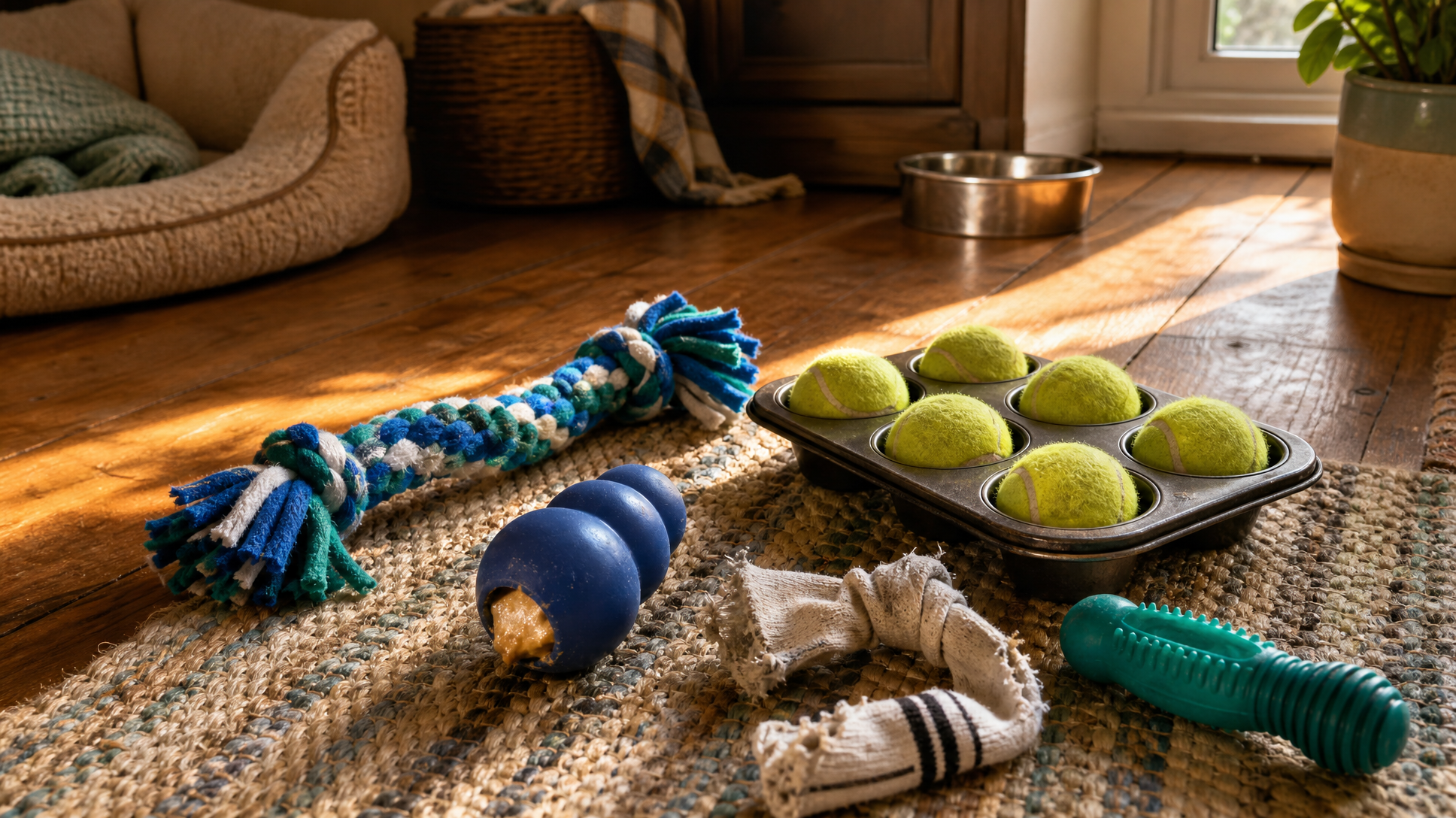
- Toys: Mental stimulation with items such as Kongs or puzzle feeders.
Grooming and Training Supplies
- Brush: Match your dog’s coat type with rubber brushes for short hair or slickers for tangles.
- Nail Clippers: Reliable tools like Millers Forge ease nail maintenance.
- Potty Pads: Helpful during housetraining.
- Pet-Safe Wipes: Quick cleanups between baths.
Barriers for Safety
- Baby Gates: Hardware-mounted gates like Cardinal Gates Stairway Special safely contain your dog.
4. Feeding Your New Dog: Nutrition Tips and Best Practices
Proper nutrition fuels your dog’s health, energy, and longevity.
Transitioning and Scheduling Meals
- Begin feeding the diet your dog is familiar with.
- Introduce new foods gradually over 7–10 days to avoid upsets.
- Puppies need 3–4 meals daily; adult dogs thrive on two consistent meals per day.
- Limit treats to under 10% of daily caloric intake.
Choosing the Right Food
- Opt for high-quality, recognizable ingredients.
- Select formulas based on your dog’s life stage, size, and activity level.
- Consult your veterinarian for specialized dietary needs.
Hydration and Weight Monitoring
- Provide fresh water continuously.
- Monitor body condition to adjust feeding as needed.
5. Veterinary Care: Health Essentials for Your New Dog
Establishing a health routine early supports your dog’s wellness throughout life.
Your First Vet Visit
- Schedule within one week of adoption.
- Comprehensive physical exam including weight and vital signs.
- Update vaccines and implement parasite prevention.
- Discuss spaying/neutering and microchip status.
Ongoing Preventative Care
- Keep vaccinations current according to your vet’s schedule.
- Administer flea, tick, and heartworm preventatives year-round.
- Maintain dental health with appropriate care.
- Schedule regular checkups to detect health issues early.
- Have emergency veterinary contacts readily available.
6. Dog Training and Socialization: Building a Well-Behaved Companion
Training nurtures good behavior and strengthens your bond through positive interaction.
Creating Structure
- Set consistent schedules for meals, potty, walks, and play.
- Use treats, toys, and praise to reward good behavior.
Foundational Commands to Teach
- Begin with Sit, Stay, Come, Leave It, and Heel.
- Introduce crate training as a safe, positive space linked to meals and calmness.
Socialization Strategies
- Introduce new experiences gradually with positive reinforcement.
- Enroll in puppy classes or work with certified trainers especially during critical socialization phases.
Know When to Seek Help
- Address behavior concerns promptly with professional support.
- Avoid punishment-based training to protect your dog’s confidence.
7. Exercise and Mental Stimulation: Keeping Your Dog Healthy and Happy
Exercise balances energy levels and enhances your dog’s mental well-being.
How Much Exercise Is Enough?
- Small or low-energy breeds may need 30 minutes daily; active breeds often require an hour or more.
- Incorporate structured play such as fetch, agility, or hiking.
Mental Enrichment Ideas
- Use puzzle feeders and treat-dispensing toys.
- Engage in scent games and rotate toys regularly to maintain interest.
Outdoor Exploration
- After vaccinations, introduce safe leash walks and brief outings to build confidence.
8. Grooming Your Dog: Keeping Them Clean and Comfortable
Regular grooming supports your dog’s health beyond aesthetics.
Tailor Grooming to Coat Type
- Long-haired dogs: Brush daily or every other day to avoid mats.
- Short-haired dogs: Usually need weekly brushing.
- Bathing: About once a month using dog-specific shampoo.
- Nail Trimming: Keep nails trimmed monthly to prevent discomfort.
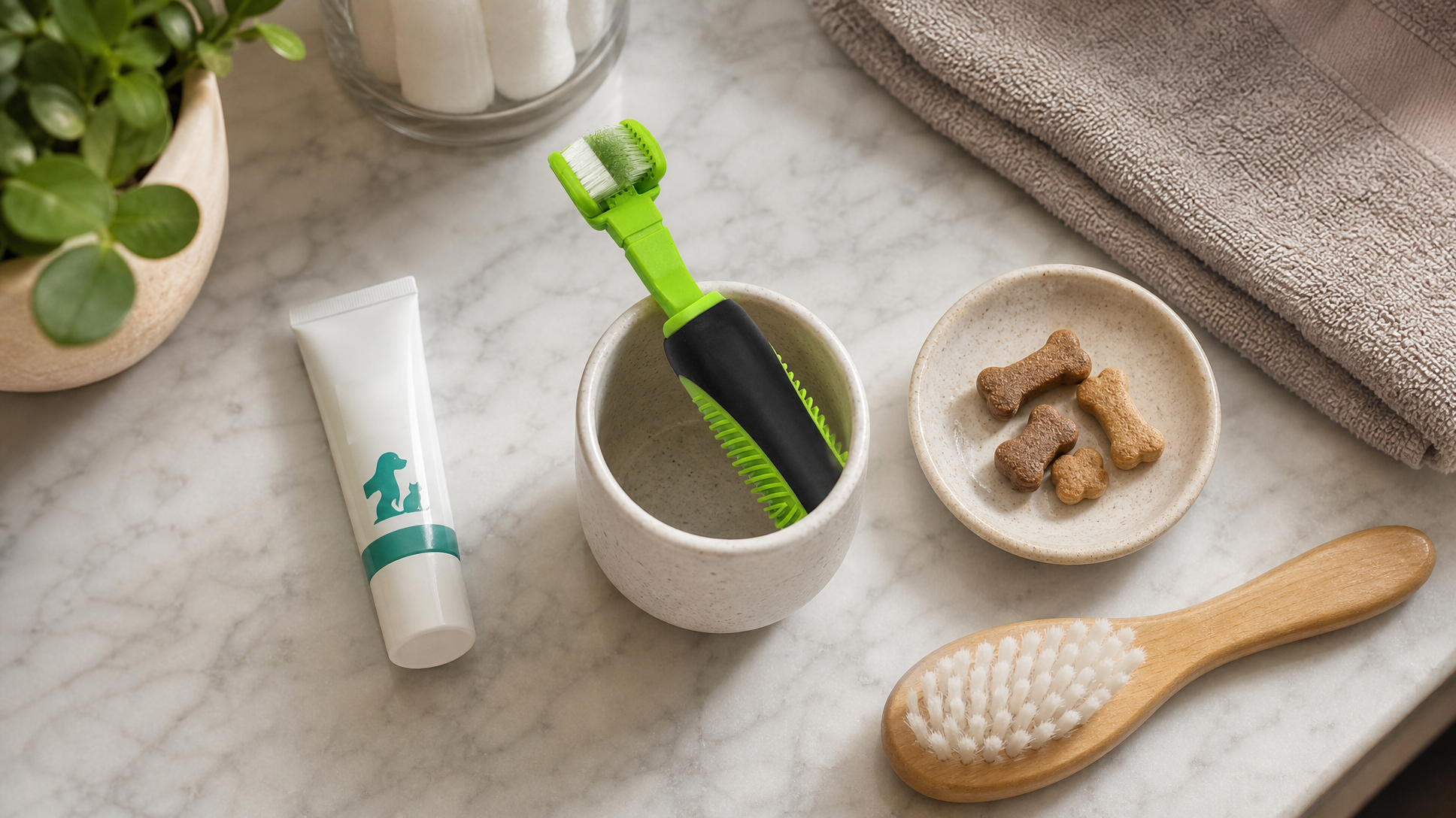
- Dental Care: Use canine toothpaste and treats to maintain oral health.
Making Grooming a Positive Routine
- Start slowly with gentle handling and use treats to create calm experiences.
- Professional grooming visits can help with maintenance and skin evaluations.
9. Recommended Quality Products to Support Dog Care
Investing in dependable gear simplifies care and enhances safety.
Travel Gear
- SturdiBag Pro 3.0 carrier and Sleepypod ClickIt Sport Plus harness offer crash-tested travel safety.
Essential Accessories
- Orvis Reflective Collar improves visibility.
- Quality no-pull harnesses like the Ruffwear Front Range Harness enhance walk comfort.
At-Home Necessities
- Bella Bowls for feeding, Majestic Pet Products Suede Bagel Beds for rest, and MidWest Ultima Pro crates for safety.
Grooming Tools
- Four Paws Magic Coat brushes remove loose fur.
- Hertzko Self Cleaning Slickers handle tangles.
- FURminator tools control shedding.
Cleanup Essentials
- Non-toxic cleaning sprays and Earth Rated poop bags keep your home and neighborhood tidy.
10. Final Thoughts: Creating a Happy, Healthy Life for Your New Dog
Welcome to the rewarding journey of dog ownership. Preparing your home, choosing quality supplies, learning about nutrition, maintaining veterinary care, and investing in training and play build a foundation for a lifelong bond. Stay patient and consistent. Seek professional guidance as needed, and enjoy the unique joy your dog brings to your life.
Frequently Asked Questions
How do I transition my dog to a new diet safely?
Introduce the new food gradually over 7 to 10 days by mixing increasing amounts of it with your dog's current diet. This helps prevent digestive upset and allows your dog’s system to adjust smoothly.
When should I schedule my dog’s first vet appointment?
It’s best to schedule a veterinary visit within the first week of bringing your dog home to establish care, conduct a full health exam, and discuss vaccination and preventative schedules.
What are effective ways to start training a new dog?
Begin with establishing a consistent daily routine, using positive reinforcement like treats and praise, and teaching foundational commands such as Sit, Stay, and Come. Crate training and socialization should be introduced gently and patiently.
How much exercise does my dog need?
Exercise needs vary by breed, age, and energy level. Small or low-energy dogs often require around 30 minutes daily, while active breeds may need an hour or more of physical activity and mental stimulation daily.
What supplies should I have before bringing my dog home?
Essentials include a properly fitting collar with ID tag, leash, harness, food and water bowls, dog bed, crate, appropriate toys, grooming supplies, waste bags, and a safe area secured by baby gates or fencing.