Cart
0
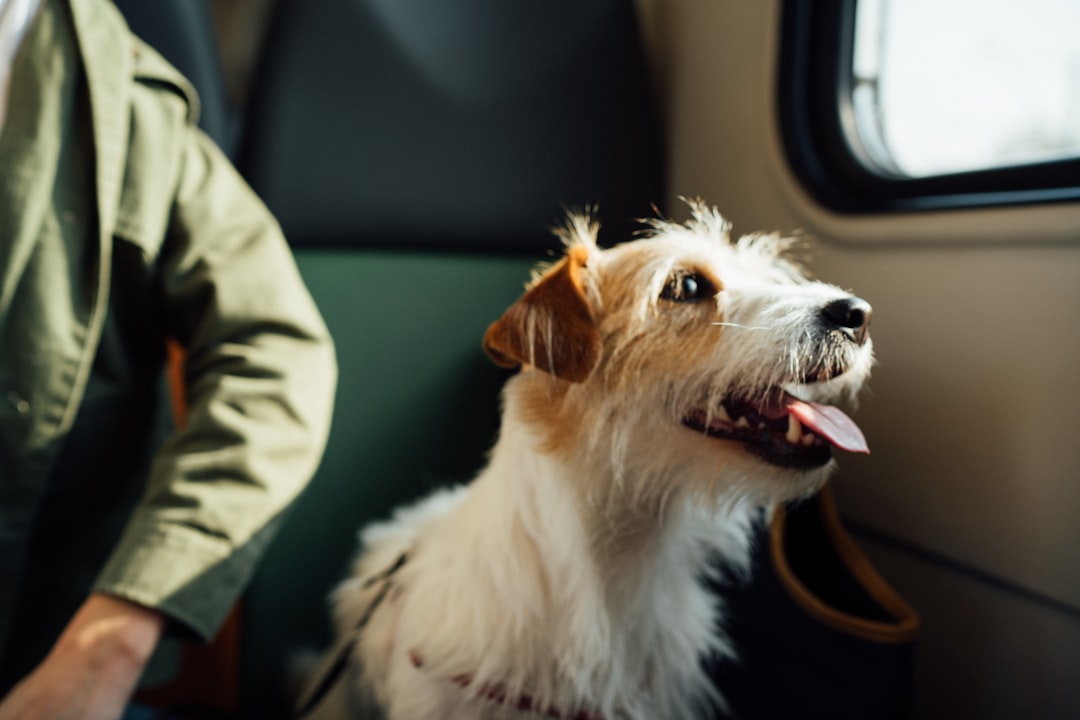
Traveling with your pet requires careful planning to ensure safety and comfort throughout the journey. This comprehensive guide covers everything you need to know—from health checks and legal documentation to handling anxiety and finding pet-friendly accommodations—helping you create unforgettable and worry-free adventures together.
The Ultimate Guide to Pet Travel Safety: Tips for Safe and Comfortable Journeys
Key Takeaways
- Prepare your pet with veterinary checks, vaccinations, and proper identification.
- Use suitable restraints and carriers depending on travel mode to secure your pet.
- Plan for your pet’s emotional well-being with gradual acclimation and calming aids.
- Understand airline and accommodation pet policies before booking.
- Pack essential supplies including emergency kits and familiar items for comfort.
- Comply with all legal health regulations and documentation when crossing borders.
- Consider alternative care if travel may be harmful or stressful for your pet.
Table of Contents
- 1. Why Preparation Is Key for Pet Travel Safety
- 2. Car Travel Safety: How to Keep Pets Secure on the Road
- 3. Air Travel with Pets: What You Need to Know
- 4. Managing Pet Anxiety During Travel
- 5. Finding Pet-Friendly Accommodations
- 6. Holiday and Emergency Precautions for Pets
- 7. Legal and Health Compliance: Travel Documentation and Regulations
- 8. When to Consider Alternative Pet Care Options
- 9. Final Tips for Peace of Mind Pet Travel
1. Why Preparation Is Key for Pet Travel Safety
Planning ahead is the foundation for smooth and safe travel with your pet. Early preparation minimizes stress and protects your companion’s health and well-being.
Veterinary Check-ups and Vaccinations
Begin with a comprehensive health examination from your veterinarian. Ensure all vaccinations, especially rabies, are up to date. Depending on your destination, you might need health certificates or additional screenings.
Identification and Microchipping
Secure permanent identification by microchipping your pet. Attach collar tags with your contact information and consider temporary tags displaying your travel itinerary during the trip.
Packing a Pet Travel Kit
Prepare a travel kit that includes:
- Food and water with collapsible bowls
- Leash, waste bags, and grooming supplies
- Medications and a pet-specific first-aid kit
- Familiar bedding, toys, or blankets
- Copies of vaccination and health documents
- Recent photos for emergencies
With this kit, you’ll be ready for any situation the journey presents. For more details, see the AAHA guide on safe pet travel.
2. Car Travel Safety: How to Keep Pets Secure on the Road
Road trips can be enjoyable, but safety must come first to prevent accidents and ensure your pet stays comfortable.
Proper Restraint and Seating
Use crash-tested seatbelt harnesses for dogs, ventilated secure crates for smaller pets, or pet barriers in SUVs. Never let pets ride unrestrained or in the front seat due to airbag dangers.
Avoiding Heat Risks in Vehicles
Never leave your pet unattended in a parked car—even with windows cracked. Vehicle interiors can reach dangerous temperatures rapidly, risking heatstroke or death.
Travel Comfort Tips
- Take breaks every 2 to 3 hours for bathroom and hydration.
- Keep windows mostly closed to avoid injury from sticking heads out.
- Feed 3–4 hours before travel to reduce motion sickness.
- Bring favorite toys or blankets for comfort.
Additional advice is available through the Red Cross pet travel safety page and the ASPCA travel safety guide.
3. Air Travel with Pets: What You Need to Know
Flying with pets involves rules, space limitations, and sound stressors, so proper planning is critical.
Choosing the Right Carrier
Choose an airline-approved carrier that fits under the seat, allows your pet to move comfortably, is well-ventilated, and escape-proof.
Cabin vs. Cargo Travel
Pets under 20 pounds often travel in the cabin, which is safer. Larger pets fly in cargo, facing risks like temperature swings and rough handling. Consult your vet if your pet has health issues or is a brachycephalic breed prone to respiratory problems.
Documentation and Airline Policies
Confirm with your airline carrier size limits, fees, restrictions, veterinary documents required within 10 days of travel, vaccination proof, and any special handling needs. Direct contact with the airline provides the most accurate details.
Explore more at the North Shore Animal League travel tips and the CDC pet travel resources.
4. Managing Pet Anxiety During Travel
Addressing your pet’s emotional needs reduces fear and helps ensure a calm trip.
Gradual Acclimation
Start early with short car rides and crate time, rewarding your pet with praise and treats to build positive associations.
Calming Aids and Familiar Items
Consider pheromone sprays, anxiety vests, and vet-approved supplements. Bring your pet’s favorite blanket, toy, or a worn t-shirt for comfort.
Soothing Interaction
During travel, use calm voices, gentle petting, and stay close to reduce stress and anxiety.
Additional advice can be found in this stress-free pet travel guide.
5. Finding Pet-Friendly Accommodations
After travel, a safe and welcoming place to stay helps pets relax and rejuvenate.
Booking in Advance and Understanding Policies
Check for breed or size restrictions, number of pets allowed, extra fees, and pet area access rules. Confirm and review policies before arrival to avoid surprises.
Bringing Familiar Bedding and Following Rules
Bring your pet’s usual bed or blanket, adhere to leash and cleanup rules, and keep noise to a minimum out of respect for others.
Discover pet-friendly options with perks like treats and walking trails at Take Your Pet.
6. Holiday and Emergency Precautions for Pets
Holidays and emergencies pose extra hazards. Vigilance and planning keep pets safe.
Avoid Toxic Foods and Hazards
- Keep chocolate, grapes, raisins, onions, garlic, alcohol, and certain nuts out of reach.
Fireworks and Loud Events
Protect pets by keeping them indoors in quiet rooms, playing calming music or white noise, and providing access to crates or hiding spots.
Emergency Kits and Evacuation Plans
Always carry a pet emergency kit with food, water, medications, medical records, bandages, and emergency contacts. Have an evacuation strategy including transport and pet-friendly shelters.
The ASPCA holiday safety tips and Red Cross emergency prep guide offer valuable further information.
7. Legal and Health Compliance: Travel Documentation and Regulations
Crossing state or international borders requires adherence to strict regulations.
Vaccinations and Health Certificates
Prepare valid rabies vaccination proof and health certificates issued by licensed veterinarians. Follow destination-specific document formats and validity periods.
Microchipping and Identification
Some countries legally require ISO-compliant microchips. Verify proper registration and compliance before travel.
Parasite Control and Quarantine
Many destinations demand flea, tick, or tapeworm treatment prior to arrival and may enforce quarantine periods. Research specific rules through official sources like the CDC and USDA-APHIS.
8. When to Consider Alternative Pet Care Options
Sometimes allowing your pet to stay at home with trusted care is the best choice.
Pet Sitters and Boarding
Hiring a reputable pet sitter or selecting a boarding facility preserves routine and provides supervision, socialization, and exercise.
Assessing Your Pet’s Needs
Age, health status, and temperament can limit travel suitability. Consult your vet to make an informed decision prioritizing your pet’s welfare.
9. Final Tips for Peace of Mind Pet Travel
- Start veterinary visits and paperwork early to avoid last-minute issues.
- Use approved restraints and carriers for safety during transport.
- Never leave pets unattended in vehicles regardless of temperature or duration.
- Verify airline and hotel policies before booking to prevent complications.
- Help your pet relax with calming aids, routines, and familiar belongings.
- Prepare an emergency travel kit with essential supplies and records.
- Make travel decisions based on your pet’s individual health and temperament needs.
Traveling with your pet, when done thoughtfully, can be an immensely rewarding experience. Ensure safety and happiness on every adventure with proper planning and care.
For trusted travel gear like harnesses, carriers, and calming aids, visit Petocart. We’re here to help make every adventure smoother and safer for you and your pet.
FAQ
Q1: How early should I start preparing my pet for travel?
Begin preparations a few weeks in advance. This includes vet visits, vaccinations, gradual acclimation to carriers or car rides, and assembling travel supplies.
Q2: What is the safest way to restrain a dog in a car?
Crash-tested seatbelt harnesses or secure crates are safest. Avoid loose restraint or allowing dogs to ride unrestrained or in front seats.
Q3: Can I give my pet sedatives for travel anxiety?
Only under veterinary guidance. Some sedatives can be harmful or worsen anxiety. Always consult your vet before administering medication.
Q4: Are there restrictions on flying with certain breeds?
Yes, brachycephalic breeds (e.g., Bulldogs, Pugs) face higher risks and may have travel restrictions. Check airline policies and consult your vet well in advance.
Q5: What documents do I need for traveling with pets across state or country borders?
Typically, a valid rabies vaccination certificate and a recent veterinarian health certificate are required. Some countries require microchip registration and parasite treatments. Verify requirements through official sources.