Cart
0
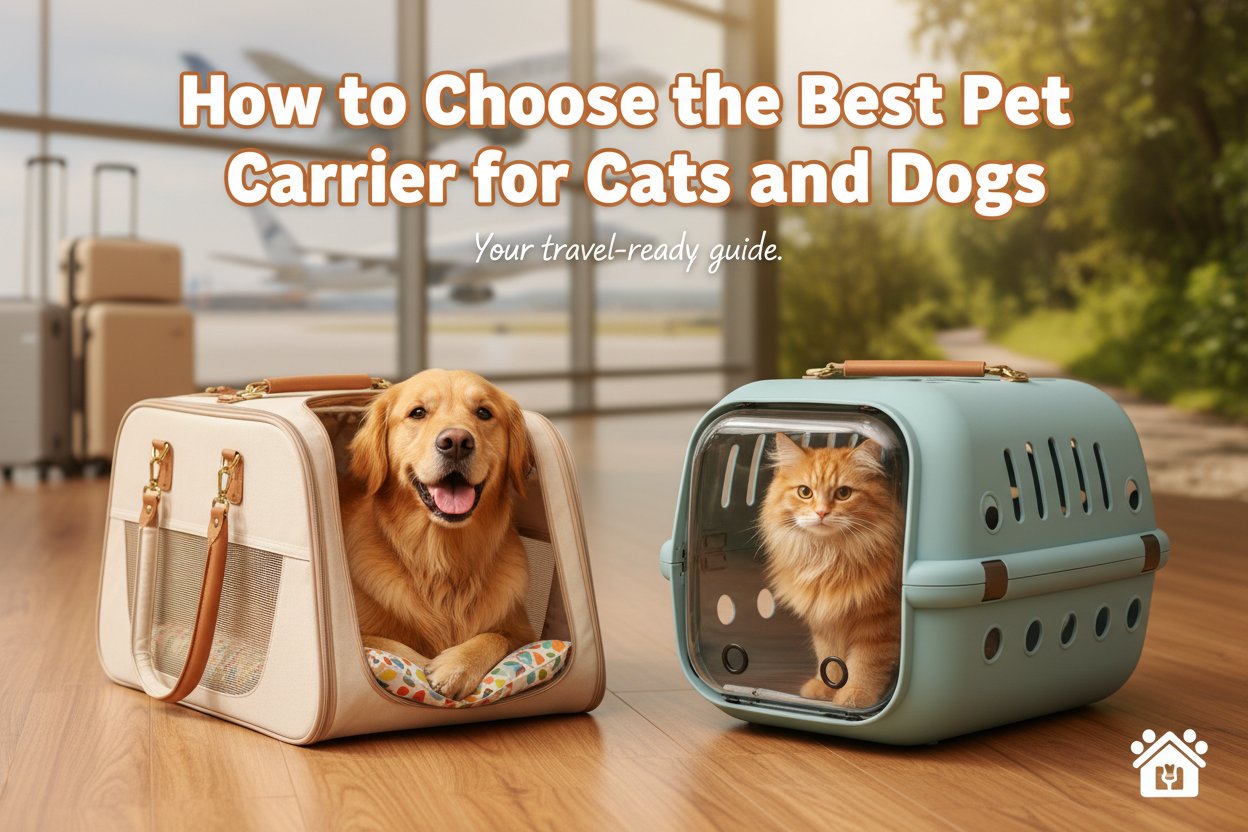
How to Choose the Best Pet Carrier for Cats and Dogs: A Complete Guide for Traveling Safely and Comfortably with Your Furry Friends
Traveling with your pets requires the perfect balance of safety, comfort, and convenience. This comprehensive guide will help you select the ideal pet carrier for your cats and dogs to ensure stress-free journeys whether it's a vet visit, road trip, or flight.
Key Takeaways
- Proper sizing is essential for pet comfort and safety during travel.
- Choose the right carrier type based on travel mode, pet temperament, and trip duration.
- Look for features like multiple access points, secure closures, ventilation, and ease of cleaning.
- Use training tips and calming techniques to reduce pet anxiety around carriers.
- Strictly follow airline regulations to avoid travel complications if flying.
- Maintain your pet carrier regularly for hygiene and longevity.
Table of Contents
- 1. The Importance of Safety and Comfort in Pet Carriers
- 2. Proper Sizing for Your Pet Carrier
- 3. Exploring Different Types of Pet Carriers
- 4. Key Features to Consider in Pet Carriers
- 5. Alleviating Pet Anxiety: Tips to Acclimate Your Pet
- 6. Navigating Airline Regulations Regarding Pet Carriers
- 7. Tips for Extended Travel and Multi-Day Journeys
- 8. Maintenance Tips for Keeping Pet Carriers Clean and Odor-Free
- 9. Final Thoughts: Choosing the Right Pet Carrier
1. The Importance of Safety and Comfort in Pet Carriers
Traveling without a proper pet carrier can lead to distractions for drivers, increased risk of injury for pets, and heightened anxiety for all involved. A well-designed carrier provides a secure space that limits your pet’s movement safely while offering comfort to reduce their stress.
- Ensures pet safety during transport
- Prevents driver distractions for safer journeys
- Minimizes escape risks and potential physical harm
- Creates a cozy, familiar retreat to comfort your pet
Balancing safety and comfort is key to protecting your furry friend and ensuring peace of mind while traveling.
2. Proper Sizing for Your Pet Carrier
Choosing the right carrier size is foundational for both comfort and safety, yet often overlooked.
For Cats
- Choose a carrier approximately 1.5 times your cat’s length (nose to tail).
- Allow 3 to 4 inches of headroom so your cat can sit and stand comfortably.
- Ensure enough width for easy turning.
For Dogs
- Measure from neck base to tail base and add a few inches for length.
- Add 3 to 4 inches of headroom (shoulder to paw measurement).
- Size width to enable easy turning and lying down comfortably.
Adequate space reduces anxiety by allowing natural movement without feeling confined.
Learn more about the nuances of pet carrier sizing here.
3. Exploring Different Types of Pet Carriers
Pet carriers vary widely in design to best suit your pet’s needs and your travel plans.
Soft-Sided Carriers
- Made from durable fabrics such as Oxford cloth or ballistic nylon.
- Lightweight, foldable, and portable.
- Mesh panels provide ventilation and visibility.
- Great for short trips, vet visits, and in-cabin airline travel.
- Mesh can be partially covered to create a calming, dim environment for shy or anxious pets.
Hard-Sided Carriers
- Constructed from strong materials like polypropylene or ABS plastic.
- Offer excellent protection from impacts.
- Non-slip floors and robust metal latches increase safety.
- Top-loading designs facilitate vet visits and pet handling.
- Preferred for longer car rides and IATA-compliant air travel.
Rolling Carriers and Backpacks
- Include wheels or backpack straps for easier transport.
- Ideal for active owners frequently on the move.
- Some pets may feel overwhelmed by movement or noise; consider your pet’s temperament.
Temporary Cardboard Carriers
- Lightweight and disposable.
- Suitable only for very short, one-time use trips.
For air travel, soft-sided carriers fitting under the seat are generally accepted for cabin travel, whereas hard-sided carriers complying with safety standards are required for checked flights.
Explore additional carrier types and features here.
4. Key Features to Consider in Pet Carriers
Beyond size and type, certain features enhance your pet’s experience and your convenience.
- Multiple Access Points: Front and top openings simplify loading and unloading, especially for anxious cats.
- Secure Latches and Closures: Metal bolts on hard carriers and protected dual zippers on fabric carriers prevent escapes.
- Ventilation: Essential airflow via vents on hard carriers or mesh panels on soft carriers promotes comfort.
- Comfort and Stability: Non-slip floors, familiar bedding, and partial covers mimic a den and reduce stress.
- Cleaning and Care: Removable washable liners and easy disassembly make cleaning hassle-free.
5. Alleviating Pet Anxiety: Tips to Acclimate Your Pet
Many pets initially fear carriers. Use patience and gradual training to build positive associations.
- Introducing the Carrier at Home: Leave it open in a quiet place with your pet's favorite blanket or toy inside.
- Positive Reinforcement: Reward treats when your pet approaches or stays inside voluntarily.
- Cozy Sanctuary: Cover the carrier partially with a breathable cloth and use calming pheromone sprays like Feliway or Adaptil.
- Short Training Trips: Start with brief, calm drives to establish comfort and trust.
- Discourage Overcrowding: Avoid transporting multiple pets in one carrier to reduce stress and aggression.
Gain further insights from expert advice on pet carrier training.
6. Navigating Airline Regulations Regarding Pet Carriers
Flying with pets involves strict carrier requirements to ensure safety and smooth airport processes.
In-Cabin Carriers
- Must fit under the seat (typically around 18” x 11” x 11”).
- Soft-sided and flexible materials are typical.
- Meet weight limits, usually 10 to 20 pounds including pet and carrier.
- Require proper ventilation and a waterproof base.
Cargo Carriers (Checked Luggage)
- IATA-compliant hard carriers are required.
- Ventilation on at least three sides above pet midsection mandatory.
- Secure metal latches or bolts must be used (plastic clips often rejected).
- Must allow adequate room for the pet to move and be comfortable on longer flights.
- Proper labeling with live animal warnings and owner contact info is essential.
Preparing for Air Travel
- Measure your pet carefully to comply with carrier size specifications.
- Confirm carrier dimensions match airline rules before booking.
- Avoid loose accessories inside the carrier for safety.
- Use lightweight bedding to maintain airflow.
- Consider calming pheromones to ease anxiety before the trip.
Refer to detailed airline carrier requirements here.
7. Tips for Extended Travel and Multi-Day Journeys
Long trips require additional preparation to keep your pet comfortable and safe.
- Use larger carriers or crates with space for essentials like food, water, bedding, and litter boxes.
- Plan frequent stops for bathroom breaks and short walks.
- Carry portable water bowls and washable bedding.
- Bring familiar toys or blankets for comfort.
- Avoid dense bedding that restricts airflow or adds unnecessary weight.
- Regularly check that latches and closures remain secure during stops.
Test longer “practice” trips to identify and resolve any issues before the main journey.
8. Maintenance Tips for Keeping Pet Carriers Clean and Odor-Free
Maintaining a clean carrier protects your pet’s health and prolongs the carrier’s lifespan.
- Choose carriers with removable, washable liners for easy cleaning.
- Use wipes and pet-safe disinfectants regularly, especially on hard carriers.
- Clean spills and accidents promptly to prevent odors and bacteria buildup.
- Be gentle when cleaning mesh panels to avoid damage.
- Store carriers in a dry, clean place to avoid mold or deterioration.
9. Final Thoughts: Choosing the Right Pet Carrier
Selecting the perfect pet carrier is a vital step in ensuring your pet’s safety, comfort, and calm during travel. By carefully considering size, type, features, and training, you build a positive travel experience for both you and your furry friends.
- Accurate measurements guarantee the right fit.
- Pick a carrier type suited for your travel habits and pet’s nature.
- Prioritize ventilation, security, and access ease.
- Use positive reinforcement and conditioning to acclimate your pet.
- Follow airline regulations closely for hassle-free flying.
- Maintain cleanliness to uphold hygiene and extend carrier life.
With these guidelines, your trips—whether short or long—will become smooth, safe, and comfortable adventures for your beloved pets.
Looking for the perfect pet carrier? Explore a wide selection of carriers and travel accessories tailored for your pet’s needs at Petocart.
FAQ
How do I measure my pet properly for a carrier?
Measure your pet’s length from nose to tail for cats and from neck base to tail base for dogs. Add extra inches for height so your pet can stand comfortably, plus enough width for turning and lying down.
Are soft-sided or hard-sided carriers better for air travel?
Soft-sided carriers are commonly used for in-cabin travel due to their flexibility and lightweight design. Hard-sided carriers, which comply with IATA standards, are required for cargo or checked flights to protect pets during longer journeys.
How can I help my pet get used to their carrier?
Introduce the carrier gradually at home by leaving it open with familiar toys and blankets. Use treats and positive reinforcement to encourage voluntary entry, and take short, calm training trips to build positive associations.
What should I look for to ensure carrier safety?
Secure latches (preferably metal), proper ventilation on multiple sides, non-slip flooring, and sturdy construction are essential. Multiple access points also make handling easier and safer.
How often should I clean my pet carrier?
Clean your carrier after every trip or any time it becomes soiled. Regular cleaning prevents odors and bacterial buildup, helping keep your pet healthy and comfortable.