Cart
0
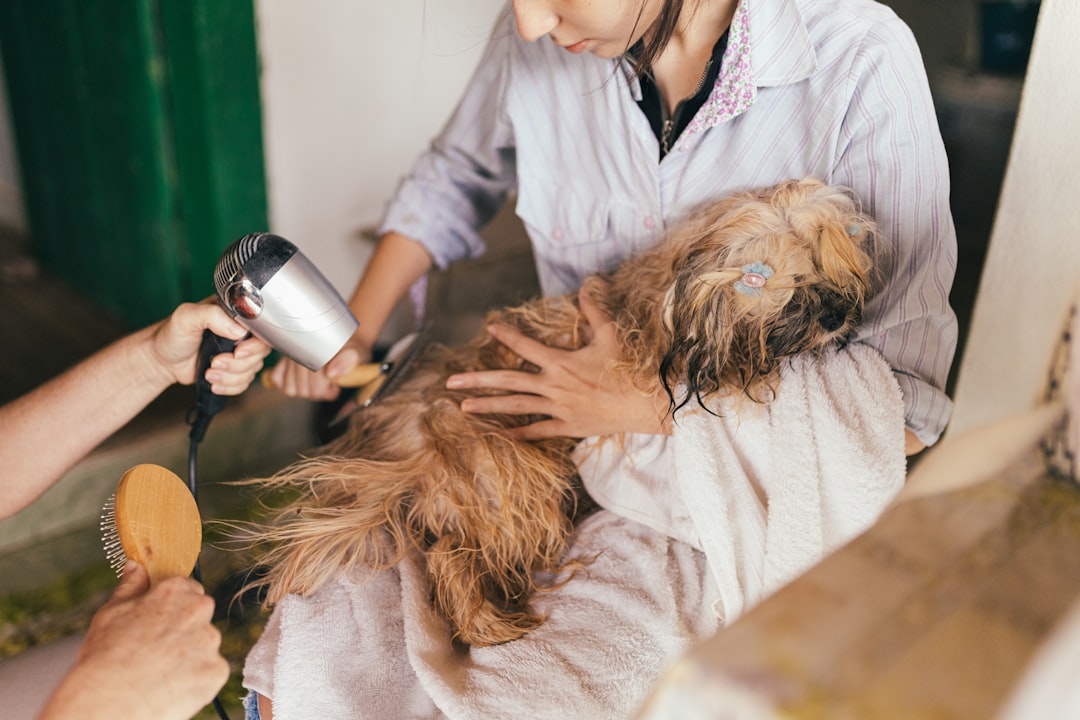
Ultimate Guide to At-Home Pet Grooming: Tools, Tips, and Trends for Stress-Free Care
Discover how to confidently groom your pet at home using the right tools, gentle techniques, and the latest trends to keep your furry friend healthy and happy while reducing stress for both of you.
Estimated Reading Time
12 minutes
Key Takeaways
- Choosing grooming tools tailored to your pet’s coat type is essential for comfort and effectiveness.
- Behavioral strategies like gradual introduction and positive reinforcement can reduce grooming anxiety.
- Hypoallergenic, pet-safe shampoos and gentle bathing practices protect your pet’s sensitive skin.
- At-home grooming markets are booming, fueled by technological advances and DIY trends.
- Professional grooming services complement at-home care and remain important for specialized needs.
Table of Contents
- Introduction to At-Home Pet Grooming
- Picking the Perfect Grooming Tools for Your Pet's Fur
- Behavioral Strategies to Reduce Grooming Stress
- Nail Care Alternatives and Training for Stress-Free Maintenance
- Stress-Free Bathing with Hypoallergenic Grooming Products
- The Thriving Market of At-Home Pet Grooming Products
- How Technology and AI Are Revolutionizing Pet Grooming Education
- Why Professional Grooming Services Remain Vital
- Tips for Successful At-Home Grooming: A Quick Checklist
- Concluding Thoughts: Embracing At-Home Pet Grooming for Health and Harmony
1. Introduction to At-Home Pet Grooming
With the rise of pet ownership, at-home pet grooming has become a vital part of keeping pets healthy and happy. Beyond aesthetics, grooming helps foster a stronger bond between you and your furry friend. Starting with the right tools and learning effective methods ensures grooming remains safe and stress-free for both pets and owners. As the pet grooming industry is booming—valued at $9.1 billion in 2023 and projected to almost double by 2032—more pet parents are embracing DIY care supported by quality products and education.
2. Picking the Perfect Grooming Tools for Your Pet's Fur
Selecting the appropriate grooming tools tailored to your pet’s coat type is critical for an effective and comfortable grooming session.
Significance of Correct Tool Selection
- Different fur textures – curly, silky, double coats, or short hair – require specialized brushes and combs to prevent discomfort or skin irritation.
- Avoid human grooming products; pets have different pH levels and skin sensitivities, so choose hypoallergenic and pet-specific options.
- Using pet-focused products helps prevent allergies and keeps sensitive skin healthy.
Tools for Various Coat Types
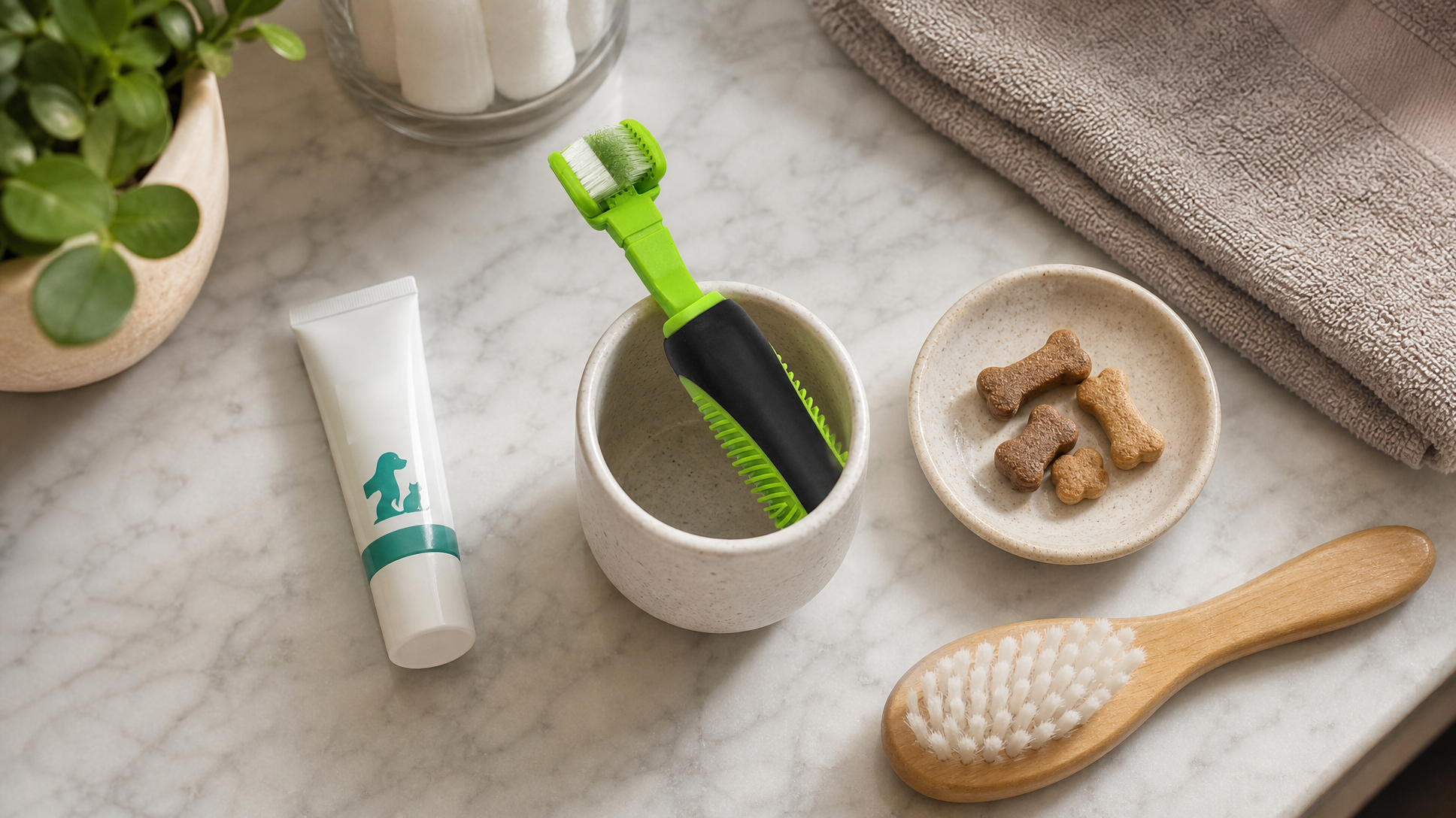
- Short-haired pets: Slicker brushes and fine-tooth combs remove loose fur and dirt effectively.
- Longhair or curly-coated pets: Pin brushes and de-matting combs prevent tangles and mats.
- Double-coated breeds: Undercoat rakes help shed dense fur during seasonal changes.
- Nail care: Use pet-specific nail clippers or grinders like Dremel tools for safe trimming.
- Bath time: Choose plant-based, gentle, hypoallergenic shampoos made expressly for pets.
Investing in Quality Tools
With over 81% of dog owners and 76% of cat owners owning grooming tools, the market for pet grooming equipment is thriving. Opt for ergonomic designs tailored to pets to ensure comfort and safety. Explore detailed guidance on choosing tools for different coat types at Adobe Animal Hospital's Grooming Safety.
3. Behavioral Strategies to Reduce Grooming Stress
Grooming can be stressful, especially for pets with past negative experiences or sensitivity. Using careful behavioral techniques can turn grooming into a calm and positive experience.
Gradual Introduction and Positive Reinforcement
- Introduce grooming tools slowly; allow your pet to sniff and explore them without pressure, offering treats to build positive associations.
- Begin by gently stroking or massaging your pet’s fur by hand, transitioning gradually to brushes or clippers.
- Break grooming into small, manageable sessions, such as trimming a few nails at a time, to avoid overwhelming your pet.
Alternatives for Brushing-Resistant Pets
- Massage the fur gently with your hands to stimulate circulation and remove loose hairs.
- Try soft grooming mitts or rubber curry brushes for sensitive or resistant pets.
Calming Bath Time Techniques
- Use shallow, lukewarm water to avoid shock and help your pet acclimate.
- Rinse carefully using a washcloth or cup to protect eyes and ears.
- Distract your pet by placing treats on the bath walls.
- Towel dry slowly, then use a gentle blow dry on low heat to prevent irritation.
For deeper tips on treats and gradual exposure, see Lollypop Farm's Grooming Tips.
4. Nail Care Alternatives and Training for Stress-Free Maintenance
Nail trimming can be intimidating but is essential for your pet’s comfort. Using safe tools and innovative training reduces stress during this task.
Safe Nail Trimming Tools
Use pet-specific clippers or grinders with safety features like guards to protect the quick. Tools such as the Dremel pet nail grinder minimize noise and vibration, making trimming more comfortable.
Opting for Natural Nail Wear
Exercise on hard surfaces like concrete helps wear down nails naturally, but less active pets or those with softer nails may still require trimming.
Innovative Nail Care Training
- Use sandpaper on a cookie sheet combined with treats to create positive nail filing experiences.
- Reward-based training to desensitize pets to paw touching makes nail trim sessions easier.
Learn about anxiety-reducing one-on-one sessions at Dogi’s Mobile Grooming.
5. Stress-Free Bathing with Hypoallergenic Grooming Products
Bathing is vital for hygiene but can be stressful if not handled gently. The use of hypoallergenic shampoos and calm techniques promotes healthy skin without anxiety.
Choosing the Right Shampoo
- Select plant-based, pet-safe shampoos formulated for sensitive skin, free from harsh chemicals.
- About 30% of new pet shampoos introduced are hypoallergenic, reflecting growing demand for gentle formulas.
Bathing Best Practices
- Start with shallow, lukewarm water, allowing pets to get used to it.
- Rinse shampoo off gently using a cup or washcloth to avoid stress and protect sensitive areas.
- Distract pets with treats placed on bath walls.
- Towel dry carefully and finish with a low-heat blow dry to prevent irritation.
For expert fear-free bathing services, visit Patrick’s Pet Care in Washington, D.C.
6. The Thriving Market of At-Home Pet Grooming Products
Rising pet ownership and economic factors have accelerated demand for at-home grooming solutions, driving significant market growth and innovation.
- The global pet grooming products market reached nearly $14.7 billion in 2024 and is expected to hit $21.1 billion by 2030.
- Home-use grooming tools accounted for over $1 billion in 2024 with projections to exceed $2.7 billion by 2034.
- More pet parents gravitate toward safe, easy-to-use DIY grooming product lines.
Explore detailed market insights at Grand View Research – Pet Grooming Products Market.
7. How Technology and AI Are Revolutionizing Pet Grooming Education
AI and digital platforms offer personalized grooming education, making professional advice and tutorials accessible anytime to pet owners.
AI-Powered Learning Tools
- Platforms like Dogtopia and the Wiggly app deliver customized grooming tutorials and scheduling tools tailored to pet coat type and temperament.
- AI personalizes learning, improving skills and confidence.
Online Courses and Digital Resources
- Dremel’s pet nail trimming course attracted over 50,000 users in just five months highlighting the demand for expert guidance.
- Video tutorials, live Q&A sessions, and virtual consultations help perfect grooming techniques conveniently at home.
Discover AI-enhanced platforms at Dremel Pet Grooming.
8. Why Professional Grooming Services Remain Vital
Although at-home grooming grows in popularity, professional groomers remain essential for many pets and owners.
Increased Demand and Specialized Services
- U.S. professional grooming service demand doubled from 6% in 2018 to 12% in 2024.
- Fear-free, specialized grooming environments are expanding, such as Bable Pet in Brazil.
- Subscription services like Purrfect Pet Grooming offer comprehensive, scheduled care including baths, haircuts, nails, and teeth cleaning.
Enhancing DIY Care with Professional Expertise
Experts encourage blending professional grooming with at-home sessions to maintain optimal pet health and comfort. Learn about holistic grooming at Pooch & Kitty Pet Specialty.
9. Tips for Successful At-Home Grooming: A Quick Checklist
- Understand your pet's coat type to select appropriate tools.
- Use pet-safe, plant-based shampoos and grooming products.
- Reward positive behavior with treats and praise during grooming.
- Take it slow; gradually introduce grooming tools to build trust.
- Use distractions like treats and gentle massages to ease anxiety.
- Maintain a regular grooming schedule to prevent problems.
- Leverage online courses and apps to boost your skills.
- Know when to seek professional grooming for complex needs.
10. Concluding Thoughts: Embracing At-Home Pet Grooming for Health and Harmony
At-home grooming is more than a trend—it’s a proactive approach to sustaining your pet’s well-being and deepening your relationship. With the right tools, gentle behaviors, and educational technology backing your efforts, you can confidently care for your pet at home. Combining these practices with expert professional grooming ensures your pet receives the best of both worlds.
To browse high-quality grooming accessories curated for your pet’s unique needs, visit Petocart.
Frequently Asked Questions (FAQ)
Q1: How do I choose the right brush for my pet?
Selecting the right brush depends on your pet’s coat type. Use slicker brushes for short hair, pin brushes and de-matting combs for long or curly coats, and undercoat rakes for double-coated breeds to manage shedding effectively.
Q2: How can I reduce my pet’s stress during grooming?
Introduce grooming tools gradually, use treats for positive reinforcement, keep sessions short, and use soft grooming mitts or gentle massage techniques to help calm your pet.
Q3: Are there alternatives to nail clipping for nervous pets?
Yes, you can use nail grinders with safety guards or encourage natural nail wear through regular exercise on hard surfaces. Additionally, reward-based training can help pets become more comfortable with nail handling.
Q4: What type of shampoo should I use for sensitive skin?
Use pet-safe, plant-based, hypoallergenic shampoos that avoid harsh chemicals. These formulations help protect sensitive skin and minimize allergic reactions.
Q5: When should I opt for professional grooming instead of at-home care?
Professional grooming is advisable for complex tasks like coat clipping, detangling severe mats, or dental care, and for pets with anxiety that makes home grooming difficult. It also provides expert care that supplements your at-home routine.