Cart
0
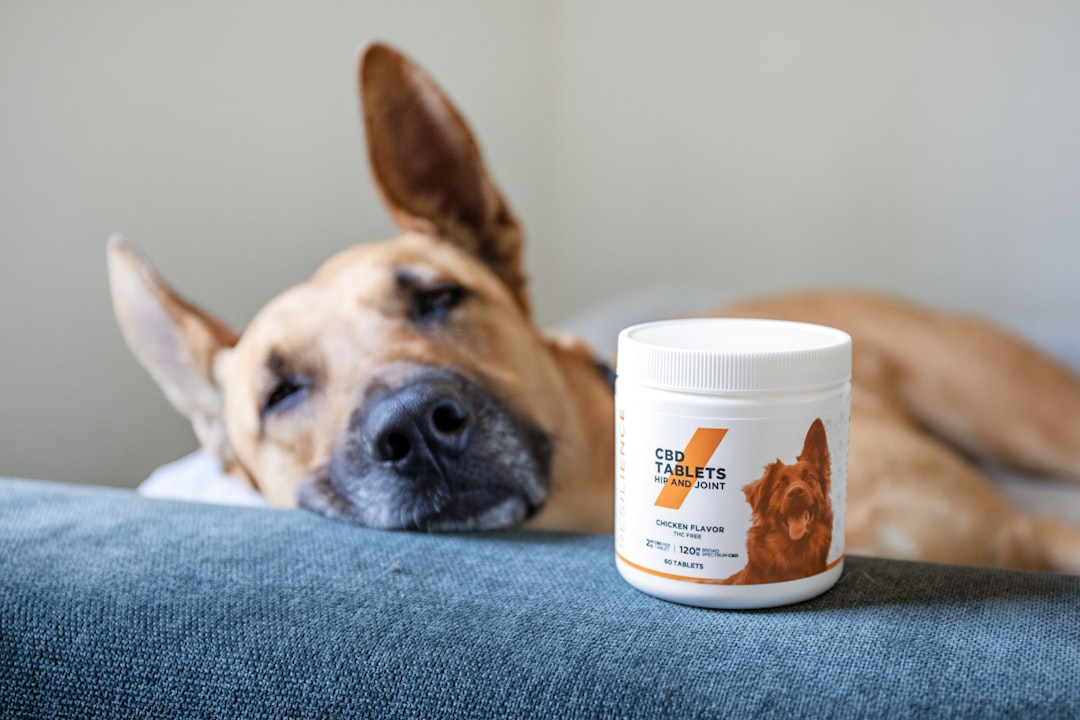
Nutrition and Supplementation: Maintaining Your Pet's Health
Ensuring your pets receive balanced nutrition alongside responsible supplementation is key to their vitality, longevity, and happiness. This guide explores the foundations of pet nutrition, strategic supplement use, and expert advice to help you nurture your furry companions effectively.
Key Takeaways
- Balanced diets tailored to your pet’s species, breed, and life stage often make supplements unnecessary.
- Certain supplements like glucosamine, omega-3 fatty acids, antioxidants, probiotics, and SAM-e support specific health needs when used responsibly.
- Consulting your veterinarian before adding supplements ensures safety, appropriate dosing, and effectiveness.
- Hydration and feeding routines are critical components of overall pet wellness.
- Beware of unregulated supplements; choose products with quality assurances such as third-party testing or NASC certification.
Table of Contents
- Understanding Your Pet's Nutritional Needs
- 1. The Role of a Balanced Diet in Pet Wellness
- 2. Nourishing Supplements for Pets: Making Informed Choices
- 3. Navigating Risks, Regulations, and Vet Advice on Supplementation
- 4. The Profound Impact of Nutrition on Behavior and Lifespan
- 5. Hydration: The Often Neglected Aspect of Pet Well-being
- 6. Optimal Feeding Practices to Harmonize with Nutritious Diets
- 7. Nirvana in Nourishment: Responsible Supplementation for Your Furry Companions
- FAQ
Understanding Your Pet's Nutritional Needs
Proper nutrition forms the cornerstone of your pet’s health. From playful puppies and kittens to senior pets, ensuring a diet rich in essential proteins, fats, vitamins, and minerals promotes immunity, coat health, joint strength, and cognitive function. While supplements can help address specific gaps, they should complement—not replace—a complete, species-appropriate diet prepared with expert guidance. Learn more at this informative resource.
1. The Role of a Balanced Diet in Pet Wellness
Meeting your pet's nutritional requirements depends on factors like their species, breed, age, and health condition. Balanced diets support:
- Immune system robustness
- Healthy skin and shiny coats
- Joint strength and mobility
- Mental and emotional well-being
- Growth and development
Supplements Often Become Redundant When Diet is Balanced
Pets on high-quality commercial or properly formulated homemade diets usually do not need supplements. Incorrect supplementation might pose risks. Exceptions include:
- Growing puppies and kittens needing extra nutrients
- Senior pets benefiting from joint or cognitive support
- Pets with medical conditions requiring tailored nutrition
- Pets on homemade or unbalanced diets needing supplementation
Always prioritize diets adhering to veterinary nutritional standards.
2. Nourishing Supplements for Pets: Making Informed Choices
Glucosamine and Chondroitin: Joint Health Favorites
Widely used for arthritic dogs and pets prone to joint issues, these supplements may promote cartilage repair and reduce inflammation. They are particularly beneficial for seniors and those genetically predisposed. Prolonged use and veterinary consultation for dosage are key, as efficacy varies.
Omega-3 Fatty Acids (Fish Oil): Multifold Benefits
Omega-3s like EPA and DHA offer anti-inflammatory benefits improving skin, coat, joints, brain, and heart health. Ideal for pets with dry skin, arthritis, or cognitive decline. Dosage monitoring is important to avoid side effects. Product quality and sourcing should be vetted with your vet’s guidance.
Antioxidants: Combatting Aging Symptoms and Inflammation
Antioxidants such as vitamins E & C, selenium, and polyphenols protect against oxidative damage linked to aging and chronic disease. They can support immunity and delay aging effects but must be dosed carefully to prevent toxicity. Seek vet advice for safe use.
Probiotics: Gut and Immune System Support
Beneficial bacteria in probiotics aid digestive health and immune regulation, especially useful after antibiotics or digestive upset. Not all pets require probiotics, so veterinary recommendations are essential to determine suitable strains and dosages.
SAM-e: Liver Function Empowerment
S-adenosylmethionine supports liver detoxification and reduces inflammation, helping pets with liver disease or toxin exposure. Usage must follow precise diagnostics and veterinary prescriptions.
For a detailed scientific overview, consult resources such as this review and Vetster insights.
3. Navigating Risks, Regulations, and Vet Advice on Pet Supplementation
Unlike prescription medications, pet supplements lack stringent FDA regulation, opening risks such as:
- Inconsistent product quality
- Potential contamination or undisclosed ingredients
- Adverse reactions or drug interactions
- Misleading health claims
Some human supplements contain toxic additives for pets (e.g., xylitol), so vet consultation is critical.
“Veterinarians provide vital, evidence-based recommendations and monitor supplement safety and efficacy tailored to your pet.”
Choose supplements from reputable sources preferably certified by organizations like the NASC. For safety profiles, explore Consumer Reports and Puppy Longevity.
4. The Profound Impact of Nutrition on Pet Behavior and Lifespan
Nutrition impacts not just physical health but mood, cognition, and life expectancy:
- Supports brain health and reduces anxiety
- Prevents behavior issues like irritability or hyperactivity caused by nutrient imbalances
- Maintains energy and agility
- Strengthens immune defenses against infections and chronic diseases
Investing in nutrition ensures your pet’s happiness and quality of life.
5. Hydration: The Often Neglected Aspect of Pet Well-being
Water is fundamental for digestion, temperature regulation, toxin removal, and metabolism. Yet, it is often overlooked.
Tailored Advice for Cats
Cats naturally drink less, increasing urinary tract risks. Help them stay hydrated by offering wet foods, multiple clean water sources, and fresh water at all times.
Strategies for Optimizing Hydration
- Ensure constant access to clean water
- Introduce wet diets or nourishing broths
- Monitor drinking habits and alert your vet to any changes
6. Optimal Feeding Practices to Harmonize with Nutritious Diets
A consistent feeding routine supports metabolism and behavior, preventing obesity or deficiencies.
- Feed according to your pet’s weight, activity, and age
- Maintain a disciplined schedule
- Vary protein sources in treats or homemade meals for broad nutrition
- Avoid toxic human foods like chocolate, grapes, or onions
- Regularly assess your pet’s weight and body condition to adjust portions
7. Nirvana in Nourishment: Responsible Supplementation for Your Furry Companions
By dedicating attention to balanced diet, hydration, feeding, and selective supplementation, you foster robust health, lively behavior, and a longer, happier life for your pets. Supplements serve as targeted aids — never substitutes — in care. Always seek your veterinarian’s expertise before beginning any supplement regimen to ensure safety and efficacy. Quality products and proper usage position your pet for thriving through every life stage.
Support your pet's well-being by exploring high-quality supplies at Petocart, where loving care meets premium products.
FAQ
When do pets actually need supplements if on a balanced diet?
Supplements are usually only necessary for growing puppies/kittens, senior pets, pets with specific medical issues, or those on homemade/unbalanced diets. Most healthy pets on quality commercial diets do not require additional supplements.
Are human supplements safe for pets?
Many human supplements contain ingredients toxic to pets, such as xylitol. Always consult a veterinarian before giving any human or over-the-counter supplements to pets.
How can I encourage my cat to drink more water?
Offer wet canned food, place multiple fresh water bowls around the home, consider pet water fountains, and add broth to meals to help increase fluid intake.
What should I look for in pet supplements?
Look for products with third-party testing, certifications like the NASC seal, and consult your vet to ensure the supplement is appropriate and safely dosed for your pet’s needs.
Can supplements replace veterinary treatments?
No. Supplements are meant to complement standard veterinary care and should never replace prescribed treatments or medications.