Welcome Offer : Use Code WELCOME5 for 5% OFF your first order!
Free Shipping Across the USA
Welcome Offer : Use Code WELCOME5 for 5% OFF your first order!
Free Shipping Across the USA
Welcome Offer : Use Code WELCOME5 for 5% OFF your first order!
Free Shipping Across the USA
Welcome Offer : Use Code WELCOME5 for 5% OFF your first order!
Free Shipping Across the USA
Welcome Offer : Use Code WELCOME5 for 5% OFF your first order!
Free Shipping Across the USA
Welcome Offer : Use Code WELCOME5 for 5% OFF your first order!
Free Shipping Across the USA
Welcome Offer : Use Code WELCOME5 for 5% OFF your first order!
Free Shipping Across the USA
Welcome Offer : Use Code WELCOME5 for 5% OFF your first order!
Free Shipping Across the USA
Welcome Offer : Use Code WELCOME5 for 5% OFF your first order!
Free Shipping Across the USA
Welcome Offer : Use Code WELCOME5 for 5% OFF your first order!
Free Shipping Across the USA
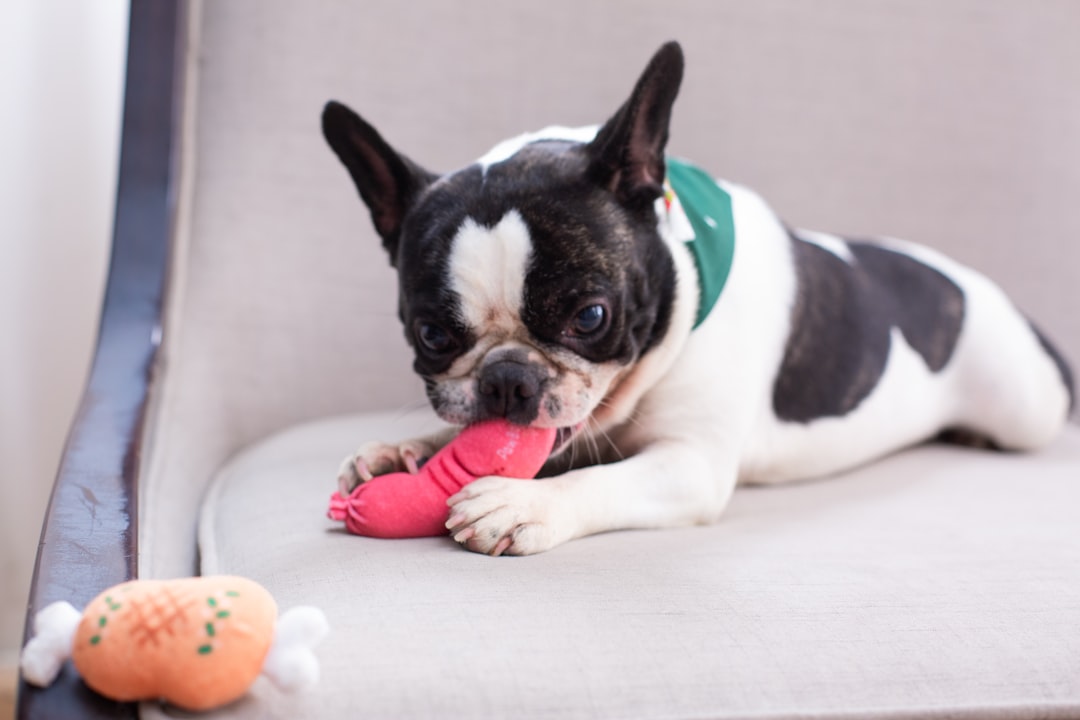
Many pet owners underestimate how crucial chewing is for a dog’s oral and mental health. Chewing naturally helps strengthen your dog’s jaws, remove plaque and tartar, and massage gums to boost circulation. It also offers vital mental stimulation that can alleviate stress and reduce destructive behaviors.
How Chewing Supports Healthy Teeth and Gums
Plaque and Tartar Reduction: Helps remove food debris and plaque beyond what brushing alone can reach.
Gum Massage: Textured surfaces improve gum health and blood flow.
Manage Bad Breath: Reduces bacteria by limiting plaque buildup.
“Regular chewing offers both dental and behavioral benefits, making it an essential part of your dog’s daily routine.”
Nonetheless, chew toys complement but do not replace professional dental care and brushing.
2. Choosing Safe and Effective Chew Toys for Dental Care
With countless chew toys on the market, making the right choice ensures your dog's dental benefits without compromising safety. Consider these factors:
Key Factors to Consider When Selecting Dental Chew Toys
Material Safety and Durability
Choose durable yet flexible rubber toys like the KONG Classic that withstand aggressive chewing without damaging teeth.
Textured nylon chews such as Nylabone and Benebone scrape plaque effectively.
Avoid hard objects like rocks, real bones, or tennis balls that can cause fractures or pose swallowing hazards.
Size and Shape Appropriate for Your Dog
Select a size that prevents choking; larger dogs need bigger, tougher toys.
Puppies and dogs with sensitive teeth require softer, flexible options to avoid discomfort.
Flavor and Engagement
Natural flavors like chicken, bacon, or peanut butter encourage chewing.
Ensure flavorings are non-toxic and safe for pets.
Inspect toys for wear and damage frequently to prevent ingestion of small pieces.
VOHC Seal of Acceptance
Opt for products bearing the Veterinary Oral Health Council seal, guaranteeing scientific effectiveness in reducing plaque and tartar.
Recommended Types of Dental Chew Toys
Durable Rubber Chews: Great for aggressive chewers and can be stuffed with treats for mental engagement (e.g., KONG Classic).
Textured Nylon Chews: Toys like Nylabone DuraChew and Benebone Wishbone polish teeth with ridges and knobs.
Rope Toys: Can floss teeth during chewing but should be high-quality and supervised to avoid ingestion of fibers.
Dental Treats with Unique Textures: Products like WHIMZEES use shapes that massage gums and reduce plaque while tasting good.
Soft Chews for Puppies and Sensitive Dogs: Specifically designed to be gentle on teeth and gums.
For more information on vet-recommended chew toys and treats, visit the ASPCA position statement.
FAQ
Q1: Can chew toys replace brushing my dog’s teeth?
Chew toys are a helpful supplement but should not replace regular tooth brushing and professional dental checkups. They assist in reducing plaque but don’t clean as thoroughly as brushing.
Q2: How often should I replace my dog's chew toys?
Replace chew toys as soon as they show significant wear or damage to avoid choking hazards and ingestion of small pieces.
Q3: Are flavored chew toys safe for all dogs?
Yes, as long as the flavors come from natural, non-toxic sources. Always verify ingredients and consult your vet if your dog has allergies or sensitivities.
Q4: What chew toys are best for puppies?
Soft, flexible chew toys or specially designed dental toys for puppies are best, as they protect sensitive developing teeth and gums.