Cart
0
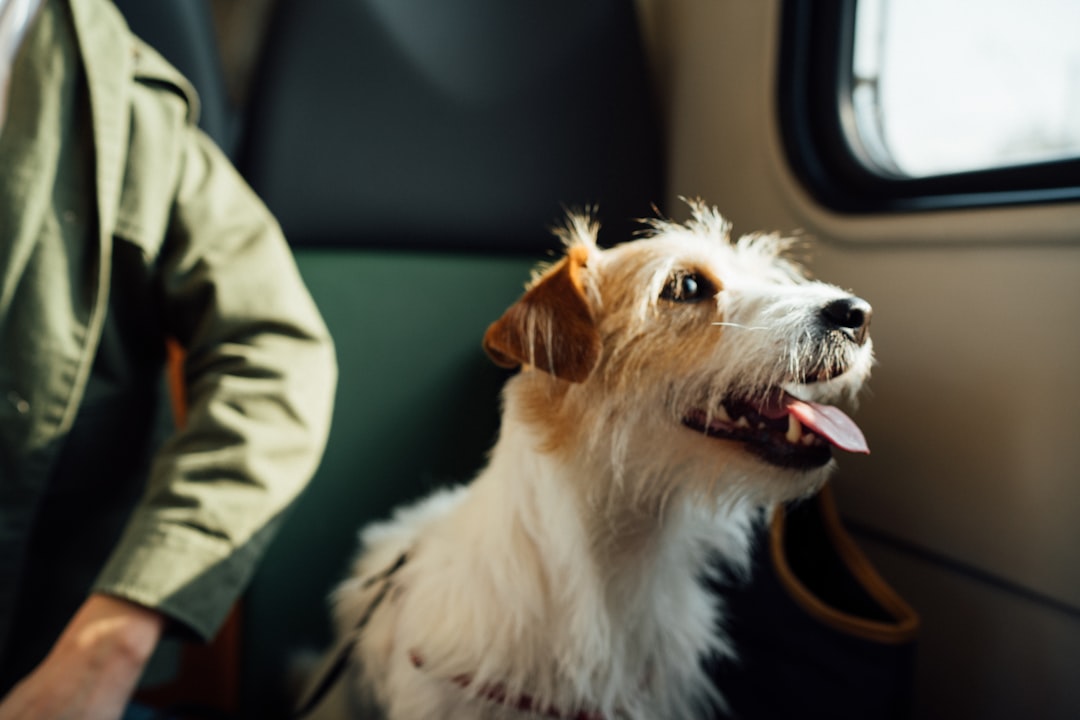
Traveling with your pet can be a joyful adventure when safety, comfort, and legal compliance come first. This guide covers essential tips for identification, car and air travel precautions, anxiety management, emergency preparedness, and regulatory insights to ensure every journey is happy and stress-free.
Safe and Stress-Free Travel with Pets: Essential Tips for Every Journey
Key Takeaways
- Ensure your pet is properly identified with microchips and collars before travel.
- Use crash-tested harnesses or carriers for safe car and air transportation.
- Start international travel documentation 4 to 6 months in advance to avoid delays.
- Prepare your pet gradually to reduce travel anxiety; consult your vet for medication if needed.
- Pack comprehensive emergency kits including food, water, medication, and records.
- Include pets in emergency evacuation plans with labeled supplies and practiced loading routines.
- Stay informed on airline and country-specific regulations for pet travel compliance.
Table of Contents
- Pet Identification and Travel Documents
- Car Travel Safety for Pets
- Air Travel Precautions
- Managing Pet Anxiety
- Emergency and Evacuation Preparedness
- Understanding Regulatory Compliance
- Final Thoughts
- FAQ
1. Pet Identification and Travel Documents: What You Must Know
Proper identification and documentation are crucial to prevent mishaps and facilitate reunions if your pet gets lost during travel.
Importance of Microchipping and Collars
- Microchipping offers a permanent identification method required for international travel.
- Ensure your pet’s collar shows updated contact information.
- Use temporary travel tags with both home and destination phone numbers.
- Double-check contact details just before departure to avoid out-of-date info.
These steps facilitate quick reunions and reduce travel stress significantly.
Travel Documentation for International Trips
International pet travel requires advance planning, certified paperwork, and veterinary coordination:
- Valid rabies vaccination certificate (administered ≥21 days before travel).
- USDA-endorsed export health certificate from an accredited vet.
- Destination country import permits or specialized certificates.
- Microchip documentation compliant with ISO 11784/11785 standards.
Remember that the CDC manages pet importation into the United States and enforces vaccination and documentation rules.
Tip: Begin this process 4 to 6 months before your trip to avoid delays.
See more at USDA pet export requirements.
2. Car Travel Safety for Pets: How to Secure Your Companion
Driving safely with your pet protects both your furry friend and human passengers. Unrestrained pets are dangerous projectiles in crashes.
Why Restraint Matters
- Crash-tested harnesses or carriers minimize injury risk.
- Use harnesses that attach directly to seatbelts; avoid belt extenders.
- Hard-sided carriers should be placed on the floor behind front seats to reduce motion.
Recommended Crash-Tested Harnesses and Carriers
Choose products verified by the Center for Pet Safety:
- Sleepypod Clickit Sport Harness: CPS 5-star rating; secure double-loop straps compatible with standard seatbelts.
- Kurgo Impact Harness: Crash-tested up to 4,000 pounds; no belt extenders needed.
- Ruffwear Load Up Harness: Padded belly panel; easy seatbelt loop installation.
- Sleepypod Mobile Pet Bed: CPS 5-star rated crate and bed combo for comfort.
- Cabela’s GunDog Crate: Rugged and stable with reinforced straps.
Avoid Dangerous Practices
- Never allow your pet to hang its head out the window due to risk of debris and UV damage.
- Avoid placing carriers unsecured on seats; floors provide greater stability.
- Do not trust untested harnesses; only use products with verified crash-test results.
Browse tested options at CPS-approved harnesses.
3. Air Travel Precautions: Preparing Your Pet for the Skies
Air travel can be stressful and risky, especially if pets must fly in cargo. Opt for in-cabin travel whenever possible.
In-Cabin Travel Recommendations
- Use airline-approved carriers meeting IATA CR3 standards.
- Ensure pet has enough room to stand, turn, and lie down comfortably.
- Add familiar blankets or toys to help calm your pet.
Cargo Travel Risks and Considerations
- Choose airlines with strong records for pet safety.
- Use crash-tested crates with reinforced sides and secure fastenings.
- Label crates clearly with contact info and “Live Animal” notices.
Documentation and Timing
- Confirm airline and country requirements at least six months before departure.
- Complete and verify rabies vaccinations and health certificates early.
- Remember: rabies vaccines must be administered at least 21 days prior to travel.
Consider ground transport if your pet is highly sensitive or travel risks are too high.
More details at Official IATA pet travel info.
4. Managing Pet Anxiety: Comfort and Calm for Stress-Free Travel
Travel can provoke anxiety in pets. Preparation and comfort-focused gear help minimize stress.
Preparing Your Pet Ahead of Time
- Introduce the carrier or crate weeks before travel.
- Take short drives to build tolerance and reduce motion sickness.
- Bring your pet’s favorite toys or blankets for familiarity.
Consultation and Medication
Veterinarians may recommend:
- Trazodone: Reduces travel-related stress.
- Gabapentin: Helps with anxiety and motion sickness.
Always test medications well before your trip to adjust dosage and detect side effects.
Comfort-Oriented Harnesses and Gear
Choose padded, crash-tested harnesses like the EzyDog Drive or AllSafe Comfort that reduce chafing during extended travel.
Pet Emergency Kits
- Food and bottled water for 3 to 7 days.
- Medications in original packaging.
- Leashes, harnesses, collars, and muzzles.
- Copies of medical and vaccination records.
- Familiar bedding or toys for comfort.
- Waste bags, wipes, and cleaning supplies.
For detailed checklists, visit the American Red Cross pet emergency checklist.
5. Emergency and Evacuation Preparedness: Including Pets in Your Plan
Integrate your pets into every emergency plan to avoid panic and ensure safety during disasters.
Crafting a Pet-Friendly Emergency Plan
- Identify pet-accepting emergency shelters, hotels, or trusted friends.
- Practice quickly loading pets into carriers or vehicles.
- Label emergency supplies clearly as “PET EMERGENCY KIT” and store accessibly.
Essential Contents for Pet Emergency Kits
- At least 3 days of food and water; 7 days preferred.
- Medications and updated veterinary records.
- Restraints: leashes, harnesses, muzzles.
- Comfort items such as blankets or favorite bedding.
- Waste disposal bags and cleaning wipes.
- Cash for emergencies where cards or ATMs may not work.
Multilingual Disaster Safety Checklists
Useful for travelers from different language backgrounds, here’s a quick reference:
| Item | English | Spanish |
|---|---|---|
| Rabies Vaccination | Rabies vaccination certificate | Certificado de vacunación antirrábica |
| Health Certificate | USDA/CDC health certificate | Certificado de salud USDA/CDC |
| Crash-Tested Harness | CPS-certified harness | Arnés certificado por CPS |
| Emergency Kit | Food, meds, records | Comida, medicamentos, registros |
Use trusted translation tools for destinations requiring French, German, or other translations.
More info at CDC pet disaster safety resources.
6. Understanding Regulatory Compliance for Pet Travel
Each country and airline enforces unique laws and requirements. Be thorough to avoid denied entry or quarantines.
U.S. Regulations: Export and Import
- The USDA's APHIS manages export health certificates.
- The CDC monitors rabies vaccination and import rules for dogs from high-risk countries.
International Rules to Know
- Rabies vaccines are mandatory at least 21 days before travel.
- Pets must have ISO-compliant microchips (11784/11785).
- Some countries require rabies titer tests or quarantine periods.
- Health certificates generally must be issued within 10 days of travel.
- Airlines follow IATA CR3 crate and carrier standards; non-compliance can cause denied check-in.
Planning Ahead
Regulations can change often. Check airline and government websites at least six months before travel to stay current.
See CDC dog importation requirements for detailed guidance.
7. Final Thoughts: Prioritize Safety and Comfort for a Happy Journey
Traveling with a pet requires deliberate preparation. Key points to keep in mind:
- Confirm all documentation and vaccinations well ahead of time.
- Only use crash-tested carriers and harnesses for transport.
- Keep car windows closed to protect pets’ eyes and ears.
- Work with your vet on anxiety management plans tested before travel.
- Carry a comprehensive emergency kit tailored to your pet’s needs.
- Include pets in evacuation and disaster planning with practiced routines.
- Monitor airline and destination rules months before departure.
Following these expert guidelines helps you enjoy safe, smooth, and unforgettable journeys with your four-legged companion.
For reliable, crash-tested pet travel gear, visit Petocart, your trusted source for safety and comfort.
FAQ
1. What is the most important identification method for pets traveling internationally?
Microchipping is essential and often mandatory for international travel, especially if ISO-compliant with standards 11784/11785.
2. How early should I start preparing documentation for international pet travel?
Begin the process 4 to 6 months before your trip to allow for vaccinations, health certifications, and regulatory approvals.
3. What type of pet restraint is safest for car travel?
Crash-tested harnesses that attach directly to the seatbelt or hard-sided carriers placed securely on the car floor are safest.
4. Can I medicate my pet for anxiety without veterinary advice?
No, consult your veterinarian before administering any anxiety medication to ensure safety and proper dosing.
5. Are there special regulations for flying pets in cargo?
Yes, cargo travel requires airlines and crates to meet IATA CR3 standards along with proper health certificates, vaccinations, and careful preparation.