Cart
0
Essential Holistic Pet Care: Daily Habits for Health, Happiness, and Longevity
Discover how a mindful, whole-body approach to pet care can elevate your dog or cat’s wellbeing — from balanced nutrition to emotional bonding, learn daily habits that nurture health, happiness, and longevity.
Key Takeaways
- Balanced nutrition tailored to your pet’s species, age, and health supports vitality and immunity.
- Regular daily exercise promotes physical fitness and reduces behavioral issues.
- Mental stimulation keeps pets engaged, confident, and emotionally balanced.
- Consistent grooming and preventive care enable early detection of health problems and strengthen bonds.
- Holistic veterinary care combined with complementary therapies supports whole-body wellness.
- Observing behavioral changes helps catch signs of stress or illness early.
- Emotional bonding enriches your pet’s quality of life and nurtures mutual trust.
- Long-term consistency in these habits can enhance longevity and overall wellbeing.
Table of Contents
- Introduction to Holistic Pet Care
- Balanced Nutrition: The Foundation
- Daily Exercise: Keeping Fit
- Mental Stimulation Every Day
- Grooming and Preventive Care
- Veterinary and Complementary Therapies
- Recognizing Behavioral Changes
- Emotional Bonding
- Longevity Strategies
- Conclusion: Embrace a Holistic Lifestyle
Introduction to Holistic Pet Care for Dogs and Cats
Caring for a pet goes far beyond meals and vet visits. Holistic pet care encompasses nurturing your dog or cat’s entire wellbeing — body, mind, and spirit. Whether you have a lively puppy or a senior cat, establishing daily routines that unify balanced nutrition, physical activity, mental enrichment, grooming, and emotional connection can greatly improve their quality of life.
This guide offers practical daily habits to promote your pet’s physical health, emotional balance, and vitality for years to come. From selecting nutritious foods to creating an engaging environment, monitoring behavior, and embracing preventive care, you’ll find strategies to elevate your holistic pet care approach. Enhance your routine by exploring helpful products at Petocart tailored for wellness and convenience.
1. Balanced Nutrition: The Foundation of Holistic Pet Health
Nutrition is the cornerstone of a vibrant life. Dogs and cats have different dietary needs, so customized feeding supports energy, immune function, and overall vitality.
- For Dogs: Provide diets rich in quality proteins and healthy fats to maintain lean muscles and immune health. Including fresh meats, fish oils (rich in omega-3 fatty acids), and whole-food ingredients can reduce inflammation and boost heart health.
- For Cats: As obligate carnivores, cats flourish on protein-centric meals reflecting their natural diet. Emphasizing real meat, organ meat, and minimally processed ingredients optimizes digestion and energy.
- Treats and Snacks: Use treats wisely and in moderation to avoid disrupting dietary balance. Choose nutritious, portion-controlled options that support the daily regimen.
Avoid exclusive reliance on dry kibble, which may lack diversity and essential nutrients. Enhance meals with lightly cooked or raw foods, fresh veggies, or supplements recommended by your veterinarian. Rotating proteins and recipes can prevent boredom and broaden nutritional intake.
For spill-free, engaging feeding, explore specialized feeders and bowls at Petocart.
2. Daily Exercise: Keeping Your Pet Active and Fit
Regular physical activity sustains your pet’s health and happiness by managing weight, strengthening cardiovascular health, and supporting joint function — especially important as pets age.
- Dogs: Engage in daily walks, fetch, tug-of-war, or agility training. Safe enclosed areas encourage exploration and freedom. Indoor toys offer activity alternatives during bad weather.
- Cats: Use interactive wands, climbing towers, laser pointers, and toys that encourage hunting instincts. Window perches and screened patios provide stimulating views.
Exercise helps reduce problems like excessive barking, scratching, or destructive chewing by releasing pent-up energy. For pets with mobility challenges, gentle therapies such as acupuncture or physiotherapy can increase comfort and flexibility.
Find durable toys and exercise gear to keep your pets moving safely at Petocart.
3. Mental Stimulation: Enrich Your Pet’s Mind Every Day
Mental challenges keep pets emotionally balanced and sharp. Boredom can lead to anxiety or destructive behavior, so daily enrichment is critical.
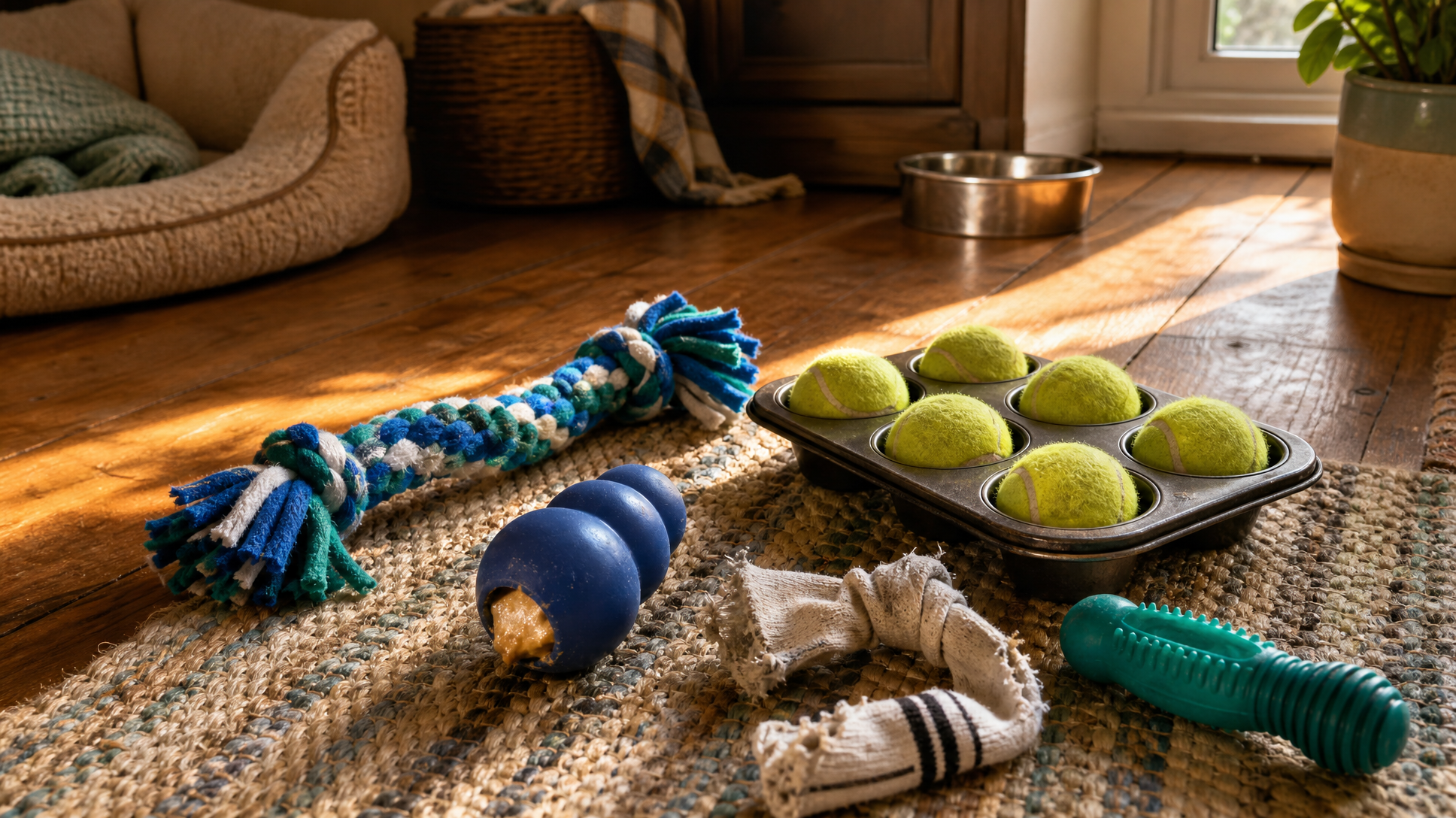
- Provide treat-dispensing puzzle toys to encourage problem-solving skills.
- Teach new tricks or reinforce commands during short, fun training sessions.
- Rotate toys for ongoing novelty and excitement.
- Introduce new tunnels or climbing structures, especially beneficial for curious cats.
These activities build confidence and allow pets to express natural instincts in healthy ways. For interactive toys, slow-feeders, and grooming gloves that deepen your bond, visit Petocart.
4. Grooming and Preventive Care: Building Health Through Daily Routines
Daily grooming is a health ritual that promotes skin and coat wellness, while giving you the chance to monitor your pet closely.
- Brushing spreads natural oils and removes dirt and tangles.
- Early detection of parasites, lumps, or wounds is easier during grooming.
- Grooming sessions provide calming touch to reduce stress.
Combine grooming with regular veterinary checkups, vaccinations, dental care, and parasite control to prevent serious health issues. Use grooming tools suited to your pet’s coat and breed — such as soft brushes and detangling combs — available through Petocart’s grooming collection.
5. Veterinary Care and Complementary Therapies: A Whole-Body Approach
Routine veterinary visits provide essential preventive care, including vaccinations, dental cleaning, and health screenings. A holistic approach also embraces complementary therapies that support your pet’s wellbeing alongside conventional medicine.
- Acupuncture for chronic pain or anxiety relief.
- Laser therapy to accelerate wound healing and reduce inflammation.
- Herbal remedies supporting immunity and digestion.
- Chiropractic care improving mobility and comfort.
Work closely with a vet who designs individualized, whole-body care based on your pet’s lifestyle and medical conditions.
6. Recognizing Behavioral Changes: Early Detection of Stress and Illness
Behavior offers one of the clearest insights into your pet’s health. Sudden changes may indicate pain, emotional strain, or illness. Early recognition leads to faster, more effective treatment.
- Watch for unusual energy levels — either hyperactivity or lethargy.
- Note shifts in appetite or drinking habits.
- Look out for aggression, social withdrawal, or persistent scratching or vocalizing.
Chronic stress harms digestion and immunity. Creating a calming environment with pheromone diffusers, cozy spaces, and gentle massages can reduce tension. Consistent routines help your pet feel safe. When in doubt, trust your instincts and consult your veterinarian promptly.
7. Emotional Bonding: Strengthening the Human-Pet Relationship
Your pet’s emotional wellbeing influences their physical health and resilience. Daily bonding nurtures trust and coping skills.
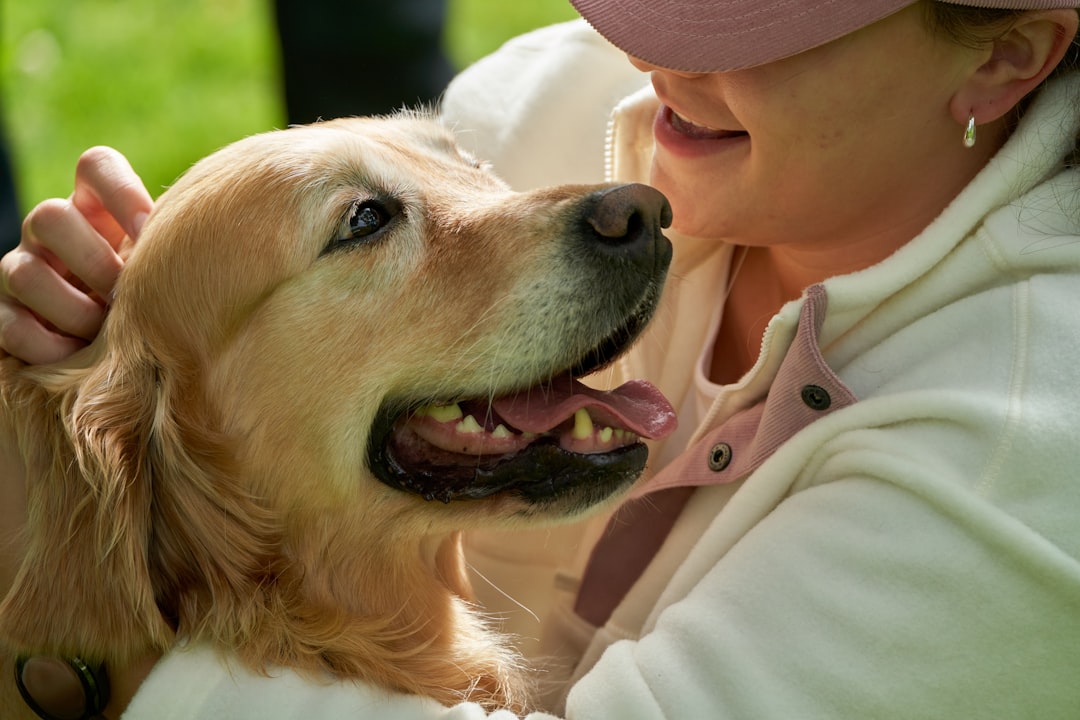
- Engage in gentle petting or brushing to relax and connect.
- Plan play sessions involving movement and eye contact.
- Speak gently to your pet and learn their body language.
- Create quiet rituals like cuddling or focused, undistracted time.
Fostering understanding of your pet’s unique personality strengthens your relationship and enriches their daily life. Consider cozy beds, blankets, and calming accessories from Petocart to support a comforting home.
8. Longevity Strategies: Putting It All Together for a Long, Healthy Life
Holistic care is the result of many small, consistent actions, including attentive nutrition, fitness, mental enrichment, grooming, and healthcare. These combined efforts extend your pet’s life while improving the quality of every shared moment.
- Stronger immunity and digestion.
- Improved mobility, skin, and coat health.
- Reduced behavioral challenges and stress.
- Greater emotional resilience and vitality.
Start by adopting one new habit at a time — maybe a fresh food, a daily brush, or an extra walk. Building lasting routines that adapt to your pet’s life stage is key. Find holistic wellness products customized for each phase of your pet’s journey at Petocart.
Conclusion: Embrace a Holistic Lifestyle for Your Pet’s Wellbeing
Holistic pet care means supporting your dog or cat’s physical, emotional, and mental health every day. Combining balanced nutrition, physical activity, mental challenges, grooming, healthcare, and love creates not just longevity, but a fulfilling, joyful life for your companion.
Regular veterinary visits and careful observation enable early intervention and greater comfort. With well-chosen tools and support from Petocart, you can provide thoughtful daily care confidently.
Every pet is unique. By tuning into their needs and personality, you build a deeply rewarding connection and a home filled with health and happiness.
For high-quality products supporting your holistic pet care commitment, visit Petocart and explore toys, treats, grooming essentials, cozy comfort items, and more. Your pet’s wellbeing is our priority.
FAQ
What does holistic pet care mean?
Holistic pet care focuses on nurturing the whole pet — body, mind, and spirit — rather than just treating disease. It combines balanced nutrition, physical exercise, mental stimulation, grooming, preventive veterinary care, and emotional bonding.
How often should I exercise my dog or cat?
Daily exercise is ideal. Dogs generally benefit from at least 30 minutes to an hour of activity, including walks and playtime. Cats need interactive play sessions several times a day to maintain fitness and mental engagement.
What types of food are best for cats and dogs?
Dogs thrive on diets high in quality proteins and healthy fats, including fresh meats and fish oils. Cats, as obligate carnivores, require protein-rich meals emphasizing real meats and minimal processing. Variety and vet-approved supplements help meet nutritional needs.
How can I tell if my pet is stressed or ill?
Look for behavioral changes such as unusual energy levels, appetite shifts, aggression, withdrawal, excessive scratching or vocalizing. Persistent changes warrant consultation with your veterinarian for early diagnosis and care.
Are complementary therapies safe for pets?
When performed by trained professionals and integrated with veterinary care, complementary therapies like acupuncture, laser therapy, and chiropractic adjustments can be safe and beneficial. Always discuss options with your vet first.