Cart
0

Explore creative, budget-friendly ways to foster learning and engagement for children and pets alike. This guide covers DIY educational toys made from recycled materials, choosing trusted early childhood care in Metro Vancouver, and crafting safe homemade puzzle toys to stimulate your dog’s mind.
Creative DIY Educational Toys for Children, Early Childhood Care in Metro Vancouver, and Safe Homemade Dog Puzzle Toys
Estimated reading time: 8 minutes
Key Takeaways
- DIY educational toys using recycled materials nurture creativity, fine motor skills, and problem-solving in children.
- Licensed early childhood care providers in Metro Vancouver, like Rainforest Learning Centre, offer safe, structured, and nurturing environments aligned with provincial standards.
- Homemade dog puzzle toys made from household items provide mental stimulation, reduce behavior issues, and strengthen pet-owner bonding.
- Celebrate the season with savings — get 5% off your order using code EXCLUSIVE5 at checkout
Table of Contents
- DIY Educational Toys for Children: Boost Creativity and Learning
- Early Childhood Care in Metro Vancouver: Choosing Licensed Private Preschools and Daycares
- DIY Enrichment Toys for Dogs: Safe and Stimulating Puzzle Toys
- FAQ
1. DIY Educational Toys for Children: Boost Creativity and Learning with Recycled Materials
Play is a powerful learning tool, especially when children create their own toys. Using recycled and household materials not only saves money but also fosters imagination, fine motor development, and problem-solving skills. These homemade toys encourage children to experiment and engage deeply with concepts like science and art in hands-on ways.
Why Choose Recycled Materials?
- Flexible Thinking: Items with versatile uses inspire creativity and open-ended play.
- Problem-Solving: Building and figuring out toy functions promote logical thinking and exploration.
- Fine Motor Skills: Activities such as tearing, threading, and painting develop hand-eye coordination.
Additionally, these projects introduce scientific concepts like gravity and chemical reactions, and artistic ideas including texture and color blending, all in an accessible manner.
Inventive DIY Toy Ideas Using What You Already Have
- Mint Tin Magnet Play: Convert an old mint tin into a compact magnet exploration kit using small magnetic objects.
- Bottle Cap Tic-Tac-Toe: Use cardboard for the board and painted bottle caps as pieces to develop strategic thinking.
- Slime Experiments: Mix glue and baking soda to create slime, teaching chemical reactions with tactile fun.
- Lettered Bean Bags: Fill small fabric bags with dried beans and label with letters or numbers to combine literacy and movement.
- Alphabet Rocks: Paint pebbles with letters to encourage word building and handwriting practice.
- Foamy Paint for Sidewalk Art: Mix shaving cream, soap, and food coloring for safe, washable outdoor painting.
- Bottle Bowling: Set up plastic bottles for bowling games to promote gross motor skills and balance.
- DIY Lava Lamps: Combine water, oil, food coloring, and fizzy tablets in a bottle to explore density and bubbling effects.
Involve Kids in the Making Process
Participation increases enthusiasm and learning:
- Discuss safety and appropriate materials.
- Explore different shapes, textures, and weights together.
- Ask questions like, “What could this cap become?” to stimulate thinking.
Safety Tips for Homemade Toys
- Mind Age Groups: Avoid small parts for toddlers.
- Smooth Edges: Sand or tape sharp surfaces.
- Use Non-Toxic Supplies: Only child-safe glue, paint, and colorants.
- Clean Materials: Wash reused containers thoroughly.
Always supervise children during playtime.
How Licensed Daycares Support DIY Learning
Many licensed daycares in Metro Vancouver—such as the Rainforest Learning Centre—embed creative, hands-on projects within their curriculum. These centres prioritize safety while fostering curiosity through exploration and discovery aligned with British Columbia’s Early Learning Framework.
Open weekdays from 7 a.m. to 6 p.m. across multiple locations including Langley, Coquitlam, and North Vancouver, Rainforest Learning Centre offers programs tailored to infants and preschoolers alike.
Learn more about their offerings here.
2. Early Childhood Care in Metro Vancouver: Choosing Licensed Private Preschools and Daycares
Selecting the right early childhood care provider is vital for your child’s growth and your peace of mind. Licensed private preschools in Metro Vancouver ensure regulated safety, enriching programs, and nurturing environments tailored to each child's developmental needs.
The Advantages of Licensed Private Preschools
- Regulated Safety Standards: Compliance with provincial health, hygiene, and staff qualification requirements.
- Developmental Programs: Curriculums combining play and structured learning to support emotional and cognitive growth.
- Small Group Sizes: More personalized attention enhances individual child progress.
- Convenient Hours: Extended care options accommodate working families’ schedules.
Spotlight on Rainforest Learning Centre
Rainforest Learning Centre stands out for its inquiry-based learning, skilled educators, and clean, safe environments. Open weekdays 7 a.m.–6 p.m. with locations in Langley, Coquitlam, and North Vancouver, it offers easy enrollment and strong family support.
Contact them directly for enrollment details: Rainforest Learning Centre Contact.
Other Metro Vancouver Preschool Options
- Nature-based and outdoor learning programs.
- Multilingual classrooms promoting culture and language diversity.
- Wellness-focused activities and nutritious meals.
Always confirm credentials, visit centres, and read reviews to find the best fit for your family.
3. DIY Enrichment Toys for Dogs: Safe and Stimulating Puzzle Toys from Household Materials
Much like children, dogs require mental stimulation to remain balanced and happy. DIY puzzle toys deliver engaging challenges, reduce undesirable behaviors, and cost far less than commercial products—all while strengthening your bond.
Why DIY Dog Puzzle Toys Work Wonders
- Mental Workout: Stimulate your dog’s brain with problem-solving tasks.
- Behavior Improvement: Regular mental activity reduces barking, whining, and destructive chewing.
- Physical Play: Encourage safe, indoor movement.
- Cost-Effective: Use materials on hand instead of buying expensive toys.
- Bond Building: Create and play together to enhance your relationship.
DIY Dog Puzzle Toy Ideas to Try
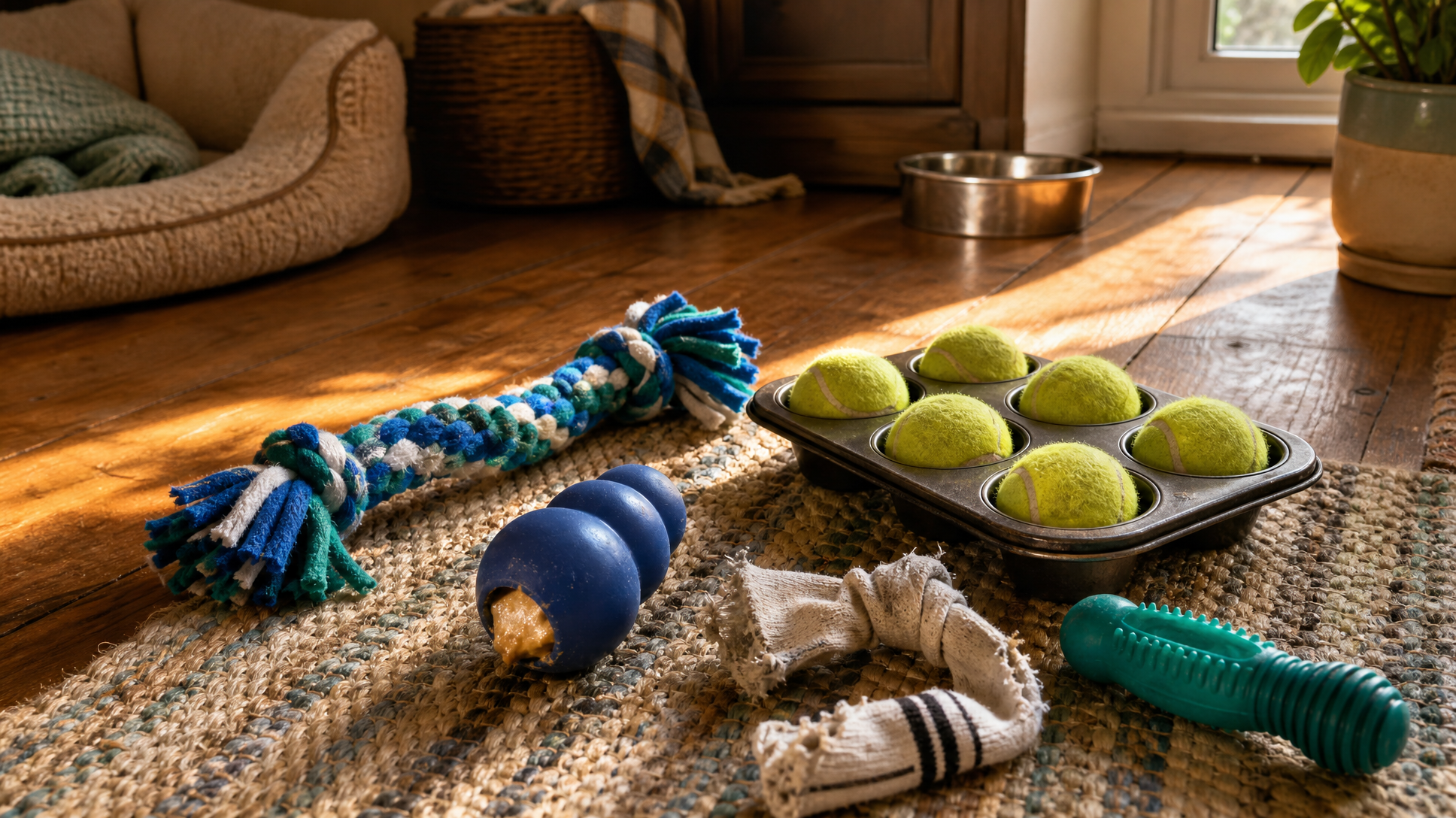
- Muffin Tin Treat Puzzle: Hide treats in a muffin tin and cover cups with tennis balls for your dog to uncover.
- Tennis Ball Treat Dispenser: Cut a slit in a tennis ball, stuff treats inside, and watch your dog figure out how to release them.
- Box Layer Puzzle: Stack empty boxes with treats hidden between layers to encourage sniffing and digging.
- Knotted Treat Rope: Tie treats inside rope knots for an interactive tug and chew challenge.
- PVC Tube Feeder: Drill holes in a capped PVC pipe, put treats inside, and let your dog roll it to dispense rewards.
- T-Shirt Wrapped Ball: Wrap a tennis ball in an old shirt and knot securely for safe tossing and chewing.
Safety First: Toy Guidelines for Dogs
- Supervise Play: Never leave dogs alone with homemade toys, particularly if they contain small or removable parts.
- Use Non-Toxic Materials: Ensure all items are clean and free of harmful substances.
- Inspect Regularly: Discard toys showing wear or damage.
- Avoid Choking Hazards: No small parts that can be swallowed.
- Consider Chewing Style: Reinforce toys or limit playtime for heavy chewers.
DIY puzzles are quick to make, customizable, and effective at meeting your dog’s natural foraging instincts—even indoors. Plus, they make playtime more meaningful and rewarding.
Discover more inspiration: Enjoyable Dogs: DIY Dog Enrichment, Bark.co: 9 DIY Dog Enrichment Toys.
FAQ
What materials are safest for DIY educational toys for toddlers?
Use child-safe, non-toxic supplies such as washable paints, natural fabrics, and thoroughly cleaned containers. Avoid small parts that pose choking risks and ensure all edges are smooth or taped.
How do I verify a daycare’s licensing in Metro Vancouver?
Check with the British Columbia Ministry of Health or local licensing authority websites for up-to-date registrations. Visiting facilities and requesting credentials directly from the provider also helps confirm legitimacy.
Are homemade dog puzzle toys suitable for all dog sizes and breeds?
DIY puzzles can be tailored to your dog’s size, chewing habits, and intelligence level. For aggressive chewers, reinforce toys or limit playtime to prevent ingestion of materials.
Can involving kids in toy-making increase their learning benefits?
Absolutely. Participation sparks curiosity, critical thinking, and pride in the final product, making learning more meaningful and memorable.
Explore a variety of family-friendly and pet-enhancing products at your trusted retailer today.