Cart
0
Essential Winter Pet Care Tips for Dogs and Cats: Keeping Your Pets Warm and Safe
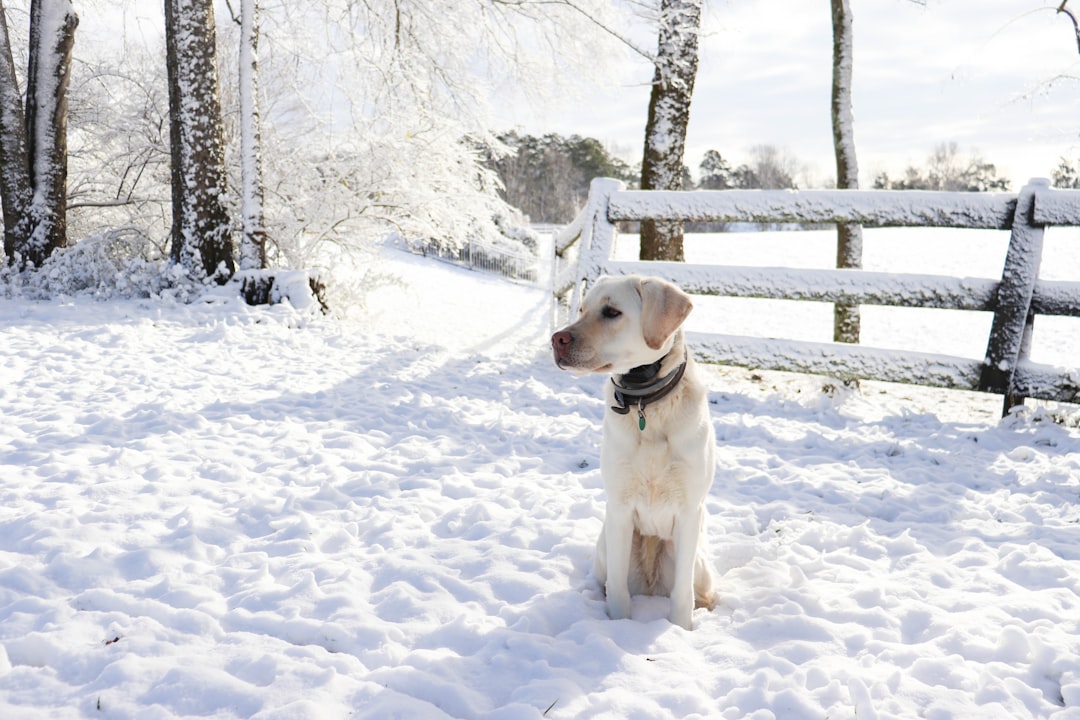
Winter can be a challenging season for our beloved dogs and cats, but with proper care, you can ensure they remain warm, healthy, and happy throughout the colder months.
Key Takeaways
- Understanding your pet’s breed, coat type, size, age, and health will help tailor winter care effectively.
- Recognize signs of cold stress early: shivering, lethargy, lifted paws, and cold extremities.
- Create warm, draft-free indoor and outdoor shelters to protect pets from harsh elements.
- Use appropriate winter gear like insulated coats, paw protection, and moisturizing grooming routines.
- Adjust nutrition and hydration to support energy levels and overall health in winter.
- Avoid common hazards such as antifreeze, ice, and unsafe outdoor exposure.
Table of Contents
- 1. Why Winter Pet Care Matters
- 2. Understanding Your Pet’s Cold Sensitivity
- 3. Recognizing Cold Stress in Pets
- 4. Creating Warm, Draft-Free Living Spaces for Pets
- 5. Essential Winter Gear for Dogs and Cats
- 6. Nutrition and Hydration: Supporting Winter Health
- 7. Avoiding Winter Hazards: Safety Tips for Cold Weather
- 8. Winter Pet Care Checklist
- 9. Conclusion: Winter Wellness Starts With You and Petocart
- FAQ
1. Why Winter Pet Care Matters
Freezing temperatures affect pets differently based on several factors like breed, coat type, age, and overall health. Like humans, pets can suffer from hypothermia and frostbite without proper protection. In regions with harsh winters, such as northern India or North America, winterizing your pet care routine is crucial.
This guide aims to help you safeguard both indoor and outdoor pets, identify cold stress symptoms early, provide warm environments, maintain grooming and nutrition, and avoid common hazards like ice and toxins.
2. Understanding Your Pet’s Cold Sensitivity
Pets vary widely in how well they tolerate cold weather. Knowing your dog’s or cat’s cold-sensitivity can guide you to provide the best care.
Breed and Coat Type
- Double-coated dogs like Siberian Huskies and Alaskan Malamutes have natural insulation to thrive in cold temperatures.
- Short-haired and smaller breeds such as Chihuahuas, French Bulldogs, Whippets, and Greyhounds lose heat quickly and need extra protection.
- Long-haired cat breeds like Maine Coons and Siberians tolerate the cold better than short-haired or leaner cats.
Body Size and Fat Reserves
- Small dogs feel cold around 40°F.
- Medium-sized dogs tolerate down to about 37°F.
- Large dogs with thick fur may be comfortable until temperatures drop below 34°F.
- Cats often show cold stress below 45°F.
Age and Health Factors
Kittens, puppies, seniors, and pets with chronic health issues have weaker heat regulation and require added warmth and limited outdoor exposure.
Learn more about breeds sensitive to cold and winter-sensitive dogs.
3. Recognizing Cold Stress in Pets
Because pets can’t tell us when they're cold, watch for these signs indicating they need to be warmed:
- Shivering or trembling
- Whining, pacing, or anxious behavior
- Reluctance to play or walk
- Cold, pale, or bluish ears and paw pads
- Lifting paws off cold surfaces
- Hunched posture or curling into a tight ball
- Lethargy or decreased appetite
If you notice these symptoms, bring your pet indoors immediately and warm them gradually. Avoid hot water or heating pads directly on skin to prevent burns.
More on cold tolerance in pets and how to tell if your dog is too cold.
4. Creating Warm, Draft-Free Living Spaces for Pets
Whether your pet stays indoors or goes outside frequently, a warm, cozy space is vital during winter.
Cozy Indoor Solutions
- Use donut-style or orthopedic beds that retain heat and support joints.
- Raise beds off cold floors with platforms or thick mats.
- Block drafts around doors, windows, and pet entrances using weather stripping or magnetic covers.
- Provide extra layers of blankets or pet-safe heating pads.
Outdoor Shelter Musts
- Builtd shelters with insulated materials raised off the ground.
- Use dry straw for bedding rather than fabric, which retains moisture.
- Keep entrances small to conserve heat but accessible.
- Add pet-safe heated pads or ceramic heaters when possible, ensuring burn prevention.
For expert guidance on shelters, visit AVMA’s cold-weather pet shelter advice.
5. Essential Winter Gear for Dogs and Cats
Proper apparel is not just cute — it’s crucial for many pets during winter.
Sweaters and Coats
- Choose insulated, waterproof coats with a snug fit and tall neck coverage.
- Layer a fleece vest under coats on very cold days.
- Breathable fabrics help prevent indoor overheating.
- Focus on small, short-haired, elderly, or ill pets.
Paw Protection
- Dog booties protect from ice, salt, and sharp surfaces.
- If booties aren’t tolerated, apply paw balms or waxes to create a barrier.
- Always wipe paws after walks to remove chemicals and toxins.
Winter Grooming
- Bathe pets less frequently (about once a month) with moisturizing, gentle shampoos.
- Brush 2–3 times weekly to distribute natural oils and remove loose fur.
- Supplement with omega-3 and use pet-safe moisturizers to combat dry skin from indoor heat.
Discover more on grooming and gear tips and breed protection from cold.
6. Nutrition and Hydration: Supporting Winter Health
Winter metabolism differs — outdoor pets expend more energy; indoor pets may be less active. Customize feeding and hydration accordingly.
Seasonal Feeding
- Outdoor pets may require extra calories to maintain body heat.
- Indoor pets might need smaller portions to avoid weight gain.
- Add nutrients like omega-3 fats, glucosamine, chondroitin, and MSM to support joints.
- Include immune boosters such as vitamins C, D, E, and zinc.
Encourage Hydration
- Cold often reduces water intake; keep water fresh and unfrozen.
- Use heated water bowls outdoors to prevent freezing.
- Offer moist snacks, broths, or pet fountains to increase fluids.
- Hydration aids skin health and organ function.
Further reading from Chewy and Doggy Bathroom blog.
7. Avoiding Winter Hazards: Safety Tips for Cold Weather
Winter presents hidden dangers beyond cold itself. Be vigilant to protect your pet.
Toxic Substances
- Antifreeze (ethylene glycol) is deadly even in small amounts.
- Road salts and chemical de-icers can irritate or poison if ingested.
- Use pet-safe de-icers and clean paw pads thoroughly after outdoor walks.
Slips and Unsafe Surfaces
- Icy sidewalks increase risk of falls for pets and owners.
- Keep pets away from frozen lakes and ponds to prevent accidents.
- Celebrate the season with savings — get 5% off your order using code EXCLUSIVE5 at checkout
Outdoor Risk Exposure
- Limit outdoor time for small, short-haired, senior, or ill pets.
- Never leave pets alone in a cold vehicle.
- If outside long-term, ensure access to warm shelter with bedding and heating.
Keep Your Pet Secure
- Snow can mask familiar scents and landmarks, confusing pets.
- Use collars with up-to-date ID tags and microchips.
- Keep dogs leashed and fence outdoor spaces securely.
See AVMA’s cold weather safety tips and winter pet hazards.
8. Winter Pet Care Checklist
For Dogs:
- Know your dog’s breed-specific cold tolerance.
- Provide warm outerwear and paw protection outdoors.
- Adjust meals and monitor water intake carefully.
- Ensure shelter from drafts and cold, indoors or outdoors.
- Watch for cold stress signs and act promptly.
For Cats:
- Create cozy, insulated indoor resting spots.
- Observe behavior for indications of being cold.
- Maintain hydration and grooming for skin health.
- Limit exposure to cold, especially for elderly and short-haired cats.
For All Pet Owners:
- Avoid excessive bathing; manage dry skin carefully.
- Keep pets active indoors if outdoor time is limited.
- Stay alert to toxic substances and icy hazards.
- Consult your veterinarian before winter for tailored advice.
9. Conclusion: Winter Wellness Starts With You and Petocart
Caring for your dog or cat in winter is about more than just bundling them up: it's a holistic approach involving shelter, nutrition, protection, and love. With the proper tools and attention, you can help your furry companion thrive during the coldest months.
At Petocart, find a curated selection of winter essentials—foam-insulated beds, stylish and functional coats, cozy booties, and nourishing grooming products—all designed to keep your pets safe and snug.
Start preparing today so you and your pets can enjoy the magic of winter—together.
FAQ
How can I tell if my pet is too cold?
Look for signs like shivering, reluctance to move, whining, cold or bluish ears and paws, and lethargy. Pets may also lift their paws off cold surfaces or curl up tightly. If you notice these, move them indoors and warm gradually.
Do all pets need winter coats or booties?
Not all pets require coats or booties. Double-coated and larger breeds often manage cold better. However, small, short-haired, elderly, or ill pets typically benefit from protective apparel and paw care during winter walks.
How do I encourage my pet to drink more water in winter?
Keep water bowls fresh, use heated bowls if outdoors, offer wet food or pet-safe broths, and consider using pet water fountains to entice drinking. Proper hydration helps prevent dry skin and supports organ health.
What makes the best outdoor shelter for my pet during winter?
Choose insulated shelters raised off the ground, with small, sheltered entrances to retain heat. Bedding with dry straw is best, and supplement with pet-safe heated pads or ceramic heaters if possible.
What winter toxins should I watch for?
Antifreeze is highly toxic and fatal in small amounts. Road salts and chemical de-icers may irritate paws or poison if licked. Use pet-safe de-icers and always clean paw pads after going outside.