Cart
0

How to Create a Flawless Daily Care Routine for Your Dog or Cat
Every pet owner dreams of a happy, healthy, and well-behaved furry companion. Establishing a consistent daily pet care routine tailored to your dog or cat’s unique needs is the key to making that dream a reality. From feeding schedules and exercise to mental stimulation and preventive care, mastering these elements will boost your pet’s physical and emotional well-being.
Key Takeaways
- A consistent daily routine reduces pet stress and supports their circadian rhythm.
- Feeding schedules vary by age: puppies and kittens need frequent small meals, adults benefit from two meals daily.
- Regular physical exercise and mental stimulation prevent behavioral issues and promote happiness.
- Preventive veterinary care and grooming are essential to long-term health.
- Positive reinforcement strengthens behavior and builds trust.
- Customize your pet’s routine according to their age, breed, and personality for optimal results.
Table of Contents
- 1. The Significance of a Daily Pet Care Routine
- 2. Molding a Consistent Feeding Schedule
- 3. Daily Exercise and Playtime for Healthy Physical Growth
- 4. Mental Stimulation to Combat Boredom and Behavioral Problems
- 5. Regular Preventive Veterinary Care
- 6. Emotional Bonding: Strengthen Your Connection With Your Pet
- 7. Managing Behavior Through Positive Reinforcement
- 8. Grooming and Hygiene: Maintaining Comfort and Well-being
- 9. Dental Health: An Often Overlooked Component
- 10. Tailoring Your Routine to Your Pet’s Unique Needs
- 11. Establishing a Secure, Tranquil Retreat Space
- 12. Maintaining Consistency in Routine for Busy Pet Parents
- Wrapping Up: Your Blueprint to Daily Happiness for Your Pet
1. The Significance of a Daily Pet Care Routine
Dogs and cats thrive on the simplicity and comfort that a structured routine provides. A consistent schedule aligns with their internal circadian rhythms, enhancing digestion, sleep quality (up to 16 hours for cats, 12–14 hours for dogs), and reduces stress levels. Predictability also curbs behavioral problems, such as unnecessary barking or destructive chewing, as both their physical and mental needs are regularly met.
2. Molding a Consistent Feeding Schedule
Feeding routines form one of the pillars of pet care that supports digestion, healthy weight, and appetite control.
- Adult Dogs & Cats: Two balanced meals daily, morning and evening.
- Puppies & Kittens: Smaller portions, given three to four times per day.
Additional tips for feeding wisely:
- Measure portions strictly, adjusting according to age, size, and activity.
- Limit treats to no more than 10% of daily calories.
- Avoid human foods that may be toxic or cause weight issues.
- Keep fresh water accessible and replenish daily.
3. Daily Exercise and Playtime for Healthy Physical Growth
Exercise promotes physical health, mental enrichment, and emotional balance.
For Dogs:
- 30–60 minutes of walks and energetic play daily.
- Incorporate fetch, running, and agility games.
- Morning and evening walks align with their natural rhythms to reduce stress.
For Cats:
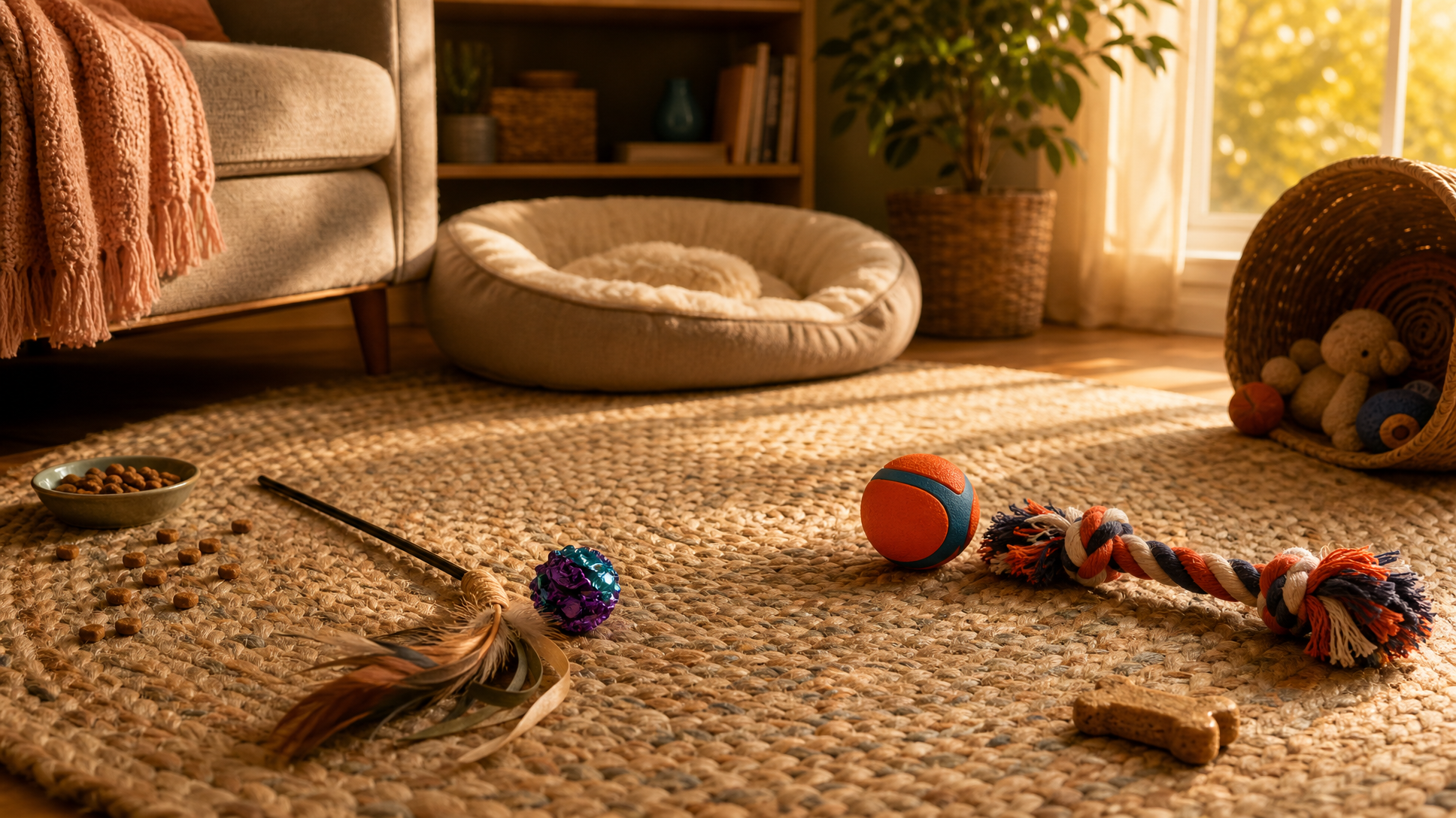
- Interactive toys like feather wands, laser pointers, and balls.
- Provide climbing structures such as cat trees and shelves to simulate hunting.
4. Mental Stimulation to Combat Boredom and Behavioral Problems
Mental activity is crucial to avoid negative behaviors stemming from boredom or anxiety.
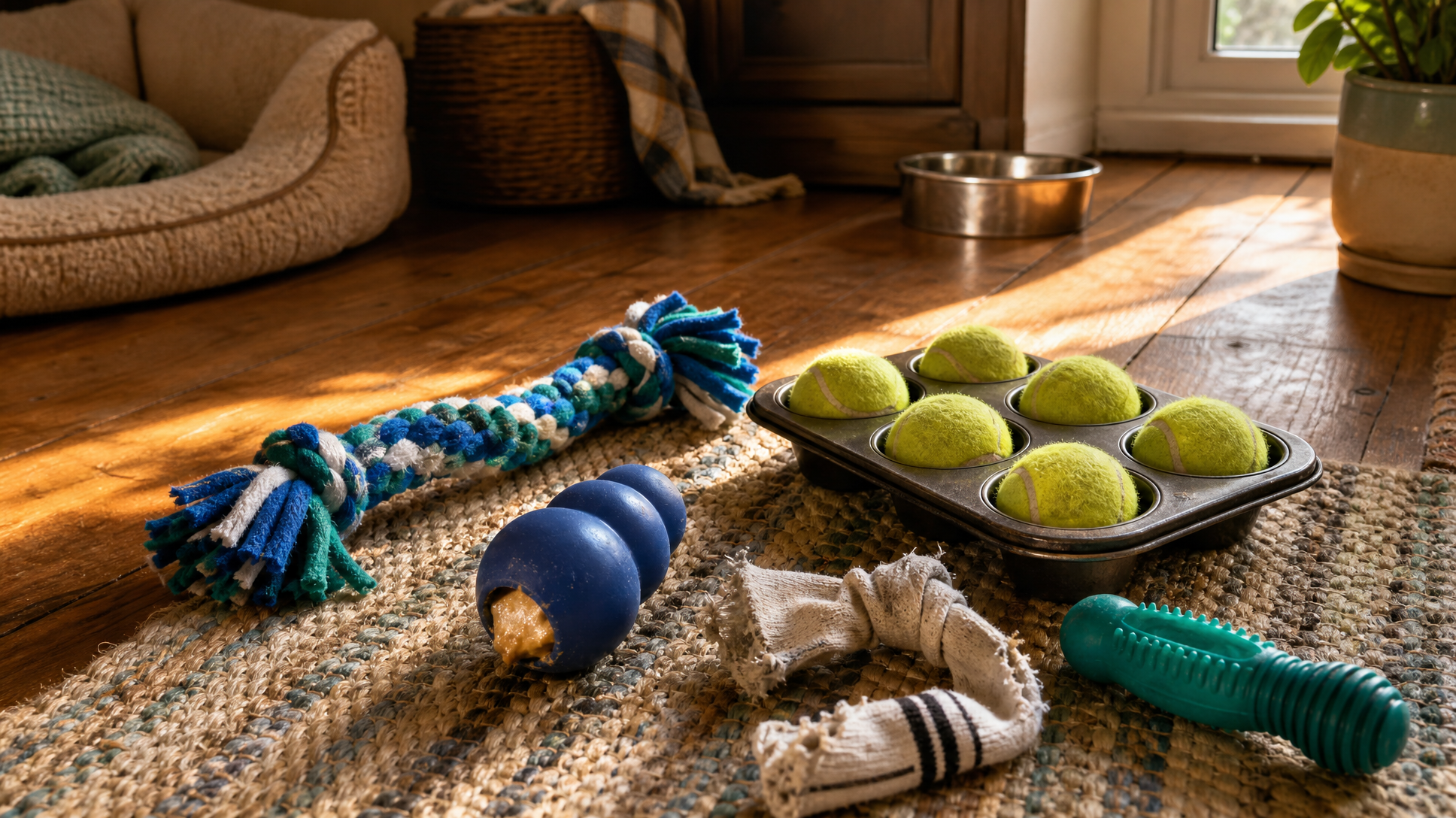
- Dogs: Puzzle toys with hidden treats, training new commands, scent tracking games.
- Cats: Puzzle feeders, exploration tunnels, and safe elevated perches.
Engaging your pet’s mind daily strengthens cognitive health, reduces anxiety, and leads to a happier life—especially important as they age.
5. Regular Preventive Veterinary Care
Routine veterinary visits catch potential health concerns early and maintain vaccinations, parasite control, dental health, and weight management. Personalized screening based on age and breed preserves vitality and longevity.
6. Emotional Bonding: Strengthen Your Connection With Your Pet Daily
Emotional well-being is as vital as physical care. Building trust and reducing anxiety happens through affectionate acts like:
- Gentle strokes and cuddles.
- Daily grooming such as brushing.
- Periodic massages for relaxation.
- Training sessions using positive reinforcement.
These habits release oxytocin, the "love hormone," deepening your bond and boosting your pet’s emotional health.
7. Managing Behavior Through Positive Reinforcement
Rewarding good behavior encourages lasting, positive habits and reduces issues like separation anxiety, excessive barking, or aggression.
- Use treats, praise, or extra playtime to reinforce commands and calmness.
- Maintain patience and consistency for effective training.
- Start early with puppies and kittens to set a solid foundation.
8. Grooming and Hygiene: Maintaining Comfort and Well-being
Good grooming keeps your pet comfortable, clean, and healthy.
- Brushing: Frequency depends on coat length — daily for long-haired, less often for short-haired pets.
- Bathing: Based on lifestyle and skin condition.
- Nail trimming: Every 3 to 4 weeks to avoid discomfort.
- Ear cleaning: Weekly to monthly, especially if prone to infections.
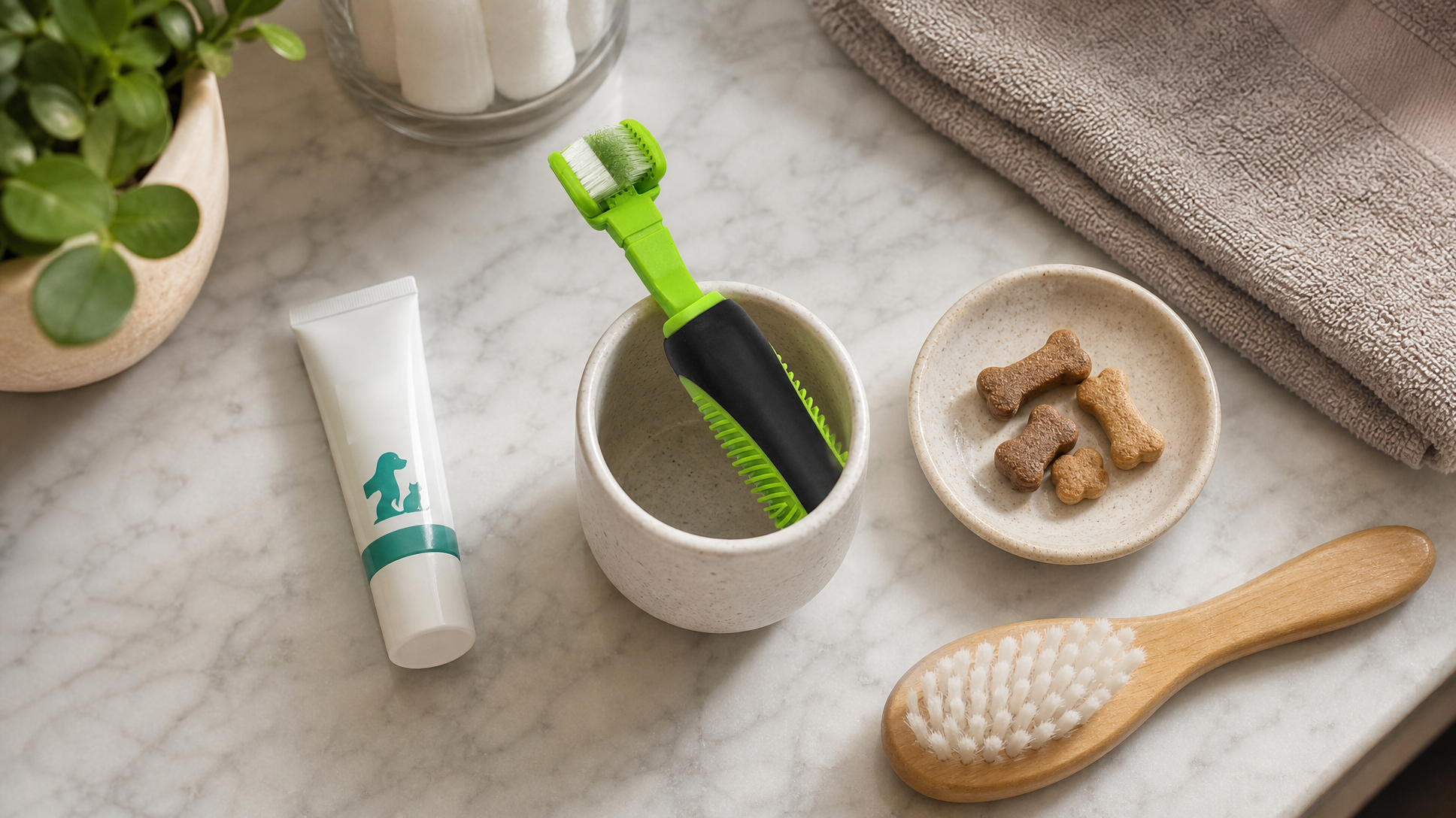
9. Dental Health: An Often Overlooked Component
Oral hygiene is crucial. Dental issues may cause pain and lead to systemic infections.
- Daily brushing is best but dental chews and toys can help fight plaque.
- Schedule professional cleanings as per your vet’s advice.
- Watch for signs like bad breath, drooling, or eating difficulties.
10. Tailoring Your Routine to Your Pet’s Unique Needs
No two pets are the same. Adjust your routine considering:
- Age: Young pets require more care and activity; seniors need gentler approaches.
- Breed: High-energy breeds demand more exercise and mental work.
- Personality: Some pets crave social interactions; others enjoy quiet moments.
Regular assessments with your veterinarian help keep your routine in tune with your pet’s evolving needs.
11. Establishing a Secure, Tranquil Retreat Space
A calm retreat where your pet can relax reduces stress and builds a sense of safety. This could be a crate, a cozy bed, or a quiet corner free from noise distractions.
Ensure this space is associated with comfort—not punishment—and is readily accessible for your pet’s restful moments.
12. Maintaining Consistency in Routine for Busy Pet Parents
Even with a hectic schedule, you can maintain a predictable routine by:
- Scheduling walks and play sessions around work hours.
- Hiring pet sitters or scheduling midday breaks for exercise.
- Using interactive toys or pet-specific media like calming music or TV.
- Timing feeding and bonding moments strategically to establish reliability.
Such consistency makes your pet feel secure and loved, no matter how busy life gets.
Wrapping Up: Your Blueprint to Daily Happiness for Your Pet
Developing and adhering to a well-rounded daily care regimen is the ultimate gift to your pet. By combining consistent feeding, exercise, mental engagement, veterinary care, emotional bonding, and grooming, you create a foundation for a happy, healthy life together.
Customize your routine as your pet grows and changes, ensuring their physical vitality, mental sharpness, and emotional well-being flourish from puppyhood or kittenhood through their senior years.
For a seamless experience, explore Petocart’s premium pet accessories — from grooming essentials to interactive toys — designed to enhance every aspect of your pet’s daily routine. Together, make every day your pet’s best day.
FAQ
Q1: How often should I feed my adult dog or cat?
Most adult dogs and cats do best with two meals a day—one in the morning and one in the evening. This helps regulate their digestion and maintain a healthy weight.
Q2: What are some mental stimulation activities suitable for pets?
For dogs, puzzle toys, scent games, and training new commands work well. Cats enjoy puzzle feeders, exploration tunnels, and climbing perches. These activities keep their minds sharp and prevent boredom-related behaviors.
Q3: How can I manage my pet’s behavior effectively?
Use positive reinforcement—reward good behaviors with treats, praise, or play. Consistency and patience in training, starting early in life, are key to managing behaviors and building a strong bond.
Q4: How frequently should I groom my pet?
Brushing frequency depends on coat type—daily for long-haired pets and less often for short-haired breeds. Nail trimming should happen every 3 to 4 weeks, with bathing and ear cleaning adjusted as needed.
Q5: What is the importance of a retreat space for my pet?
A peaceful retreat reduces stress, provides a secure resting place, and helps your pet feel safe. It should be a positive environment they willingly retreat to, enhancing their emotional well-being.