Cart
0
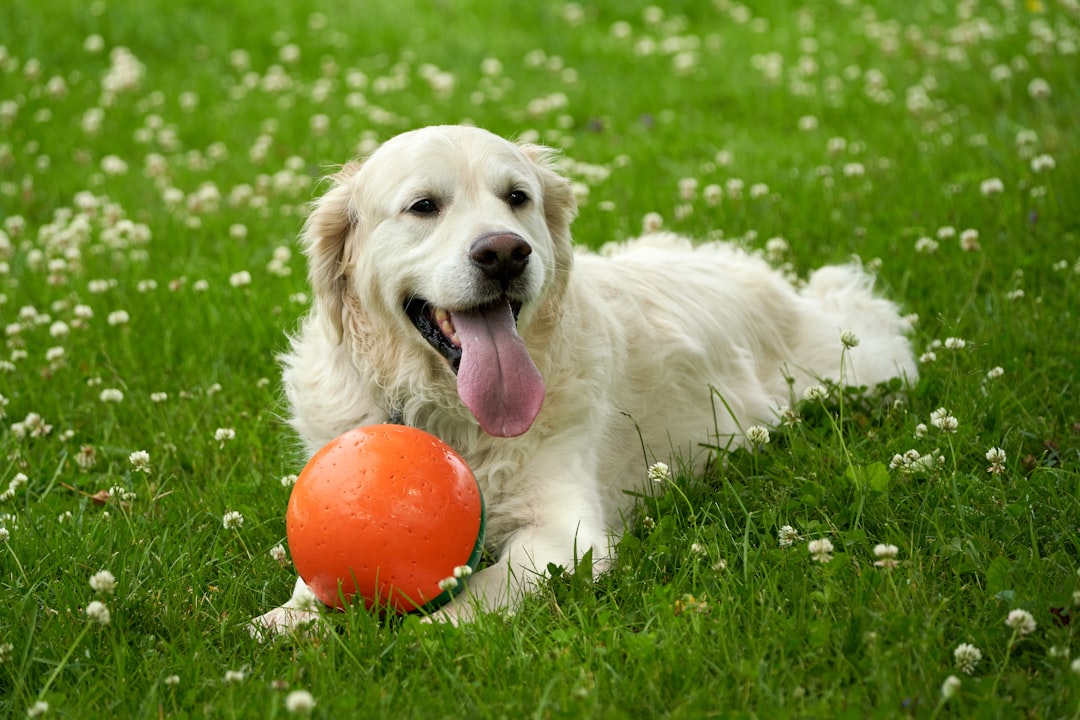
Discover how to keep your dog mentally sharp and physically active even when you’re not home. Implement interactive toys, training, scent games, indoor exercise, and safety measures to create a fulfilling daily routine that strengthens your bond and eases separation stress.
How to Keep Your Dog Mentally and Physically Stimulated While You’re Away
- Combining mental and physical stimulation prevents destructive behaviors and anxiety in dogs.
- Interactive toys like puzzle feeders and treat dispensers keep dogs engaged and calm.
- Positive reinforcement training strengthens obedience and the owner-dog relationship.
- Scent games tap into natural instincts and offer rich mental challenges.
- Indoor exercise options such as tug-of-war and obstacle courses help burn energy when outdoor time is limited.
- Creating a safe environment and managing separation anxiety are essential for well-being.
- Maintaining a consistent daily routine maximizes your dog’s happiness and health.
Table of Contents
- 1. Why Ensuring Mental and Physical Stimulation Is Critical for Dogs
- 2. Interactive Toys: Enhancing Play and Problem-Solving
- 3. Positive Reinforcement Training: Establishing Skills and Fostering Connections
- 4. Scent Games: Leveraging Natural Instincts
- 5. Physical Exercise Through Indoor Activities
- 6. Environment Safety: Cultivating a Secure Space
- 7. Managing Separation Anxiety and Stress
- 8. Daily Routine Tips to Maintain Your Dog’s Happiness and Health
- 9. Final Thoughts: Embracing Enrichment as a Fundamental Part of Your Dog’s Life
1. Why Ensuring Mental and Physical Stimulation Is Critical for Dogs
Keeping your dog mentally and physically stimulated is essential not only for their happiness but also for their overall health. Dogs left bored or under-stimulated often develop unwanted behaviors such as destructive chewing, excessive barking, or increased anxiety, especially when left alone for long durations. Dogs thrive on a balanced combination of physical exercise and mental challenges, which helps prevent boredom and alleviates feelings of loneliness or stress. Implementing varied engagement strategies ensures your dog remains content, well-behaved, and emotionally balanced.
2. Interactive Toys: Enhancing Play and Problem-Solving
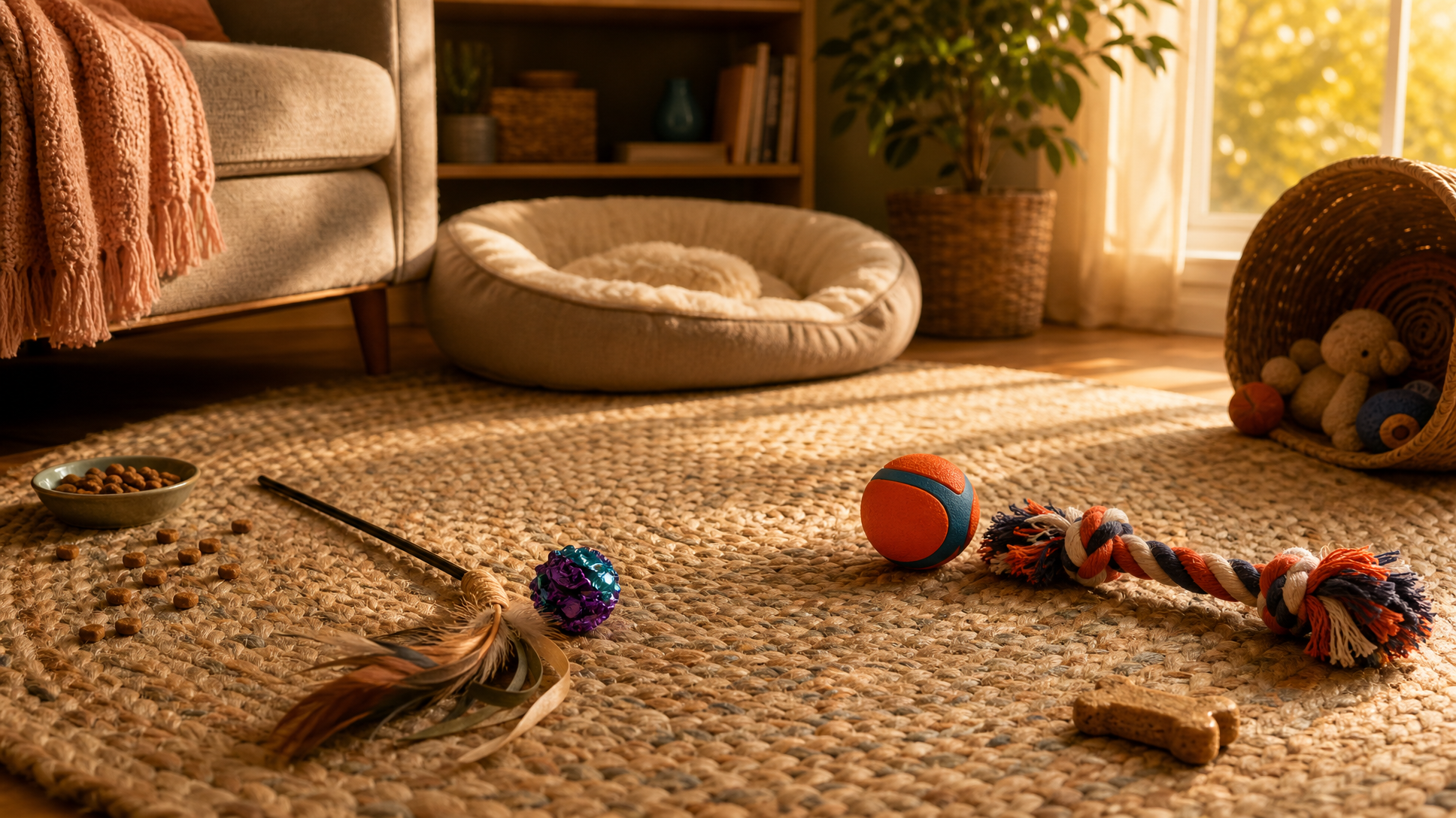
Interactive toys are among the best tools to stimulate your dog's mind and body simultaneously. They combine fun with food rewards, encouraging problem-solving skills and prolonging engagement. Some popular interactive toys include:
- Puzzle feeders that require your dog to manipulate parts to access kibble or treats.
- KONG toys filled with frozen treats like peanut butter or mashed sweet potato for a rewarding challenge.
- Treat-dispensing balls that release small food portions as the dog rolls or shakes them.
Rotating toys and introducing new hidden-treat ideas, such as concealing treats under bowls or towels, can maintain curiosity and prevent loss of interest. For more ideas, visit PetMD’s enrichment toys guide.
3. Positive Reinforcement Training: Establishing Skills and Fostering Connections
Positive reinforcement training stimulates your dog's brain and deepens your connection. Short daily sessions (5–10 minutes) focused on obedience or tricks keep your dog mentally agile while promoting good behavior. Key benefits include:
- Rewarding desired behaviors encourages repetition without stress.
- Training becomes fun and interactive, strengthening your bond.
- It helps reduce anxiety by creating structure and focus.
Teach basic commands such as sit and stay, or advance to tasks like putting away toys or responding to cues by name. These exercises engage their problem-solving instincts and reduce separation stress. Explore practical guidance at BetterPet’s mental stimulation article.
4. Scent Games: Leveraging Natural Instincts
Dogs experience the world primarily through smell, making scent games ideal for mental enrichment. These games can be played indoors and offer long-lasting entertainment by tapping into natural foraging behaviors. Popular scent activities include:
- Hide-and-seek with treats: Hide small treats around your space for your dog to find.
- Muffin tin puzzles: Place treats in muffin tin cups, covering some with tennis balls to increase the challenge.
- Snuffle mats: Mats with crevices where treats are hidden to stimulate hunting instincts.
Such scent games offer mental satisfaction and help expend energy indoors, especially on confined or bad weather days. Find advanced activities at Don’t Cage Me In’s enrichment article.
5. Physical Exercise Through Indoor Activities
Physical activity complements mental challenges and is vital for a happy, healthy dog. Even with limited outdoor access, indoor games can effectively burn energy and relieve anxiety, such as:
- Tug-of-war: Builds strength and strengthens your relationship.
- Fetch with soft toys: Perfect for hallways or spacious rooms to engage chasing instincts.
- Home-made obstacle courses: Use household items like cushions and boxes to create a fun and challenging course.
Regular exercise helps your dog calm down afterward and supports overall well-being. For more ideas, refer to PetSmart’s indoor enrichment guide.
6. Environment Safety: Cultivating a Secure Space
A safe environment ensures that mental and physical activities do not put your dog at risk. Dog-proofing measures include:
- Removing or securing hazardous items like cleaning products, electrical cords, and choking hazards.
- Making sure windows and doors are closed to prevent escapes or accidents.
- Avoiding unsupervised access to balconies or backyards.
- Providing a cozy, designated retreat spot with bedding and toys.
Veterinarians warn that boredom in unsafe spaces can lead to destructive habits or risky escape attempts. Learn more safety tips at Ohio State University’s Indoor Pet Care guide.
7. Managing Separation Anxiety and Stress
Extended periods alone may trigger separation anxiety, causing distress and unwanted behaviors. Combining mental and physical enrichment helps reduce stress and loneliness. Additional supportive approaches include:
- Scheduling interaction breaks or hiring dog walkers and pet sitters.
- Using puzzle feeders and frozen KONG treats as calming distractions.
- Consulting your veterinarian if behavioral problems persist; clinical support and medication may be necessary.
Experts at Duvall Veterinary Hospital recommend high-value frozen KONG treats and hide-and-seek games for managing separation anxiety.
For detailed advice, visit veterinary recommendations on indoor enrichment.
8. Daily Routine Tips to Maintain Your Dog’s Happiness and Health
Establishing a consistent daily routine maximizes your dog’s mental and physical well-being. Consider this schedule:
- Morning: 5–10 minutes of training focused on obedience or tricks.
- Midday: Use puzzle feeders or frozen KONG treats to keep your dog engaged during your work hours.
- Afternoon/Early Evening: Indoor physical play such as tug-of-war or fetch, combined with scent games.
- Bedtime: Provide a secure, comfortable space and rotate toys for variety.
Regular veterinary check-ups ensure no health issues interfere with their activity. Sharing routines with family members also encourages consistency and success.
9. Final Thoughts: Embracing Enrichment as a Fundamental Part of Your Dog’s Life
Keeping your dog mentally and physically stimulated doesn’t need to be complicated or expensive. By thoughtfully combining interactive toys, positive training, scent activities, indoor exercise, and a safe environment, you enhance your dog’s happiness and good behavior. At Petocart, we provide a variety of reliable pet accessories designed to support your dog’s enrichment needs, including puzzle feeders and durable toys.
Remember, investing time and resources into your dog's mental and physical health today fosters a calmer, more content companion tomorrow. With consistent effort, the hours apart become opportunities to nurture growth, joy, and an unbreakable bond.
FAQ
Q: What if my dog loses interest in their interactive toys?
Rotating toys regularly and introducing new challenges or hiding treats in different ways can help maintain your dog's curiosity and engagement.
Q: How often should I train my dog to keep them mentally stimulated?
Short daily sessions of 5 to 10 minutes are effective for maintaining mental sharpness while avoiding overstimulation or boredom.
Q: Can scent games help reduce my dog's separation anxiety?
Yes, scent games tap into natural instincts and provide mental enrichment that can distract and comfort dogs experiencing anxiety when alone.
Q: What are some safe indoor exercises for small spaces?
Tug-of-war, indoor fetch with soft toys, and homemade obstacle courses using furniture and cushions are excellent options even in compact areas.
Q: When should I consult a veterinarian about my dog's behavioral issues?
If your dog shows persistent anxiety, excessive barking, destructive behavior, or other signs of distress despite enrichment efforts, seek veterinary advice for possible clinical support.