Cart
0

Welcoming your first dog is a joyous milestone that comes with vital responsibilities. This comprehensive guide covers essential care, training, nutrition, and safety tips to help you build a healthy, happy, and lifelong bond with your new furry friend.
Key Takeaways
- Choose a dog breed that fits your lifestyle, space, and budget, especially breeds like Golden Retrievers and Pugs for first-timers.
- Establish consistent routines in feeding, exercise, grooming, and health care.
- Provide balanced nutrition tailored to your dog’s age, size, and dietary needs.
- Incorporate both physical exercise and mental stimulation to maintain behavioral health.
- Start training early using positive reinforcement and remain consistent.
- Socialize your dog gradually to build confidence and reduce fears.
- Prioritize preventive healthcare with regular vet visits, vaccinations, and parasite control.
- Create a safe home environment by removing hazards and securing dangerous items.
- Understand your legal responsibilities and ensure proper identification for your dog.
- Prepare for emergencies with pet insurance, first-aid kits, and emergency planning.
Table of Contents
- 1. Choosing the Right Pet for Your Lifestyle
- 2. Essential Care Basics
- 3. Nutrition Tips
- 4. Exercise and Mental Stimulation
- 5. Training Fundamentals
- 6. Socialization
- 7. Grooming
- 8. Preventive Healthcare and Vaccinations
- 9. Home Safety
- 10. Legal Responsibilities and Identification
- 11. Emotional Bonding
- 12. Pet Insurance and Emergency Planning
- 13. Understanding Breed-Specific Traits
- 14. Commitment and Responsibilities
- 15. Practical Checklist
- 16. Why Adoption Matters
- 17. Final Thoughts
1. Choosing the Right Pet for Your Lifestyle
Before bringing a dog into your home, evaluate your lifestyle, living space, and budget carefully. Matching a breed or mixed breed to your circumstances ensures harmony and fulfillment for both of you. Consider:
- Activity Level: Are you active or prefer relaxed activities?
- Space Availability: Do you have a large yard or small apartment?
- Time Commitment: How many hours daily can you spare?
- Budget: Can you afford grooming, medical care, and food expenses?
Recommended beginner-friendly breeds: Golden Retrievers, Labrador Retrievers, Pugs, and Malteses.
2. Essential Care Basics
Establish a consistent daily routine that covers feeding, exercise, grooming, hygiene, and safety. Routine builds trust and comfort for your dog, forming the foundation for a happy life together.
3. Nutrition Tips
Nutrition is the cornerstone of your dog's health and vitality. Tailor their diet considering their:
- Age
- Size
- Activity level
- Specific dietary needs
Avoid harmful human foods such as chocolate, grapes, and onions, and always provide fresh water. A balanced diet supports a shinier coat, better energy, and longer life.
4. Exercise and Mental Stimulation
Dogs require regular physical activity and mental challenges to stay healthy and avoid behavioral problems. Tailor activities to your dog's breed and health:
- Daily walks or runs
- Interactive play sessions
- Puzzle toys or obedience games
Mental exercise is just as vital as physical activity to keep your dog engaged and content.
5. Training Fundamentals
Early training shapes your dog's behavior and solidifies your bond. Use positive reinforcement methods—like treats and praise—to teach basic commands such as sit, stay, and come. Consistency is key, and make sure all family members follow the same training approach. If challenges arise, don't hesitate to seek professional assistance to prevent bad habits.
6. Socialization
Expose your dog gradually to new environments, sounds, people, and animals to foster confidence and reduce fear. Introduce new experiences gently to avoid overwhelming them, helping your dog become well-adjusted and sociable.
7. Grooming
Grooming goes beyond aesthetics—it’s essential for your dog’s health. Maintain a regular schedule for:
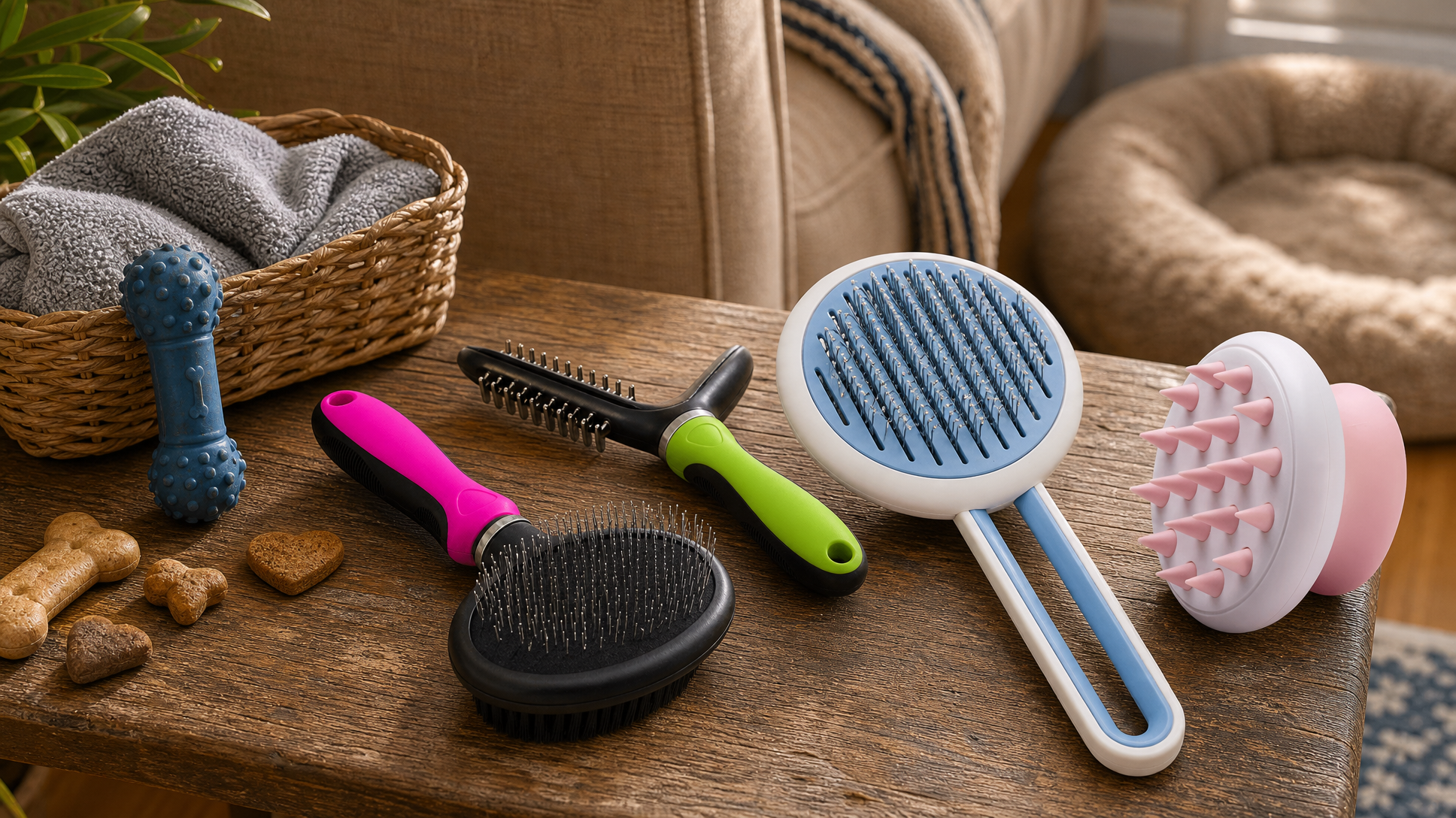
- Brushing to remove loose fur and prevent mats
- Bathing to clean skin and coat
- Nail trimming to avoid discomfort or injury
- Ear cleaning to prevent infections
8. Preventive Healthcare and Vaccinations
Preventive care is crucial. Routine veterinary visits help manage vaccinations, parasite control, dental care, and overall wellness. Cultivate a trusting relationship with your vet to ensure your dog receives the best care possible.
9. Home Safety
A safe home environment protects your dog from accidents. Take these precautions:
- Secure electrical wires and cords
- Remove choking hazards like small objects or toxic plants
- Store hazardous chemicals and foods out of reach
- Provide a cozy, quiet resting place
10. Legal Responsibilities and Identification
Responsible ownership includes compliance with local laws. Ensure your dog is:
- Licensed as required
- Wearing ID tags at all times
- Microchipped for permanent identification
- Leashed in public spaces where mandated
These measures help reunite lost pets and promote community safety.
11. Emotional Bonding
Building a loving relationship involves more than care routines. Dedicate daily time for play and gentle observation of your dog's body language. Patience through training and making your dog a true family member fosters trust and affection that lasts a lifetime.
12. Pet Insurance and Emergency Planning
Unexpected situations can arise any time. Be prepared by:
- Considering pet insurance to manage medical costs
- Keeping a list of emergency veterinary contacts
- Having a stocked first-aid kit accessible
- Planning evacuation and care in case of natural disasters
13. Understanding Breed-Specific Traits
Each breed carries unique behaviors and health risks. Research your dog’s breed to anticipate their grooming needs, typical health issues, and personality traits. This knowledge enables tailored care and better preparedness.
14. Commitment and Responsibilities
Owning a dog is a long-term responsibility involving time, money, and emotional dedication. Regular vet visits, ongoing training, budgeting for expenses, and adapting to your dog’s changing needs are key to providing a secure and loving home throughout their life.
15. Practical Checklist
To start strong, gather these essentials before you bring your dog home:
- Quality dog food and feeding bowls
- Leash, collar, and ID tags
- Comfortable bed or crate
- Grooming tools including brush, nail clippers, and shampoo
- Toys for play and mental stimulation
- Training treats and supplies
- First-aid kit and emergency contact numbers
16. Why Adoption Matters
Adopting from shelters or rescues benefits both you and the pet community. Many rescued dogs come with some training and medical care already provided. Adoption helps combat pet overpopulation and promotes ethical, compassionate pet ownership.
17. Final Thoughts
Bringing home your first dog is an exciting journey filled with love and learning. Through proper nutrition, exercise, grooming, training, and emergency preparedness, you set the stage for a joyful life together. Embrace the commitment with patience and compassion, and the bond you form will reward you for years to come.
For more pet accessories and care supplies to support your new dog, visit Petocart.
FAQ
Q1: How often should I feed my dog?
Most adult dogs do well with two meals per day, spaced about 8-12 hours apart. Puppies may require three to four smaller meals daily. Always follow your veterinarian’s recommendations tailored to your dog’s specific needs.
Q2: What are the basic commands every dog should learn?
Essential commands include sit, stay, come, down, and heel. These commands promote safety, control, and good manners in various settings.
Q3: How can I prevent my dog from developing behavioral problems?
Consistent training, early socialization, regular exercise, and mental enrichment are key factors in promoting good behavior. When in doubt, seek professional guidance early to address issues.
Q4: What vaccinations does my dog need?
Core vaccines generally include rabies, distemper, parvovirus, and adenovirus. Your vet may recommend additional vaccines based on geographic location and lifestyle.
Q5: Is pet insurance worth it?
Pet insurance can be valuable to manage unexpected medical expenses and emergencies. Evaluate your budget, the dog's health risks, and plan to decide if insurance is a good fit for you.