Cart
0
How to Establish a Consistent Daily Routine for Your Pet
Creating a structured and balanced daily routine for your pet is essential for their health, happiness, and overall well-being. Consistency helps your pet feel secure, reduces behavioral issues, and strengthens your bond. This guide provides actionable steps to design a comprehensive daily schedule that adapts to different life stages, seasons, and busy lifestyles.
Key Takeaways
- Consistent routines reduce pet anxiety and behavioral problems.
- Morning exercise and feeding set a positive tone for the day.
- Mental stimulation is as vital as physical activity.
- Adapt routines for puppies, adults, and senior pets to meet their evolving needs.
- Seasonal adjustments and veterinary collaboration enhance routine effectiveness.
- Use technology and professional help to maintain routines during busy workdays.
Table of Contents
- Why a Consistent Daily Routine Matters
- Morning Routine
- Midday Routine
- Mental Stimulation
- Adjusting for Life Stage
- Evening Routine
- Seasonal Care & Weekend Flexibility
- Collaborating with Your Veterinarian
- Balancing Work and Care
- Essential Products
- Final Thoughts
- FAQ
1. Why a Consistent Daily Routine Matters for Your Pet’s Health and Happiness
Pets thrive on predictability. A consistent routine reassures them, reducing anxiety and promoting better behavior. Knowing what to expect throughout the day keeps pets balanced, supporting their physical and mental health.
Whether it’s feeding, playtime, or rest, regular schedules help regulate digestion, energy levels, and cognitive functions, enhancing your pet’s overall quality of life.
2. Morning Routine: Why the Early Hours Set the Tone for Your Pet’s Day
Starting your pet’s day with consistency builds a calm foundation. Effective morning care includes:
- Early Potty Breaks: Prevent accidents and help digestion by taking your pet out soon after waking.
- Short Morning Walks or Play: Physical and mental stimulation reduces anxiety and excess energy.
- Consistent Feeding Times: Breakfast at regular times supports healthy digestion and balanced energy.
- Brief Mental Stimulation: Use puzzle toys or scent games for 5–10 minutes to awaken their mind.
This routine reduces restlessness and prepares your pet for a calm, content day.
3. Midday Routine: Keeping Your Pet Engaged and Comfortable During the Day
When you’re away during work hours, your pet needs breaks and stimulation to avoid loneliness and boredom.
- Midday Walks & Potty Breaks: Arrange for dog walkers, sitters, or family help to break up your pet’s day.
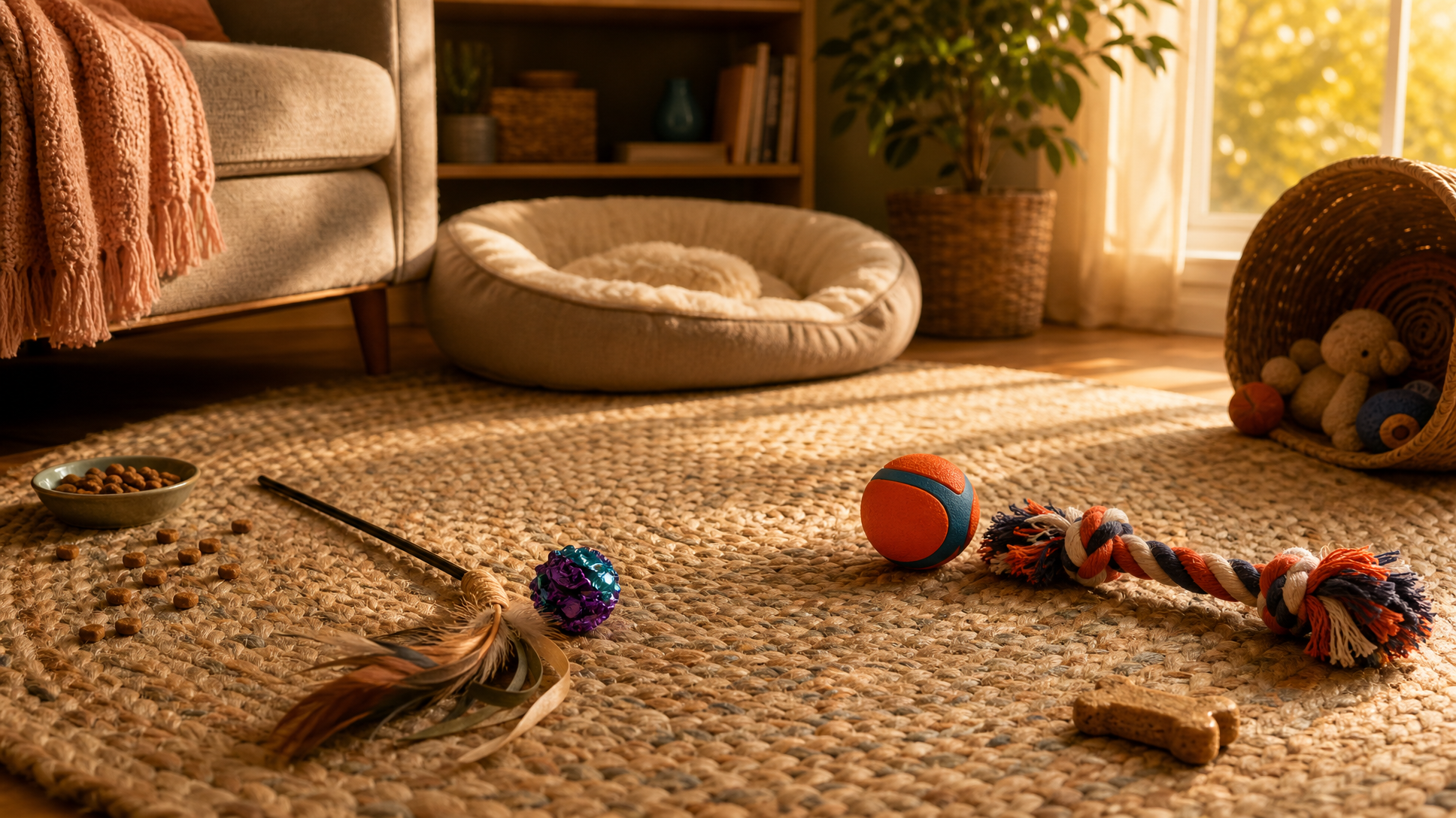
- Engaging Toys & Puzzles: Interactive feeders and scent games keep your pet mentally active.
- Calming Aids: Pheromone diffusers, calming collars, or soothing music ease anxiety.
- Snacks & Hydration: Provide access to water and mid-afternoon treats.
Dividing the day helps maintain stable behavior and prevents destructive activities commonly shared in pet communities.
4. Mental Stimulation: Why Brain Exercises are Just as Important as Physical Activity
Mental exercise prevents boredom-related behaviors like chewing or barking and supports emotional health.
- Interactive Puzzle Toys: Rotate puzzles regularly to keep challenges fresh.
- Training Sessions: Short, positive reinforcement training encourages good habits and sharpens focus.
- Scent Work & Nose Games: Stimulate your pet’s natural instincts with sniffing activities.
Veterinarians emphasize mental stimulation as key for delaying cognitive decline in senior pets and reducing behavior problems at all ages.
5. Adjusting Your Pet’s Routine According to Life Stage
Tailoring routines to your pet’s specific life stage ensures their care meets evolving health and energy needs.
Puppies
- Frequent potty breaks and short play sessions support growth and house training.
- Multiple small meals and snacks meet high nutritional demands.
- Training and socialization help build good habits.
Adult Pets
- Regular exercise and mental challenges maintain fitness and behavioral balance.
- Consistent feeding with portion control aids weight management.
Senior Pets
- Gentle, low-impact activities prevent strain.
- Increased mental enrichment supports cognition.
- Frequent health checkups help address age-related conditions.
Monitoring energy and behavior often allows you to refine routines effectively.
6. Evening Routine: How to Wind Down Your Pet for Restful Sleep
Evening rituals help your pet relax and prepare for quality sleep.
- Post-Dinner Potty Break: Prevents overnight accidents and signals rest time.
- Low-Stimulation Walks or Cuddling: Gentle activities reduce arousal and promote calm.
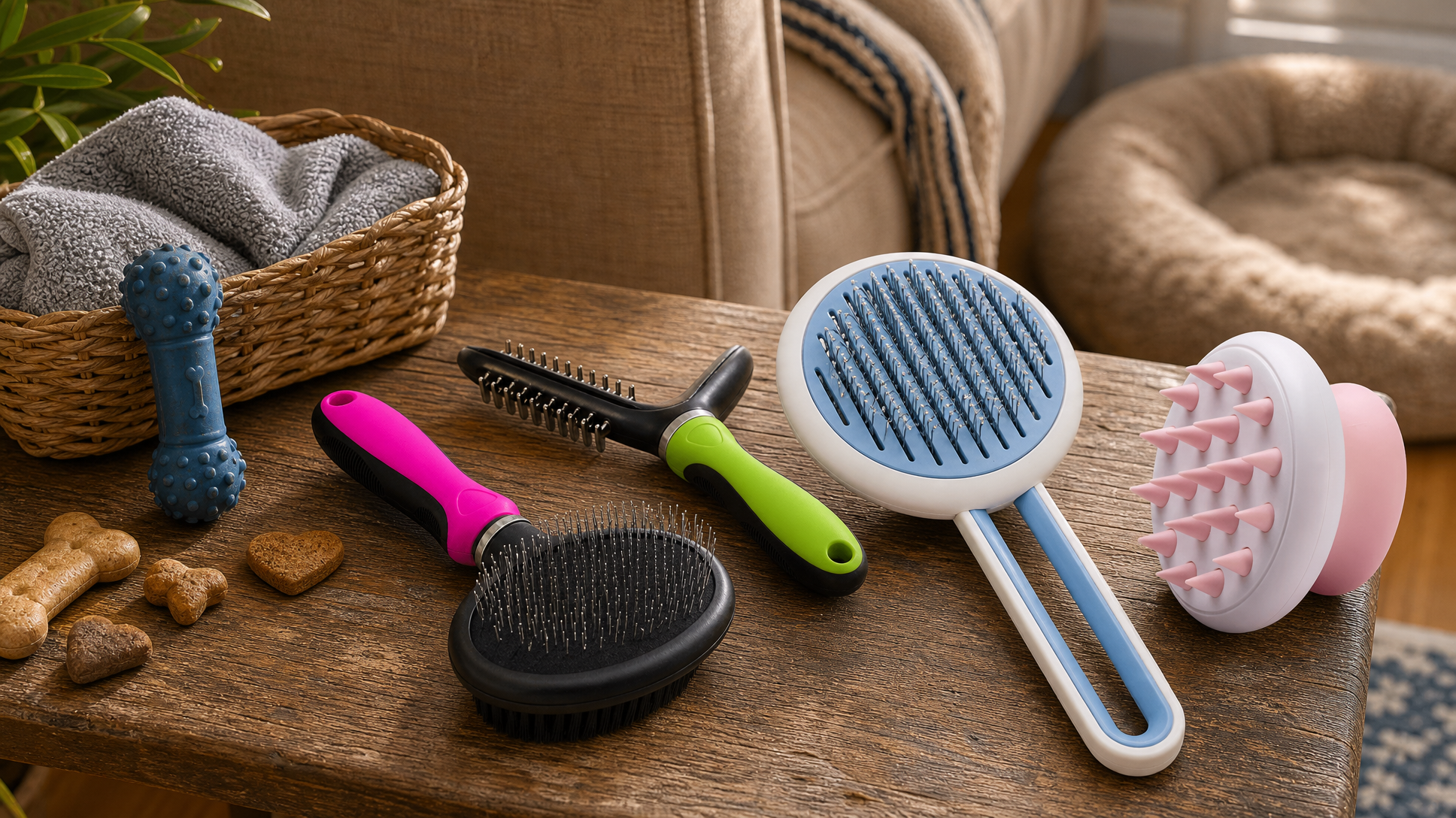
- Grooming & Massages: Brushing and light massages soothe your pet.
- Oral Hygiene Practices: Daily brushing helps prevent dental diseases.
Consistent evenings deepen your bond and support healthy sleep patterns.
7. Seasonal Care and Weekend Flexibility: Adapting Routines for Weather and Lifestyle
Adjust routines according to the season and weekend lifestyle to keep your pet comfortable and engaged year-round.
Summer Tips
- Walk early morning or late evening to avoid heat.
- Keep pets hydrated and protect paws from hot pavement with booties or paw wax.
Winter Tips
- Shorten walks during extreme cold.
- Check for chapped paws and provide warm bedding.
- Use protective coats for short-haired pets.
Weekend Flexibility
- Enjoy longer outings, new parks, or social experiences without disrupting the routine foundation.
Seasonal awareness combined with flexible weekends enhances your pet’s quality of life.
8. Collaborating with Your Veterinarian: The Foundation of a Tailored Routine
Regular checkups and communication with your veterinarian ensure your pet’s routine fits their current health needs.
- Health monitoring and updates.
- Dietary advice and adjustments.
- Behavior guidance and training tips.
- Vaccination and preventive care schedules.
This partnership maintains your pet’s wellness and adapts routines responsively.
9. Tips for Pet Owners Balancing Work and Care: Maintaining Routine During Busy Days
Managing a pet’s routine while juggling work requires planning and resources.
- Divide the Day: Schedule clear activity and rest periods to maintain structure.
- Leverage Technology: Use automatic feeders, pet cameras, and interactive toys.
- Hire Help: Professional walkers or sitters can provide midday breaks.
- Create a Calm Environment: Comfort your pet with familiar scents and soothing sounds to reduce anxiety.
These strategies support your pet’s health and happiness despite a busy schedule.
10. Essential Products to Support Your Pet’s Daily Routine
Quality products enhance your pet’s routine, making care simpler and more enjoyable.
- Interactive Toys & Puzzle Feeders: Stimulate your pet’s mind and prevent boredom.
- Calming Aids: Pheromone diffusers and calming collars support anxiety management.
- Dental Care Supplies: Toothbrushes and chews maintain oral health.
- Seasonal Accessories: Paw protectors, cooling vests, and warm coats protect against weather.
- Healthy Treats: Reward good behavior with nutritious snacks.
Explore trusted products here to support your pet’s thriving daily routine.
Final Thoughts: Building a Balanced Daily Routine for a Happy, Healthy Pet
A well-structured yet adaptable daily routine is a cornerstone of your pet’s lifelong wellness. It alleviates stress, promotes positive behavior, and nurtures your connection.
By incorporating physical exercise, mental stimulation, life stage adaptations, seasonal care, and veterinary collaboration, you create an enriched environment where your pet can truly thrive.
Start today to foster consistency and watch your beloved pet flourish every day.
FAQ
Why is a consistent routine important for pets?
Consistency reduces anxiety, improves behavior, and helps regulate your pet’s physical health, providing security and predictability that pets naturally seek.
How can mental stimulation benefit my pet?
Mental exercise prevents boredom, reduces destructive behavior, improves focus, and supports cognitive health, especially important for aging pets.
What adjustments should I make for senior pets?
Senior pets benefit from gentle exercise, increased mental enrichment, regular health monitoring, and adaptations to diet and environment to accommodate their changing needs.
How can I maintain my pet’s routine if I work full-time?
Use technology like feeders and cameras, hire walkers or sitters, divide the day into activity and rest blocks, and create a calming home environment to keep your pet engaged and comfortable.
When should I consult a veterinarian about my pet’s routine?
Consult your veterinarian regularly or if you notice behavioral changes, health issues, or think your pet’s current routine isn’t meeting their needs. They can tailor advice and adjustments.