Cart
0

Safe and Enjoyable Outdoor Activities with Dogs: Walking, Parks, and Hiking Guide
Discover how to make outdoor adventures with your dog safer and more enjoyable through effective training, proper gear, and mindful health practices. This guide empowers you to build a strong bond with your furry companion while exploring the great outdoors confidently and responsibly.
Key Takeaways
- Leash training and behavior management are foundational to stress-free walks.
- Prioritize vaccinations and monitoring for safety at dog parks.
- Prepare for encounters with loose dogs using distraction and protective tools.
- Choose harnesses and leashes designed for control and your dog's comfort.
- Follow hiking safety guidelines including leash rules, gear preparation, and heat exhaustion prevention.
Table of Contents
- 1. Leash Training and Behavior Management
- 2. Dog Park Safety Best Practices
- 3. Managing Encounters with Loose Dogs
- 4. Selecting the Right Gear for Control and Comfort
- 5. Hiking Safely with Your Dog
- 6. Conclusion: Responsible Outdoor Fun
- FAQ
1. Leash Training and Behavior Management
Mastering the art of leash walking requires patience, consistent training, and suitable equipment. It ensures walks are pleasant, safe, and mentally stimulating for your dog.
Must-Have Tools to Limit Pulling and Distractions
- Gentle Leader® Headcollar: Applies gentle pressure at the neck to curb pulling without choking. Learn more about this gentle leader headcollar.
- Front-Clip Harnesses: Redirects forward momentum and discourages pulling when properly fitted.
- Stopping and Pausing: Halt when your dog pulls, teaching that progress resumes only with good behavior.
Managing Reactivity and Stress During Walks
- Use distance or visual barriers like parked cars or corners to reduce reactivity.
- Allow your dog to sniff and explore for mental enrichment and anxiety relief.
- Consistently reward calmness to encourage positive walking habits.
"Consistent, patient training paired with the right equipment transforms every walk into an opportunity for calm and confidence."
2. Dog Park Safety Best Practices
Dog parks offer great socialization but can carry health and behavioral risks if not approached with caution.
Prioritize Vaccinations and Health
Ensure your pet’s vaccinations against rabies, distemper, parvovirus, bordetella, and regional diseases are current before visits to minimize infection risks.
Choose Optimal Visit Times
Visiting during off-peak hours like early mornings or weekdays reduces crowding and the chance of conflicts.
Identification and Close Supervision
- Use multiple forms of ID: collars with tags, embroidered contact info, and microchips updated with current details.
- Watch for stress signals such as whale-eye, excessive panting, tail position changes, or lip licking.
- Remove your dog promptly if aggression or fear escalates.
Remember, dog parks aren't ideal for social skills training; controlled, leash-free introductions with a professional trainer offer safer socialization alternatives. Learn more through this dog park safety guide.
3. Managing Encounters with Loose Dogs
Unexpected meetings with off-leash or stray dogs demand calm, prepared responses to prevent conflicts and ensure safety.
Avoid Known High-Risk Areas
Choose walking paths with leash laws and steer clear of places notorious for loose dogs.
Use Tools and Techniques to Defuse Tension
- Distract your dog with treats to shift attention away from the approaching animal.
- Carry citronella spray or non-harmful deterrents like whistles if needed.
- Create visual barriers using objects like umbrellas or natural cover to shield your dog.
Stay Prepared and In Control
- Bring extra treats to reinforce calm behavior continuously.
- Practice leash handling techniques such as securing the leash to your waist or using leash locks to avoid losing grip.
For expert advice on leash control and off-leash dog encounters, visit leash handling tips and dog safety.
4. Selecting the Right Gear for Control and Comfort
The proper harness, leash, and handling methods enhance control and keep your dog safe and comfortable during outdoor activities.
Harness Choices
- Choose a snug, comfortable body harness, avoiding step-in styles that dogs can slip out of.
- Prefer harnesses with front or dual clips for superior steering control and pulling reduction.
- Introduce new harnesses gradually so your dog acclimates without stress.
Leash Recommendations
- Use a fixed-length leash for consistent control instead of retractable ones.
- Consider a safety cord or additional collar attachment as a backup if the primary connection fails.
- Secure the leash to your waist or use leash locks for hands-free, secure handling.
Leash Handling Techniques
- Loop the leash properly around fingers or use clip-in handles to avoid accidental drops.
- Avoid wrapping the leash tightly around your hands to prevent injury.
- Train your dog to respond to leash tension and pace changes for smooth communication.
Explore comprehensive harness and leash safety tips at this resource.
5. Hiking Safely with Your Dog
Hiking opens new adventures but requires special precautions to keep your dog safe, comfortable, and respectful of natural habitats.
Mandatory Leash Use on Trails
Leash your dog on trails to protect wildlife, preserve habitats, and prevent your dog from getting lost or injured.
Preparations and Essential Gear
- Verify park rules beforehand, as dogs are often banned from indoor spaces, restrooms, and campsites.
- Bring ample fresh water and collapsible bowls.
- Pack dog treats and energy boosters.
- Carry waste bags and a dog-specific first aid kit.
Protective Gear and Stepwise Training
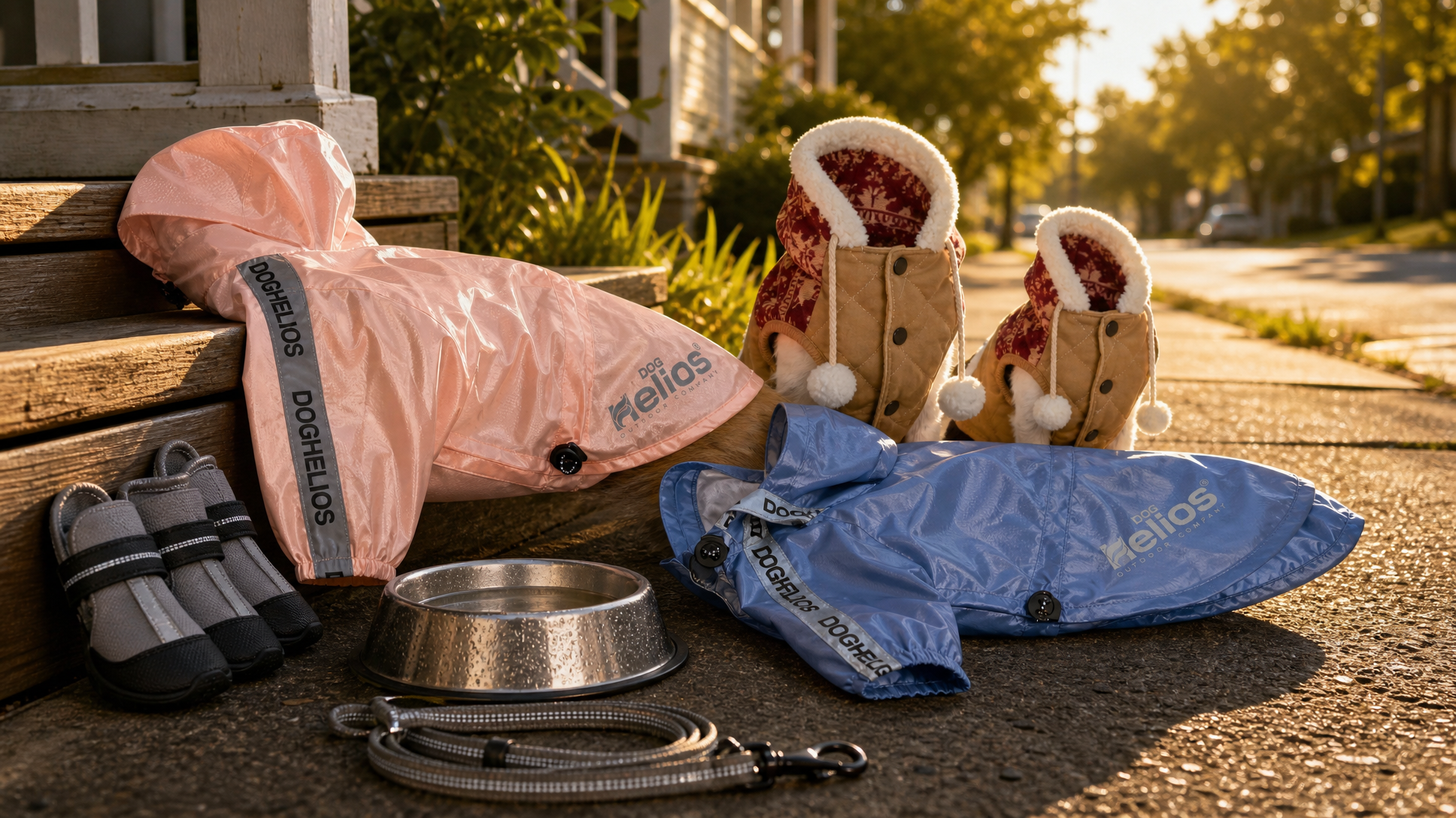
- Use booties to protect paws from rough or hot surfaces.
- Use lightweight dog backpacks when your pet is comfortable carrying gear.
- Introduce protective accessories gradually before lengthy hikes.
Recognizing and Managing Heat Fatigue
- Watch for heavy panting, drooping tongue, sluggishness, excessive saliva, or unstable movement.
- Stop activity immediately, find shade, offer water, and apply lukewarm damp towels to paws and body.
- Plan regular breaks and always carry sufficient water.
Consult Park Authorities
Rangers provide invaluable trail insights, wildlife warnings, and weather updates to help plan safe, tailored hiking excursions. For detailed hiking safety guidance, see Take Care of Texas - Dog Hiking Safety.
6. Conclusion: Responsible Outdoor Fun
Outdoor activities enrich your dog’s health and happiness, provided you invest in training, appropriate gear, and safety measures. Adapt strategies to your dog's unique needs, breed, and health, fostering a trusting, joyful partnership for years of adventures.
Equip your furry friend for success by discovering quality outdoor accessories from Petocart, your trusted source for premium harnesses, leashes, booties, and more.
Frequently Asked Questions
Q1: How do I start leash training my dog effectively?
Begin by introducing a comfortable harness or headcollar and use positive reinforcement techniques such as treats and praise when your dog walks calmly beside you. Pause and redirect immediately if your dog pulls to teach leash etiquette.
Q2: What vaccinations are essential before visiting a dog park?
Ensure your dog’s vaccinations for rabies, distemper, parvovirus, bordetella (kennel cough), and any region-specific vaccines like canine influenza are up to date to minimize illness risks in communal areas.
Q3: How can I safely manage encounters with loose dogs during walks?
Avoid known off-leash zones, use treats and distraction techniques when approaching loose dogs, carry deterrents like citronella spray, and create visual barriers. Maintain calm and control of your dog’s behavior to defuse tense situations.
Q4: Why are fixed-length leashes recommended over retractable leashes?
Fixed-length leashes provide consistent control, reducing the risk of snapping or entanglement common with retractable leashes. They help maintain closer proximity and safer management of your dog.
Q5: What signs indicate my dog is suffering from heat exhaustion on a hike?
Look for rapid, heavy panting, drooling, lethargy, weakness, unsteady gait, or excessive salivation. Stop hiking immediately, provide shade and water, and cool your dog gently with damp towels.