Cart
0
How to Minimize Shedding in Dogs and Cats: Expert Advice and Top-Gear Solutions
Keeping your home fur-free while enjoying the warmth of your furry companions takes thoughtful strategies. Understanding shedding, choosing the right grooming tools, optimizing nutrition, and maintaining a clean environment are essential for managing pet hair and keeping your pet’s coat healthy.
Key Takeaways
- Shedding varies by breed, season, health, and stress levels.
- Using high-quality grooming tools like stainless steel deshedders and slicker brushes effectively reduces loose fur.
- A balanced diet rich in omega-3s, vitamins, and proteins supports a healthy coat.
- Regular cleaning with pet hair-specific vacuums, rollers, and air purifiers keeps living spaces fur-free.
- Consult your veterinarian if shedding seems excessive or unusual to address potential health issues.
Table of Contents
- 1. Understanding Shedding: The Why and When
- 2. Grooming Essentials to Tackle Shedding
- 3. Nutrition and Skin Care for a Healthier Coat
- 4. Cleaning Solutions to Manage Pet Hair at Home
- 5. Grooming Schedule Recommendations
- 6. When to Consult a Veterinarian
- FAQ
1. Understanding Shedding: The Why and When
Shedding is a natural process where pets shed old or damaged hair to maintain a healthy coat. However, the intensity and timing of shedding depend on several factors:
- Breed Dynamics: Double-coated breeds like Labradors and Golden Retrievers shed heavily, whereas breeds such as Poodles and some short-haired cats shed minimally.
- Seasonal Changes: Pets usually shed more in spring and fall during seasonal transitions.
- Health Conditions: Excessive or uneven shedding may indicate allergies, parasites, skin issues, or nutritional deficiencies.
- Stress and Hormonal Factors: Anxiety, pregnancy, and hormonal imbalances can affect shedding patterns.
"If your pet’s shedding includes bald spots or skin irritations, consult your veterinarian immediately to rule out any medical concerns." – Dr. Lisa Lippman
Monitoring your pet’s shedding habits ensures timely care and a comfortable, fur-managed home.
2. Grooming Essentials to Tackle Shedding
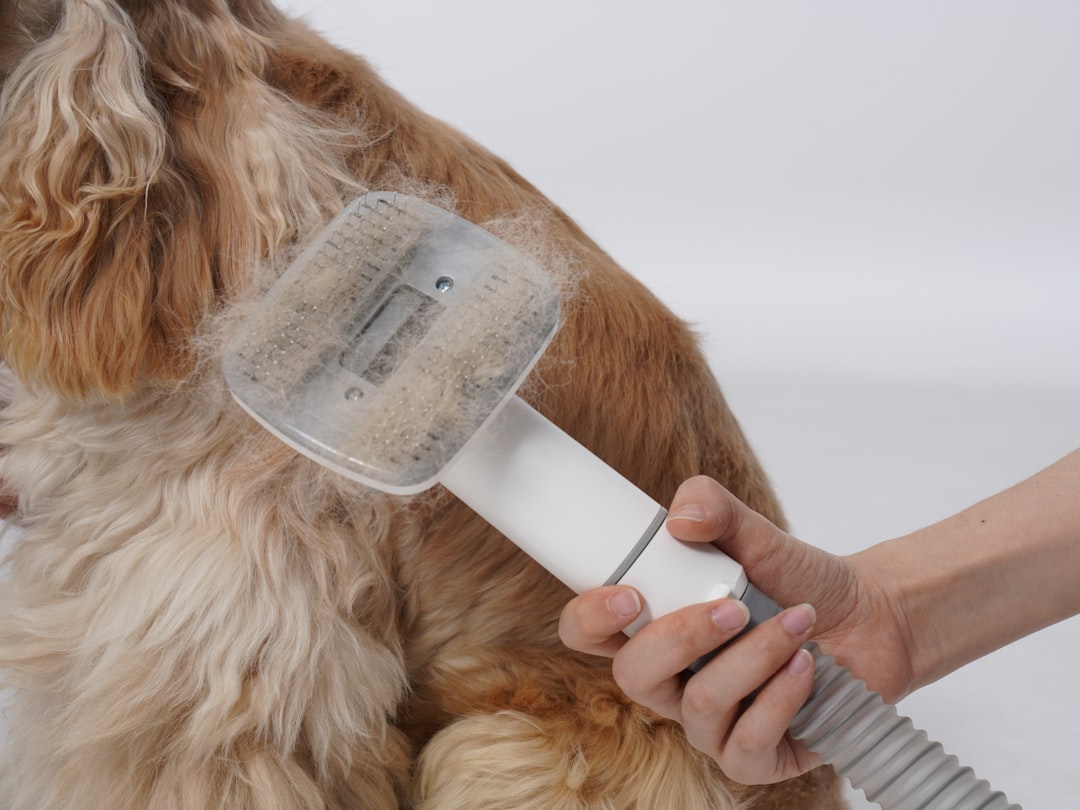
Proper grooming tools are indispensable for managing shedding effectively. Loosening the undercoat regularly promotes a healthier skin and coat while reducing loose hair around your home.
Top Grooming Tools
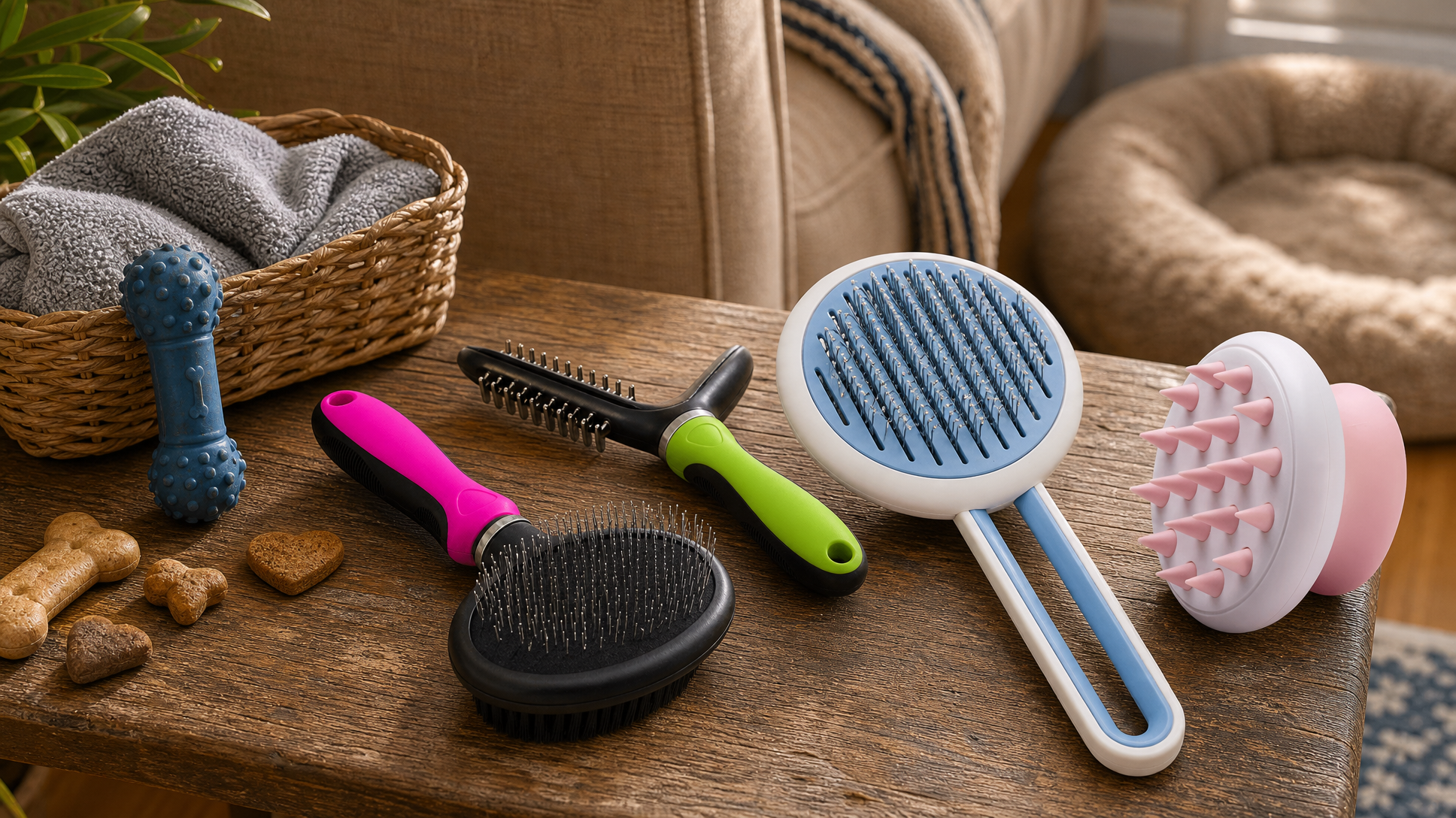
- Stainless Steel Deshedders: Tools like the FURminator Undercoat Deshedding Tool feature sharp stainless steel edges designed for various coat lengths and include a hair-release button for easy cleaning.
- Slicker Brushes: The Hertzko Self-Cleaning Slicker Brush offers fine, retractable steel pins that remove mats and loose fur comfortably, though their cleaning mechanism may degrade over time.
- Wave-Style Blade Tools: Brands like SleekEZ employ pet-safe barbed blades that can reduce shedding by up to 95%, especially effective for short-coated dogs.
- Undercoat Rakes: Perfect for thick-coated breeds such as Huskies and Golden Retrievers, these gently remove dense undercoats during heavy shedding.
Grooming Practices for Best Results
- Groom pets after baths to help loosen fur more effectively.
- Use gentle strokes to avoid skin irritation.
- Keep your grooming tools clean and well-maintained.
- Adjust brushing frequency based on your pet’s coat type:
- Short-haired: once a week
- Medium to long-haired: several times per week; daily in shedding seasons
- Double-coated: 3–4 times weekly; daily during heavy shedding
Well-chosen grooming gear reduces the frequency and cost of professional grooming while ensuring a pleasant experience for both pet and owner.
3. Nutrition and Skin Care for a Healthier Coat
A nutritious diet combined with proper skin care plays a critical role in minimizing shedding and promoting a shiny, healthy coat.
Key Nutritional Components
- Omega-3 Fatty Acids: Found in fish oils and seeds, they reduce inflammation and hydrate the skin.
- Vitamins and Minerals: Elements like copper, zinc, vitamin E, and biotin strengthen the coat and skin.
- Protein: Essential for hair follicle health and coat regeneration.
Consulting with a pet nutritionist or your vet helps tailor a dietary plan suited to your pet’s specific needs, potentially including supplements to fill nutritional gaps.
Skin Care Essentials
- Choose soothing shampoos containing oatmeal, aloe vera, or omega fatty acids to calm irritated skin and control shedding.
- Avoid harsh detergents and strong fragrances which can exacerbate hair loss.
Maintaining this balance of diet and skin care creates a resilient fur coat and limits excessive shedding.
4. Cleaning Solutions to Manage Pet Hair at Home
Using the right cleaning tools and habits is crucial in keeping your home fur-free despite your pet’s shedding.
Top Cleaning Tools
-
Pet Hair Vacuum Cleaners: Models with HEPA filters and pet-specific accessories include:
- Dyson V15 Detect with Hair Screw Tool
- Shark Navigator Legion
- iRobot Roomba J7+
- Pet Hair Removal Rollers: The Black + Decker Pet Hair Remover Roller is budget-friendly and effective for quick fur removal from fabric.
- Lint Rollers and Reusable Gel Pads: Instant solutions for removing fur from clothes and upholstery.
Air Purifiers Against Dander and Odors
Devices such as the Levoit Core P350 and Dyson air purifiers help eliminate airborne allergens, improving air quality alongside fur reduction.
Cleaning Tips
- Regularly launder pet beds with washable covers.
- Clean floors and furniture daily during heavy shedding periods.
- Combine lint roller use with vacuuming for best results.
5. Grooming Schedule Recommendations
Establish a grooming routine tailored to your pet’s coat type and shedding cycles to maintain optimal coat condition and reduce hair around your home.
| Coat Type | Grooming Frequency |
|---|---|
| Short-haired pets | Once a week |
| Medium to Long-haired pets | Multiple times per week; daily during shedding seasons |
| Double-coated breeds | 3–4 times weekly; daily during heavy shedding |
6. When to Consult a Veterinarian
If shedding escalates, accompanied by bald patches, skin sores, or behavioral changes, it is important to seek veterinary care. Common underlying causes include:
- Nutritional imbalances
- Parasites such as fleas or mites
- Hormonal disorders like thyroid issues
- Skin infections or dermatitis
A timely veterinary diagnosis ensures targeted treatment and improves your pet’s comfort and coat health.
FAQ
- Q: How often should I groom my dog to reduce shedding?
- A: Grooming frequency depends on the coat type. Short-haired dogs generally need weekly grooming, medium to long-haired dogs require multiple sessions per week, and double-coated breeds benefit from 3-4 times weekly grooming, increasing to daily during heavy shedding seasons.
- Q: Can diet really influence my pet’s shedding?
- A: Absolutely. A diet rich in omega-3 fatty acids, vitamins, minerals, and adequate protein supports healthy skin and fur, which helps reduce excessive shedding.
- Q: What grooming tools are best for heavy shedders?
- A: Stainless steel deshedders like the FURminator, undercoat rakes, slicker brushes, and wave-style blade tools are highly effective for dogs and cats that shed heavily.
- Q: How can I keep my home clean from pet hair?
- A: Use pet-specific vacuum cleaners with HEPA filters, pet hair rollers like the Black + Decker Pet Hair Remover Roller, lint rollers, and air purifiers to reduce airborne pet dander and fur in your living space.
- Q: When should I be concerned about shedding?
- A: If shedding includes bald patches, excessive fur loss, itching, skin sores, or behavioral changes, consult a veterinarian promptly as these may indicate underlying health issues.
Start your journey to a fur-free home today with expert-approved grooming tools and strategies from Likeable Pets.