Cart
0

The Ultimate Pet Wellness Routine: Unlock Health and Happiness by Consistent Daily Care
Establishing a consistent daily routine tailored to your pet’s unique needs enhances physical health, emotional well-being, and strengthens your bond for a long, happy life together.
Key Takeaways
- Consistency is vital for physical, emotional, and behavioral health in pets.
- Structured morning routines support energy, digestion, and a positive mood.
- Proper feeding schedules and nutrition promote digestion, bonding, and weight control.
- Exercise and mental stimulation prevent obesity, anxiety, and boredom.
- Daily grooming doubles as health monitoring and anxiety reduction.
- Quality rest aligned with natural rhythms is key for rejuvenation.
- Behavioral training fosters communication and confidence.
- Regular vet check-ups provide preventive care and personalized adjustments.
- Emotional well-being support is essential for avoiding stress-related behaviors.
- A flexible routine adapted as your pet grows keeps care effective and relevant.
Table of Contents
- 1. Start the Day Right: Morning Routine for Energy and Digestion
- 2. A Nutritious Rendezvous: Feeding for Timing, Portion Control, and Bonding
- 3. The Power of Exercise and Mental Challenge
- 4. Grooming and Health Watching: Crucial Daily Checkpoints
- 5. The Rejuvenating Power of Rest and Sleep
- 6. Behavioral Training: Enhancing Communication and Confidence
- 7. Preventive Veterinary Care: Your Wellness Ally
- 8. Emotional Well-Being Support: Eradicating Boredom, Anxiety, and Loneliness
- 9. Routine Flexibility: Adapting to Evolving Needs
- Conclusion
- FAQ
1. Start the Day Right: Morning Routine for Energy and Digestion
A strong morning routine sets the foundation for your pet’s well-being throughout the day. Begin with physical activity or play to align their natural rhythms, boost digestion, and promote a joyful mood.
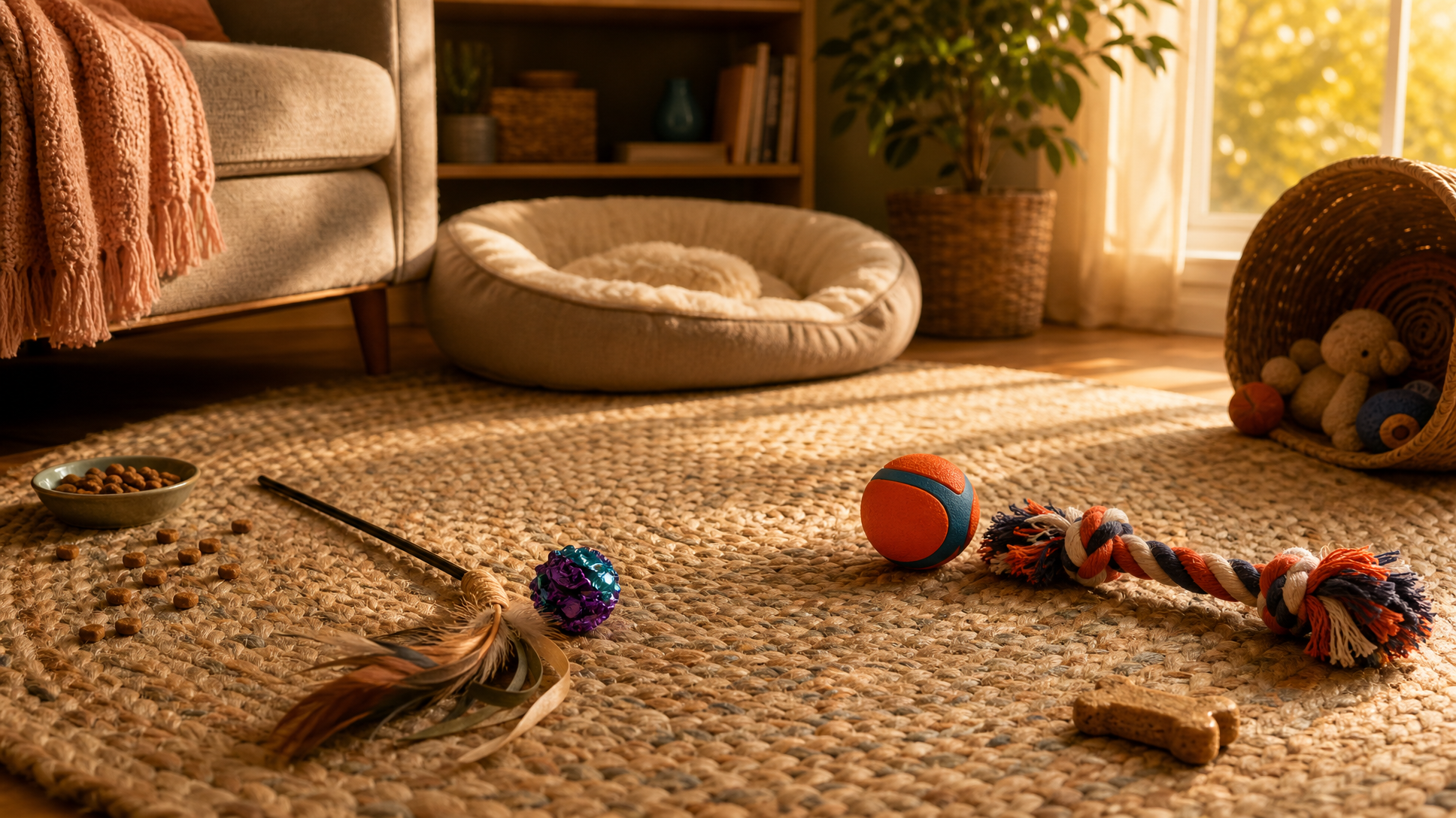
- Physical Exercise: For dogs, a brisk 30–60 minute walk or play session is ideal. Cats benefit from interactive play using feather wands or laser pointers.
- Mental Stimulation: Rotate toys regularly, incorporate puzzle feeders, and engage in scent games to keep your pet’s mind active and engaged.
- Health Checks: Use morning grooming sessions to examine your pet for any unusual signs like skin irritations or lumps, as advised by Southampton vets.
“Kickstart your pet’s day with care and watch their happiness and vitality soar.”
2. A Nutritious Rendezvous: Feeding for Timing, Portion Control, and Bonding
Feeding is a vital moment for nourishment and emotional bonding. Scheduled meals regulate digestion and create a calm atmosphere for your pet.
- Scheduled Meals: Stick to consistent feeding times each day. McKinney experts suggest twice daily for adult dogs and 3–4 times for puppies.
- Control Portions: Adjust portions according to age, weight, and activity. Always consult your vet to prevent obesity.
- Top-Quality Nutrition: Choose age-appropriate, nutrient-rich foods and avoid harmful human foods. Consult your vet before making dietary changes.
- Interactive Meals: Use puzzle feeders or slow feeding bowls to encourage playful eating and reduce gulping.
3. The Power of Exercise and Mental Challenge
Physical activity and mental engagement guard against obesity, anxiety, and cognitive decline. Tailor exercise choices by your pet’s energy levels and age.
- Activity Tailoring: Provide vigorous play or walks for young, high-energy pets; choose gentle exercises for seniors.
- Mental Enrichment: Incorporate daily training sessions, puzzle toys, and scent work to keep their intellect sharp.
- Social Interactions: Supervised playdates or group walks promote inclusion and emotional well-being.
4. Grooming and Health Watching: Crucial Daily Checkpoints
More than appearance, grooming is a chance to detect early health issues and calm your pet.
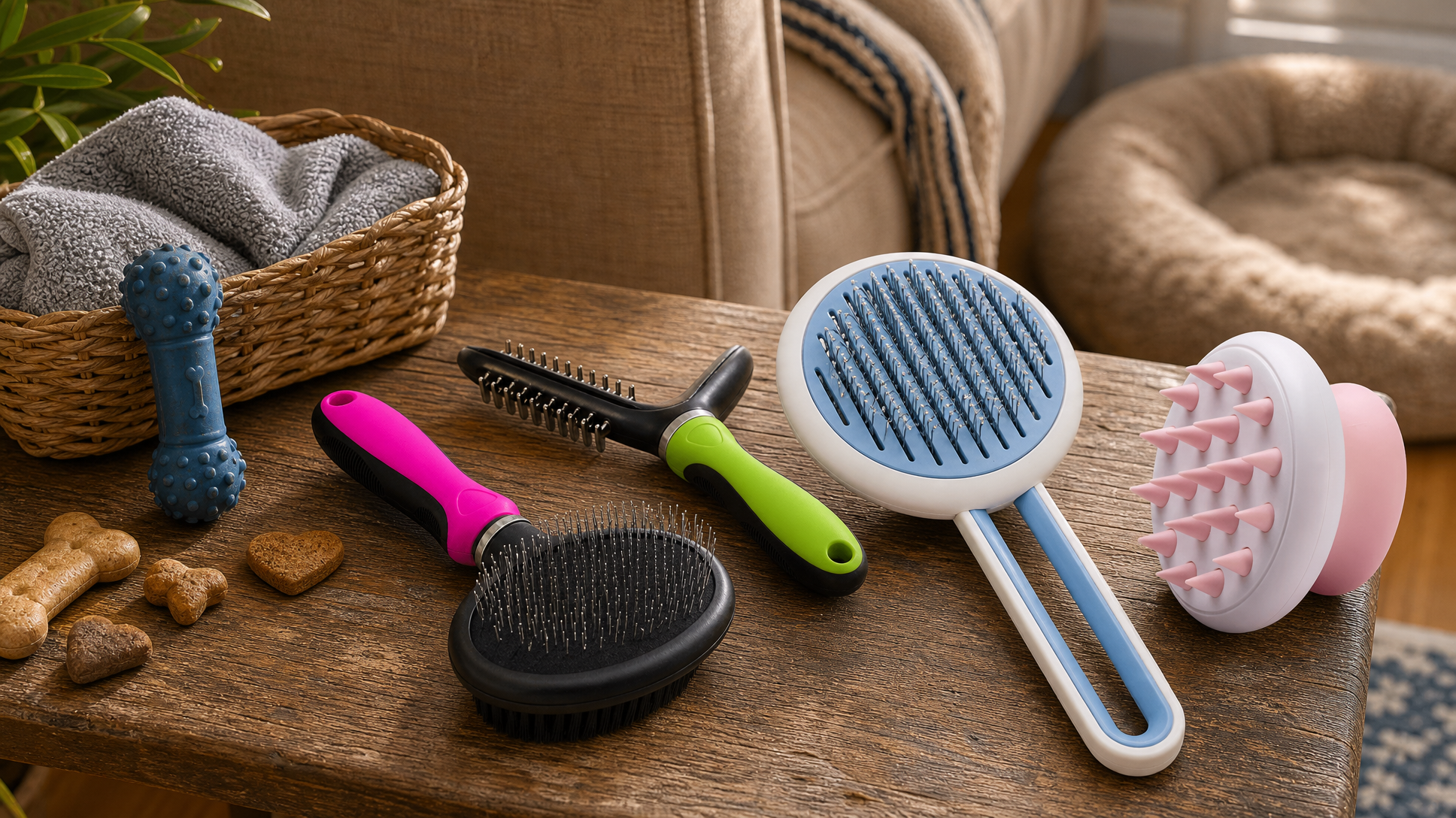
- Brushing: Brush daily according to coat type to reduce shedding and promote circulation.
- Nail Trimming: Trim every 3–4 weeks to prevent discomfort.
- Dental Care: Brush daily and schedule professional cleanings to prevent plaque buildup.
- Ear Hygiene: Clean ears weekly with vet-approved solutions, especially for breeds prone to infection.
- Health Inspections: Check for lumps or changes during each grooming session.
Evening grooming relaxes your pet, releasing calming hormones that strengthen your bond and reduce anxiety.
5. The Rejuvenating Power of Rest and Sleep
Quality rest supports mental health and physical recovery. Align sleep patterns with your pet’s natural rhythms for optimal wellness.
- Fixed Bed and Wake Times: Consistency in waking, walking, and feeding strengthens natural sleep cycles.
- Comfortable Sleeping Area: Provide a cozy, distraction-free bed to foster uninterrupted sleep.
- Curtailing Evening Activities: Avoid stimulating play near bedtime to promote calmness.
6. Behavioral Training: Enhancing Communication and Confidence
Consistent training builds communication, reduces anxiety, and encourages desirable behaviors.
- Positive Reinforcement: Use treats and praise to reward good behavior.
- Brief, Frequent Training: Keep sessions short—5–10 minutes multiple times daily—to maintain engagement.
- Command Introduction: Regularly challenge your pet with new commands and tasks.
- Socialization: Expose pets to varied environments to promote adaptability and ease anxiety.
7. Preventive Veterinary Care: Your Wellness Ally
Professional care complements your daily routine, catching issues early and tailoring care plans.
- Physical Assessments: Regular vet visits include weight checks, dental exams, and coat health assessments.
- Vaccinations: Stay current with region-specific disease prevention.
- Parasite Prevention: Flea, tick, and worm treatments are customized based on environment.
- Diagnostic Tests: Blood work and imaging help detect hidden concerns.
- Lifestyle Recommendations: Dietary, exercise, or behavior plans adjust as your pet ages or changes.
8. Emotional Well-Being Support: Eradicating Boredom, Anxiety, and Loneliness
Emotional nurturing prevents behavioral problems and supports graceful aging.
- Interactive Toys: Provide engagement during alone times with puzzle or activity-oriented toys.
- Technology Usage: Use pet cams to monitor and interact remotely, reducing separation anxiety.
- Calming Spaces: Create a quiet retreat area stocked with familiar scents.
- Quality Moments: Offer daily cuddles, grooming, and gentle interactions to reinforce trust.
9. Routine Flexibility: Adapting to Evolving Needs
While consistency matters, adapting routines to your pet’s changing needs ensures sustained well-being.
- Adjust routines when energy or appetite shifts.
- Monitor and modify behavior-related activities as issues arise or resolve.
- Respond to life events such as new pets, moves, or aging phases.
- Follow veterinary guidance for updated care plans.
Monthly routine reviews help keep your pet happy and healthy over time.
Conclusion
Building and maintaining a structured daily routine addressing exercise, nutrition, mental stimulation, grooming, rest, training, and veterinary care form the cornerstone of your pet’s vibrant life.
Remember to be consistent to nurture security and healthy habits; foster enrichment to nourish body and mind; collaborate closely with your vet to tailor care; and maintain flexibility to accommodate your pet’s evolving needs.
At Petocart, we believe a happy pet equals a healthy pet. Equip yourself with quality pet accessories—from interactive toys to grooming essentials and cozy bedding—designed to support your pet’s seamless daily wellness routine.
FAQ
How important is consistency in a pet’s daily routine?
Consistency creates security for pets, helping regulate digestion, behavior, and emotional stability. It instills healthy habits and reduces anxiety by providing predictability.
What are the best ways to mentally stimulate my pet daily?
Use varied interactive toys, puzzle feeders, training sessions, and scent games to challenge their intellect. Rotating activities and introducing new tasks prevents boredom.
How often should I groom my pet?
Daily brushing helps maintain coat health while nail trimming every 3-4 weeks, ear cleaning weekly, and dental care daily or as recommended keep your pet healthy and comfortable.
Why is flexibility important in a pet care routine?
Pets’ needs change with age, health, and life circumstances. Flexibility allows you to adjust feeding, exercise, or training to keep care relevant and effective throughout their lifetime.
How can I make vet care part of my pet’s routine?
Schedule regular check-ups and follow vet recommendations for vaccinations, parasite prevention, and diagnostic tests. Use vet advice to customize diet and exercise for ongoing health.