Cart
0
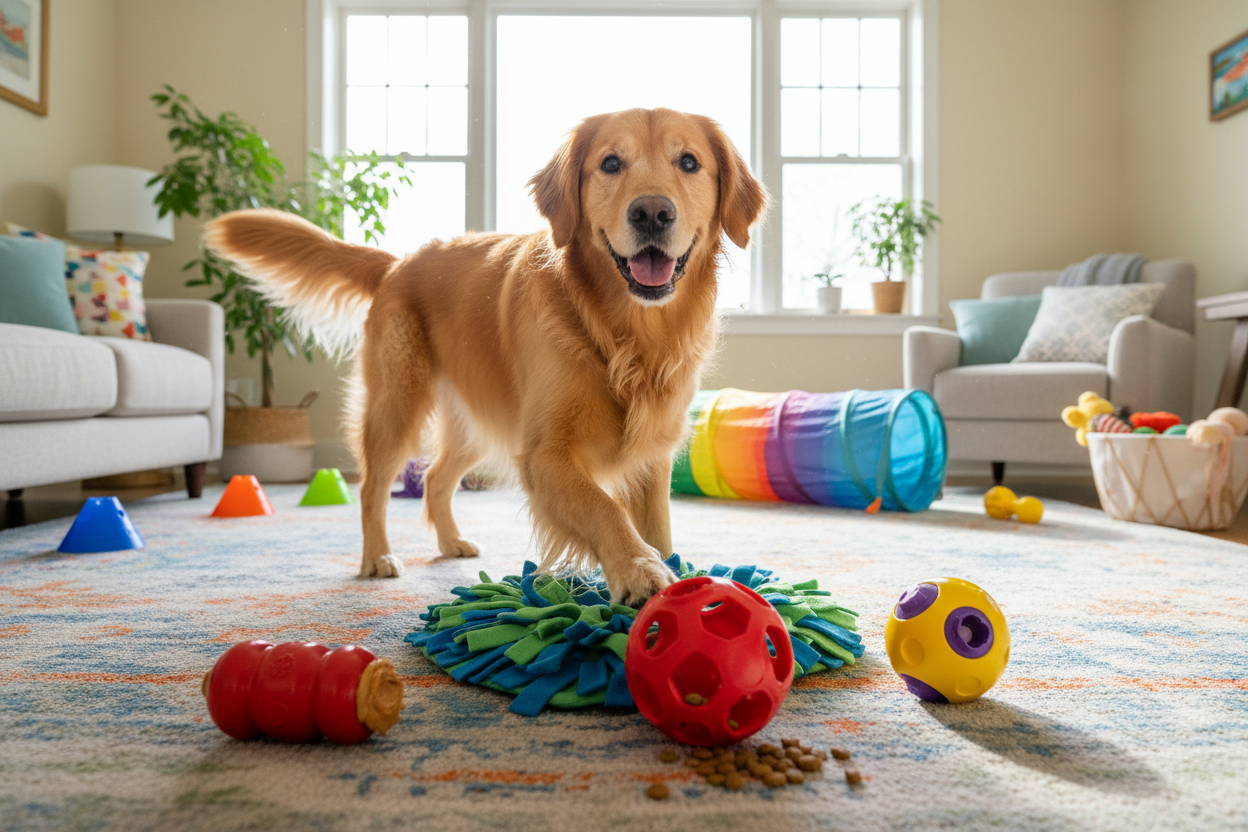
Best Indoor Dog Activities and Mental Enrichment Ideas to Keep Your Dog Happy and Healthy
Discover how to keep your canine companion mentally sharp, physically active, and emotionally balanced with a variety of vet-approved indoor activities and enrichment ideas designed to combat boredom, separation anxiety, and undesirable behavior.
Key Takeaways
- Mental Enrichment: Puzzle toys engage your dog’s brain, reducing boredom and destructive tendencies.
- Physical Exercise: Indoor games like tug-of-war and flirt poles promote fitness and focus even without outdoor space.
- Environmental Stimulation: Activities like treasure hunts and snuffle mats satisfy natural foraging instincts.
- Behavioral Training: Practicing new commands and calmness rewards improve obedience and reduce anxiety.
- Calming Media: Canine-friendly TV and music can soothe nerves when you’re not around.
- Social Interaction: Visits from trusted friends or dog walkers help break up solitude and boost happiness.
- Safety Measures: Selecting appropriate toys and gradual introduction prevent injuries and stress.
Table of Contents
- 1. The Importance of Indoor Dog Activities and Mental Enrichment
- 2. Interactive Toys: Engaging Puzzle Toys and Food-Dispensing Gadgets
- 3. Environmental Enrichment: Bring the Outdoors Inside
- 4. Physical Indoor Activities: Keeping Your Dog Fit and Focused
- 5. Behavioral Training and Obedience: Mentally Challenging for a Furious Friend
- 6. Calming Media Options: Music and TV for Your Pup
- 7. Social Play and Visits: Balancing Solitude with Interaction
- 8. Safety Measures for Indoor Dog Activities
- 9. Conclusion: Fostering a Happy Indoor Dog
1. The Importance of Indoor Dog Activities and Mental Enrichment
As a dedicated dog parent, ensuring your furry friend remains content, healthy, and calm during indoor or alone times is essential. Mental and physical enrichment is more than just play—it reduces boredom, separation anxiety, and prevents undesirable behaviors. A well-stimulated dog exhibits calmness, happiness, and forms a deeper bond with you. This guide explores indoor activities, toys, and enrichment strategies that are vet-approved and perfect for rainy days, busy schedules, or solo times at home.
2. Interactive Toys: Engaging Puzzle Toys and Food-Dispensing Gadgets
Interactive puzzle toys and food-dispensing gadgets are vital for enriching your dog’s indoor experience. These toys tap into their natural foraging instincts and provide mental stimulation while helping slow down rapid eaters.
Top Picks for Puzzle Toys
- KONG Toys: Timeless favorites that can be stuffed with treats like turkey and mashed sweet potatoes or peanut butter and banana. Freezing them extends the challenge and entertainment.
- KONG Goodiez Treat Dispenser: A rolling treat dispenser requiring manipulation to release kibble with adjustable difficulty for lasting engagement.
- KONG Gyro: Features a rotating center that dispenses treats, aiding slower eating and providing mental fun.
Benefits of Interactive Toys
- Mental stimulation that sharpens problem-solving skills and fights boredom.
- Encouragement of slower eating to aid digestion.
- Reduction in destructive chewing by keeping dogs busy.
- Extended playtime by hiding treats to prolong engagement.
Tip: Match toys to your dog’s size and chewing strength. For heavy chewers, select durable, chew-proof options and replace worn toys promptly for safety.
3. Environmental Enrichment: Bring the Outdoors Inside
Fulfilling your dog’s natural behaviors like sniffing, foraging, and digging indoors not only satisfies physical needs but prevents boredom-related mischief.
Treasure Hunt Games
Conceal cherished treats around your home in safe, accessible locations, gradually increasing difficulty to stimulate scent-tracking and cognitive skills.
Snuffle Mats and Indoor Dug-Out Areas
- Snuffle Mats: Layered mats that require dogs to forage for hidden treats, promoting engagement and mental activity.
- Indoor Digging Zones: Create a “digging pit” with blankets or a ball pit where your dog can safely dig, satisfying instinct without damaging your home.
These simulate outdoor experiences, providing emotional comfort and reducing anxiety.
4. Physical Indoor Activities: Keeping Your Dog Fit and Focused
When outdoor time isn’t available, indoor physical activities maintain your dog’s fitness and alertness.
Flirt Poles: A Playful Way to Practice Self-Control
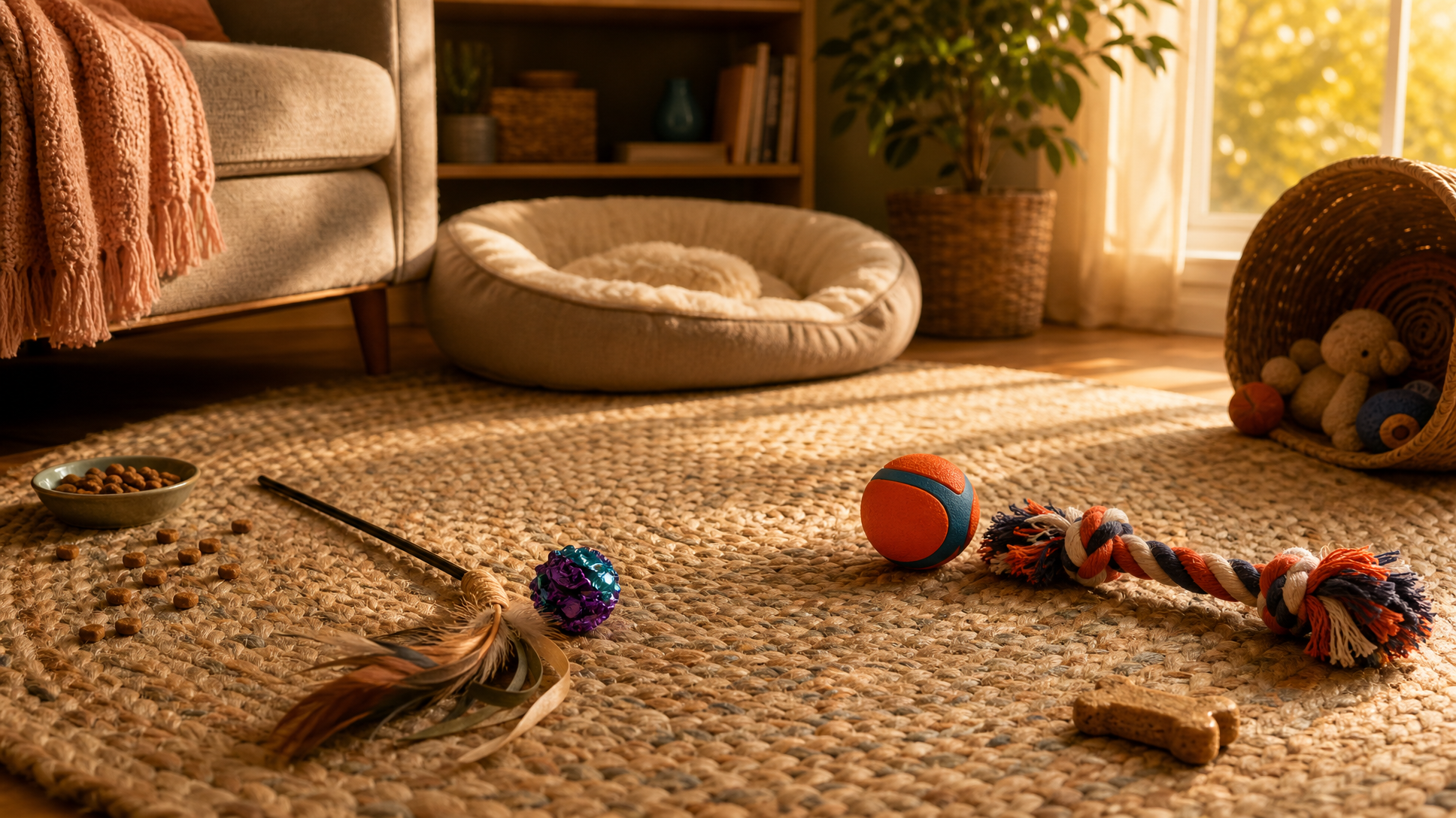
Using a long stick with a luring toy at the end, flirt poles encourage chasing and catching, fulfilling prey drives with controlled exercise.
- Exercise caution to prevent injuries from sudden movements.
- Train with commands like “leave it” and “take it” to promote impulse control.
Tug-of-War and Indoor Fetch
- Tug-of-War: Strengthens your bond and reinforces obedience with clear start/stop signals.
- Indoor Fetch: Use light, soft toys to encourage activity without risking injury or damage.
Indoor Agility and Balance Exercises
Set up obstacle courses from household items and use balance discs or wobble boards to improve stability, mobility, and confidence—especially helpful for seniors or those needing support.
5. Behavioral Training and Obedience: Mentally Challenging for a Furious Friend
Training routines boost cognition, enhance behavior, and ease alone times.
Mastering New Tricks and Commands
- Learning new tricks stimulates mental growth and focus.
- Commands like “stay,” “leave it,” and “wait” manage excitability and impulse control.
Cooperative Care Techniques
Teaching your dog to willingly offer paws or accept grooming helps reduce anxiety during care, building trust and comfort.
Rewarding Calmness
Linking calm, quiet moments with positive rewards lowers separation anxiety and teaches peaceful behavior.
6. Calming Media Options: Music and TV for Your Pup
When physical presence isn’t possible, gentle auditory and visual stimulation offers companionship and anxiety relief.
Canine-Conscious Television and Melodies
- Channels like DogTV and specially curated calming music help soothe stress.
- Natural ambient sounds and peaceful social noises provide comfort without excitement.
Usage Guide and Precautions
- Monitor your dog’s reaction initially.
- Secure media devices to prevent damage from playful behavior.
- Pair media exposure with other enrichment to avoid overstimulation or boredom.
7. Social Play and Visits: Balancing Solitude with Interaction
Dogs crave companionship beyond their primary owners. Regular social contact helps emotional well-being.
Engaging Dog Walkers and Midday Meetings
- Professional dog walkers provide exercise and social time when you are busy.
- Trusted neighbors or friends can offer companionship and bathroom breaks.
These visits prevent monotony, dissipate pent-up energy, improve behavior, and ease feelings of seclusion.
Reading Canine Body Language During Interaction
Before social engagements, observe your dog carefully to ensure they are ready and comfortable. Promoting relaxed and mutual play minimizes stress and fosters positive experiences.
8. Safety Measures for Indoor Dog Activities
- Select non-toxic, durable toys matched to your dog’s chewing style.
- Exercise caution during vigorous activities to avoid joint or muscle injuries.
- Regularly inspect and replace worn or broken toys.
- Use soft, lightweight toys for indoor games and avoid slippery surfaces during exercise.
- Introduce new activities gradually to prevent overwhelm.
9. Conclusion: Fostering a Happy Indoor Dog
Your dog’s happiness stems from a well-rounded combination of mental, physical, and social stimulation—especially important during indoor or alone periods. By selecting engaging, vet-approved toys such as KONG products, implementing varied activities, and prioritizing safety, you create a joyful and balanced home environment for your furry companion. These efforts translate into calmer behavior and a cheerful disposition, no matter the weather or your schedule.
FAQ
- What are the best interactive toys for indoor dogs?
- Puzzle toys like KONG products, the KONG Goodiez Treat Dispenser, and KONG Gyro are excellent choices that promote mental stimulation and slow eating.
- How can I keep my dog busy indoors without outdoor space?
- Engage them with treasure hunt games, snuffle mats, flirt poles, tug-of-war, indoor fetch, and training sessions to satisfy both physical and mental needs.
- Is it safe to use TV or music for dogs left alone?
- Yes, canine-conscious TV channels and calming music can reduce anxiety if introduced gradually and paired with other enrichment. Always monitor your dog’s response initially.
- How do I ensure safety during indoor play?
- Use non-toxic, durable toys sized appropriately for your dog, avoid slippery floors, check toys often for damage, and introduce new activities slowly.
- Can indoor activities reduce separation anxiety?
- Yes, consistent mental stimulation, calmness training, and occasional social visits help decrease anxiety and improve your dog's overall mood during alone times.