Cart
0
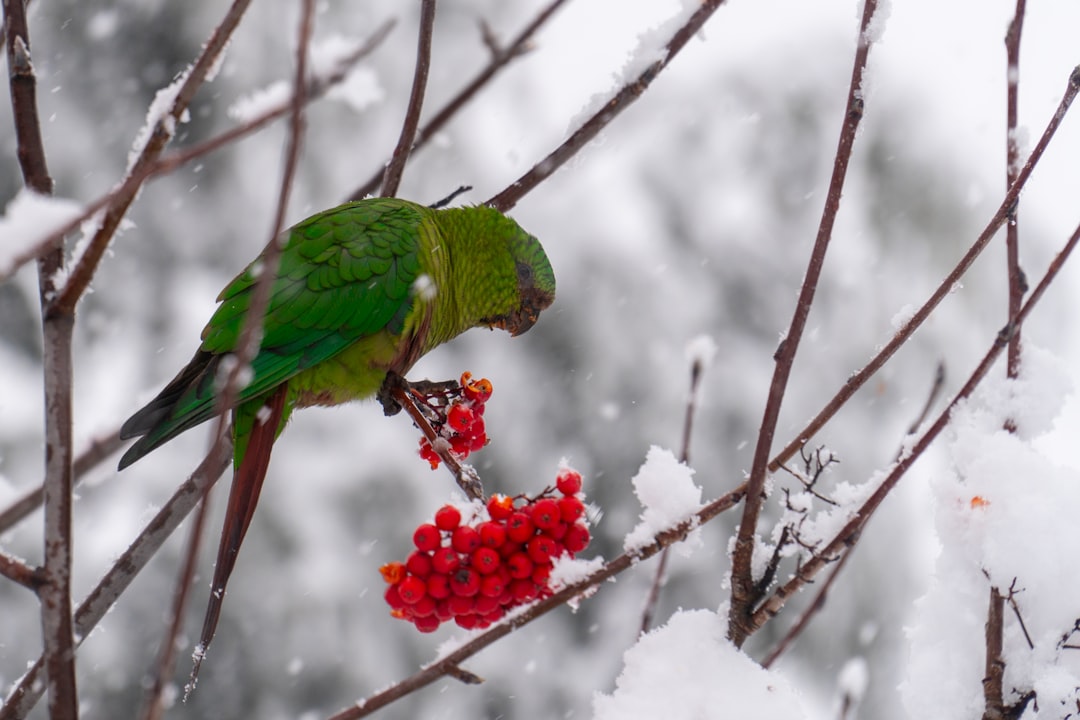
Ultimate Winter Bird Care Guide: Best Foods, Hydration, and Pet Parrot Tips
Winter creates special demands on the care of both wild birds and pet parrots. From calorie-rich foods to hydration and stress management, proper attention keeps your feathered friends healthy and thriving throughout the cold months.
Key Takeaways
- High-fat foods like black oil sunflower seeds, suet, and peanuts supply essential winter energy for wild birds.
- Hydration is critical; heated baths and frequent fresh water keep birds healthy when natural water freezes.
- Pet parrots require careful temperature control, balanced diets, and humidified environments indoors.
- Avoid toxic foods such as chocolate, avocado, and alcohol to keep pet birds safe.
- Maintaining routines, offering enrichment, and minimizing stress support parrot wellbeing in winter.
Table of Contents
- 1. Why High-Fat Foods Are Essential for Winter Bird Feeding
- 2. Hydration: The Overlooked Winter Essential for Birds
- 3. Winter Care for Pet Parrots: Temperature, Diet, and Safe Environment
- 4. Creating a Low-Stress Environment for Pet Birds During Winter
- 5. Summary: Winter Bird Care Quick Reference
- FAQs
1. Why High-Fat Foods Are Essential for Winter Bird Feeding
As temperatures fall, wild birds require calorie-dense nutrition to produce body heat and sustain activity during cold, long nights. High-fat foods provide the energy needed to survive winter’s harsh conditions.
Top High-Fat Foods for Backyard Birds
-
Black Oil Sunflower Seeds
Highly favored, these seeds have nearly double the calories of striped sunflower seeds and thinner shells for easy eating. They offer vital fat and protein to many bird species. -
Suet
Pure animal fat packed with about 9 calories per gram, suet is especially beneficial for insect-eating birds like woodpeckers when insects are scarce. Place suet blocks in protected feeders or securely on branches. -
Unsalted Peanuts
Rich in fat and protein, peanuts are a nutritious treat popular among various bird species. Offer shelled or chopped peanuts and consider blends incorporating them into suet.
Choose a Smart Feeding Spot
Position feeders in sheltered areas near shrubs or trees, but away from prevailing winds and predators. Proper placement helps birds feel safe while conserving energy.
Learn more about optimal winter bird foods from Wild Birds Unlimited and Audubon’s top picks.
2. Hydration: The Overlooked Winter Essential for Birds
Water is as important as food during winter, yet freezing conditions often limit natural water access for birds. Both wild and pet birds need consistent hydration to maintain healthy bodily functions.
Hydration Tips for Wild and Pet Birds
-
Heated Bird Baths
Use a heated bath or add a thermostatic heater to keep water liquid and accessible despite freezing temperatures. -
Regular Water Changes
If heating is not feasible, refresh water often throughout the day to replace ice and ensure cleanliness. -
Indoor Hydration for Parrots
Pet parrots benefit from fresh water daily, a humidifier to combat dry indoor air, and gentle misting to support feather and skin health.
Proper hydration supports digestion, circulation, and temperature regulation—critical areas for winter bird health.
Explore more hydration strategies at Perky-Pet's winter bird feeding guide.
3. Winter Care for Pet Parrots: Temperature, Diet, and Safe Environment
Pet parrots rely fully on their owners to provide warmth, quality nutrition, and a secure environment through winter. Indoor hazards such as dry air and toxins require vigilant management.
Celebrate the season with savings — get 5% off your order using code EXCLUSIVE5 at checkout
Temperature Management for Pet Parrots
- Locate cages away from drafts, windows, radiators, vents, and doors to prevent sudden temperature changes.
- Use a breathable cage cover at night to help retain warmth and comfort without restricting airflow.
- Increase humidity gently using a room humidifier or light misting to alleviate dry air effects on skin and feathers.
Nutrition: Feed for Warmth and Balance
- Provide a foundation of quality pellets and fresh vegetables.
- Supplement with moderate amounts of high-quality seeds and nuts to supply additional calories.
- Avoid processed or sugary snacks—stick to bird-safe natural treats.
Foods to Strictly Avoid
Never feed your parrot:
- Chocolate – Contains theobromine and caffeine, toxic to birds.
- Avocado – Contains persin, which can cause severe heart damage.
- Other toxic items – Alcohol, onions, garlic, salty foods, and refined sugars.
Educate all household members and keep dangerous foods out of reach to ensure your bird’s safety.
Learn more from Farmstore’s guide to safe and toxic bird foods.
4. Creating a Low-Stress Environment for Pet Birds During Winter
Winter can increase stress for pet parrots due to changes in routine, holiday activity, and environmental factors.
Reducing Winter Stress in Your Parrot
- Maintain Consistent Routines – Regular feeding, play, and sleep schedules create security.
- Regulate Light Exposure – Ensure 10–12 hours of darkness nightly to support healthy circadian rhythms.
- Create Refuge Within the Cage – Add soft hideouts or privacy areas where your bird can retreat.
- Avoid Airborne Irritants – Keep birds away from smoke, kitchen fumes, cleaning aerosols, and strong scents.
- Offer Mental Stimulation – Use puzzles, toys, and foraging activities to keep your parrot engaged and happy.
“A mentally engaged parrot is a healthier, happier parrot throughout winter’s long days.”
5. Summary: Winter Bird Care Quick Reference
| Care Aspect | Wild Birds | Pet Parrots |
|---|---|---|
| Food | High-fat: black oil sunflower seeds, suet, peanuts | Balanced diet with pellets, fresh veggies, moderate seeds/nuts |
| Water | Heated baths, regular fresh water | Always fresh water; humidity support with misting/humidifiers |
| Temperature | Feeders sheltered from cold and wind | Cage placed away from drafts and heat sources |
| Toxic Foods | N/A | Avoid chocolate, avocado, alcohol, onions, garlic, salt, sugar |
| Stress | Quiet, sheltered feeding areas | Predictable routine, low-noise environment, enrichment toys |
Conclusion: Supporting Bird Health Through Winter With Thoughtful Care
Winter challenges both wild and pet birds, but careful planning and attention to diet, hydration, temperature, and stress reduction make a significant difference. Providing calorie-rich foods, fresh water, safe indoor environments, and mental enrichment ensures your feathered friends not only survive—but thrive—through the season.
For curated winter bird care accessories and essentials, visit Petocart and create a nourishing, safe haven for the birds that brighten your home and backyard.
FAQs
Q1: Why are high-fat foods important for birds in winter?
High-fat foods provide concentrated calories necessary for birds to generate body heat and sustain energy through cold temperatures and limited daylight.
Q2: How can I keep water accessible for wild birds during freezing weather?
Use heated bird baths or add thermostatic heaters to shallow water containers. If not possible, change water frequently throughout the day to prevent freezing.
Q3: What foods should I avoid feeding my pet parrot?
Never feed your parrot chocolate, avocado, alcohol, onions, garlic, salty foods, or refined sugar as these are toxic and can be fatal.
Q4: How do I reduce stress for my parrot during winter?
Maintain consistent daily routines, control light exposure, provide safe hideouts, avoid irritants, and offer interactive toys and enrichment activities.
Q5: Can misting help my parrot in winter?
Yes, gentle misting helps combat dryness caused by indoor heating, supporting healthy feathers and skin integrity during winter.