Cart
0
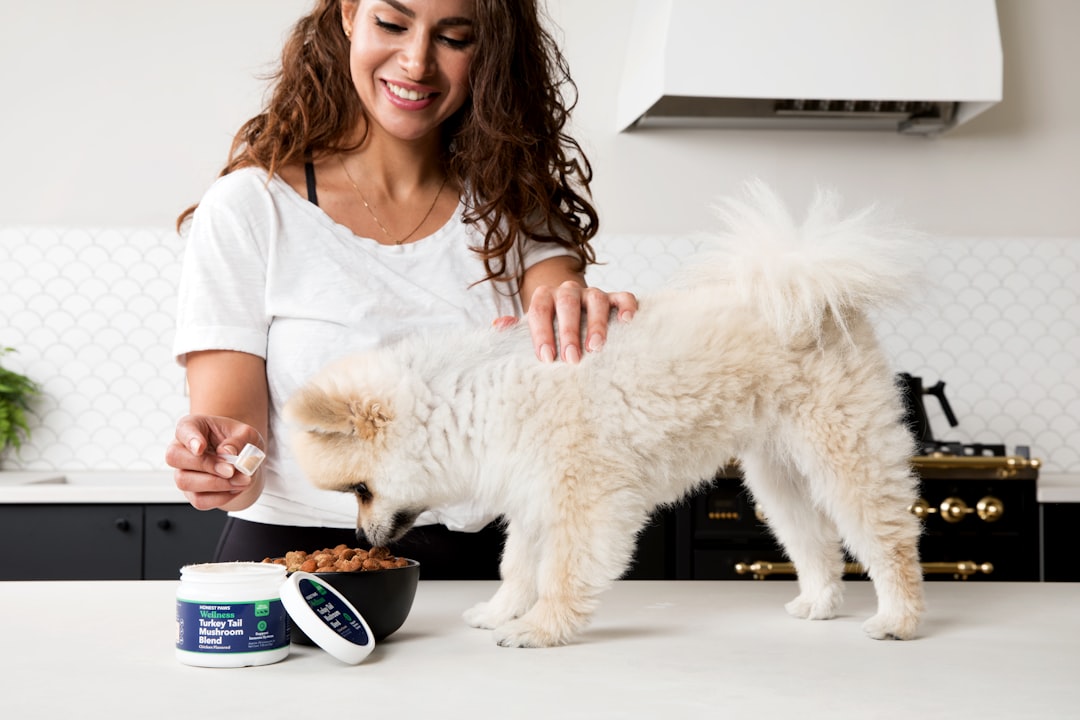
Ultimate Guide to Feeding Your Pet a Balanced Diet: Expert Tips for Healthy Dogs and Cats
Feeding your pet a balanced diet is essential to their health, vitality, and longevity. This comprehensive guide covers everything from species-specific nutritional needs to the importance of protein quality, fat management, and hydration, empowering you with expert knowledge to support your furry friend’s wellbeing.
Key takeaways
- Balanced diets provide vital nutrients essential for energy, immune health, and longevity.
- Dogs are versatile omnivores; cats are obligate carnivores requiring specific amino acids.
- High-quality animal protein is crucial for muscle and organ health.
- Fat intake must be moderated, especially in pets prone to obesity or pancreatitis.
- Complex carbohydrates support digestion; simple sugars should be avoided.
- Vitamins, minerals, and hydration play indispensable roles in overall pet health.
- Treats should be given sparingly to maintain nutritional balance and avoid weight gain.
- Homemade diets require veterinary guidance to prevent nutrient imbalances.
- Gradual food transitions reduce digestive upset.
- Veterinary counsel is key to personalized and safe pet nutrition.
Table of contents
- 1. Why a Balanced Diet Is Crucial for Your Pet’s Health
- 2. Species-Specific Dietary Needs for Dogs and Cats
- 3. The Significance of Protein Quality for Your Pet’s Dietary Regimen
- 4. Navigating Fat Intake for Health and Energy
- 5. Champions of Carbohydrates—Steering Clear of Simple Sugars
- 6. The Quintessential Role of Vitamins and Minerals for Your Pet’s Welfare
- 7. Upholding Optimal Health by Sanctifying Adequate Hydration
- 8. Treats and Table Scraps: Steering a Fine Line Between Indulgence and Moderation
- 9. Homemade Diets: Weighing the Pros and Cons Against the Backdrop of Veterinary Sustenance
- 10. Charting a Steady Course During Food Transitions
- 11. Recognizing Signals of Nutritional Imbalance From Your Pet
- 12. Elevating Your Pet’s Nutrition Through Veterinary Counsel
1. Why a Balanced Diet Is Crucial for Your Pet’s Health
Providing your pet with a well-rounded diet delivers essential nutrients necessary to meet daily energy demands, support muscle maintenance, bolster immune defenses, and enhance mental acuity. A balanced diet manifests visibly through a glossy coat, smooth digestion, and maintenance of ideal weight.
Vital components include:
- Adequate protein from premium animal sources
- Controlled fat intake for energy and coat health
- Complex carbohydrates for sustained energy and digestive support
- Vitamins and minerals to strengthen bones, metabolism, and immunity
- Proper hydration for digestion and temperature regulation
Nutritional neglect can cause weight issues, dull coats, low energy, digestive problems, and serious illnesses. Understanding your pet’s specific dietary needs is the key to prevention.
2. Species-Specific Dietary Needs for Dogs and Cats
Dogs and cats have distinct biological compositions that shape their nutritional demands.
Dogs as Versatile Omnivores
Dogs thrive on a diverse diet that includes:
- High-quality animal proteins from meat, fish, and poultry
- Complex carbohydrates from grains and vegetables for energy
- Moderate fats contributing to energy and skin condition
Cats as Picky Obligate Carnivores
Cats require diets rich in animal proteins because they cannot efficiently process plant nutrients:
- Proteins with a full amino acid profile, especially taurine and arginine
- Essential fatty acids from animal fats
- Low carbohydrates to avoid health issues
Feeding species-appropriate diets helps prevent nutrient deficiencies and supports natural metabolic functions. Learn more about species-specific guidance at PubMed.
3. The Significance of Protein Quality for Your Pet’s Dietary Regimen
Protein quality is as critical as the amount provided. High-quality proteins deliver all essential amino acids for muscle, skin, and organ health.
Identifying Top-Quality Proteins
- Animal-based proteins: Meat, fish, and poultry offer comprehensive amino acid profiles and are highly digestible.
- Plant proteins: Often incomplete and less digestible, not ideal as main protein sources.
Quality proteins aid tissue repair, immune support, and lean muscle retention, especially crucial for active or recovering pets.
4. Navigating Fat Intake for Health and Energy
Fat is an important energy source and supports skin and coat health via essential fatty acids but must be consumed in balanced quantities.
The Role of Fat in Your Pet’s Nutritional Routine
- Provides concentrated energy, vital for active pets
- Supplies omega-3 and omega-6 fatty acids for skin and coat vitality
- Facilitates absorption of fat-soluble vitamins A, D, E, and K
Mitigating Fat Overconsumption and Associated Risks
Excess fat can cause obesity and pancreatitis, a serious pancreas inflammation requiring low-fat diets. Managing fat involves:
- Veterinarian-approved low-fat commercial diets
- Controlling portion sizes
- Eliminating fatty treats and table scraps
High-protein, low-fat diets promote fat loss while preserving muscle during weight management. For more details, see ISVMA.
5. Champions of Carbohydrates—Steering Clear of Simple Sugars
Complex carbohydrates are essential for digestion and steady energy, while simple sugars and fillers offer no nutritional value and pose health risks.
The Boons of Complex Carbohydrates
- Support digestion through fiber content
- Provide glucose for energy without blood sugar spikes
- Promote gut health and regular bowel movements
Words of Caution: The Perils of Simple Carbohydrates and Fillers
- Sugars and fillers add calories without nutrients, increasing obesity risk
- Excess sugars contribute to dental issues and metabolic disorders like diabetes
When selecting commercial foods, prioritize ingredients such as whole grains, brown rice, sweet potatoes, and vegetables instead of corn syrup or high-starch fillers.
6. The Quintessential Role of Vitamins and Minerals for Your Pet’s Welfare
Vitamins and minerals regulate critical functions including bone strength, immunity, energy metabolism, and cellular processes.
Key Micronutrients to Safeguard
- Calcium and phosphorus for healthy bones and teeth
- Vitamin B12 supporting nervous system and red blood cells
- Zinc for skin rejuvenation and immune enhancement
- Vitamins A, D, E, and C contributing to metabolic vitality
Homemade diets often lack these nutrients unless properly supplemented, risking serious deficiencies. Always consult a veterinarian before feeding homemade meals. Explore risks at ElSevier.
7. Upholding Optimal Health by Sanctifying Adequate Hydration
Water is fundamental for digestion, nutrient absorption, temperature regulation, and kidney/urinary health.
Pets must have free access to fresh, clean water at all times. Cats, descended from desert ancestors, may drink less water naturally—wet foods can help boost their hydration.
8. Treats and Table Scraps: Steering a Fine Line Between Indulgence and Moderation
Treats enhance bonding but must be regulated to avoid nutritional imbalances and obesity.
Artful Ways to Dispense Treats
- Limit treats to 10–15% of daily caloric intake
- Use low-calorie options like carrot sticks, broccoli florets, or formulated healthy treats
- Avoid fatty, sugary, or salty human foods that could harm your pet
Dr. Joseph Wakshlag of Cornell University warns about pets receiving over 20% of their calories from treats, which can cause weight gain and nutrient deficiencies.
9. Homemade Diets: Weighing the Pros and Cons Against the Backdrop of Veterinary Sustenance
Homemade meals allow ingredient control but carry risks of nutrient imbalances without supplementation or veterinary oversight.
Epitomes of Risks Tethered to Homemade Diets
- Deficiencies in calcium, B12, zinc, and other nutrients
- Imbalanced nutrient ratios leading to bone, skin, or organ issues
- Challenges in ensuring complete nutrition without supplements
White Hats in Action
- Consult veterinary nutritionists before starting homemade diets
- Use commercial vitamin and mineral supplements designed for pets
- Schedule regular health check-ups to monitor nutritional status
Veterinary guidance is essential to avoid harmful nutrient imbalances.
10. Charting a Steady Course During Food Transitions
Sudden changes in diet can trigger vomiting, diarrhea, or other digestive issues.
Tried-and-Tested Transition Techniques
- Introduce new food gradually over 7–10 days
- Start with 10% new food mixed with 90% old food
- Increase new food proportion while decreasing old food in stages
- Observe for signs of intolerance or distress
- Extend transition time if needed to ensure tolerance
Slow transitions support digestive health and minimize gastrointestinal upset.
11. Recognizing Signals of Nutritional Imbalance From Your Pet
Since pets cannot verbally express discomfort, watch for these indicators of dietary issues:
- Dull or patchy coat, excessive hair loss
- Lethargy or reduced activity
- Unexplained weight gain or loss
- Persistent vomiting, diarrhea, or bowel incontinence
- Behavior changes like irritability or low vitality
If these signs appear, consult a veterinarian promptly for a thorough nutritional evaluation.
12. Elevating Your Pet’s Nutrition Through Veterinary Counsel
Working with veterinarians helps tailor nutrition plans based on your pet’s age, breed, health, and lifestyle.
Nuggets Galore in Vet-Recommended Nutrition
- Customized meal plans addressing individual needs
- Monitoring and prevention of nutrient deficiencies and chronic diseases
- Specialized diets for medical conditions
- Comprehensive clinical nutrition services for complex cases
Veterinary centers offer education, dietary consultations, and ongoing care to optimize your pet’s health. For detailed guidance, refer to the American Animal Hospital Association (AAHA) Guidelines.
In Conclusion: Funneling Priorities Buttressful Balanced Nutrition Toward a Happy, Healthy Pet
Offering your dog or cat a balanced, species-appropriate diet enriched with quality proteins, moderate fats, complex carbohydrates, and essential vitamins and minerals establishes a foundation for lifelong health. Balanced treat allocation, gradual diet transitions, and careful consideration of homemade versus commercial foods—always with veterinary input—complete the blueprint for conscientious pet parenting.
Ready to embark on your pet's nutrition journey with a curated selection of gourmet foods and healthy treats? Explore Petocart and discover nutritious options tailored to your pet’s unique dietary needs.
FAQ
Q1: How do I know if my pet’s diet is balanced?
Monitor your pet’s coat quality, energy levels, weight stability, digestion, and overall vitality. Regular veterinary check-ups can confirm the adequacy of their nutrition.
Q2: Can I feed my dog or cat a vegetarian or vegan diet?
Cats are obligate carnivores and require animal proteins; feeding a vegan diet risks severe deficiencies. Dogs may tolerate some plant-based ingredients but still need high-quality animal protein. Always consult a veterinarian before considering such diets.
Q3: How should I introduce a new food to my pet?
Gradually transition over 7–10 days by mixing increasing amounts of new food with decreasing old food, monitoring for any digestive upset.
Q4: Are table scraps safe for my pet?
Table scraps are often high in fat, salt, or sugar and can disrupt balanced nutrition. If given, limit to small amounts within treat caloric guidelines and avoid harmful ingredients.
Q5: When should I consult a veterinarian about my pet’s diet?
Always seek veterinary advice before making major diet changes, starting homemade meals, or if you notice signs of nutritional imbalance or health issues in your pet.