Cart
0

Ultimate Winter Pet Care Guide: How to Keep Your Dog Safe and Comfortable This Cold Season
Winter’s cold can be harsh on dogs, but with the right care, you can ensure your furry companion stays happy, healthy, and warm all season long. This comprehensive guide covers skin care, paw protection, nutrition, exercise, safety tips, and more to help your dog thrive despite the chill.
Key Takeaways
- Winter dryness affects your dog's skin; moisturizing and proper grooming are essential.
- Paw health is critical to prevent injuries from ice, salt, and frostbite.
- Clothing and limited outdoor time protect vulnerable dogs from cold exposure.
- Beware of antifreeze and chemical hazards common in winter environments.
- Hydration and adjusted nutrition support your dog's energy and well-being.
- Senior dogs benefit from joint care and warm, comfortable resting spaces.
- Indoor exercise and mental stimulation help maintain fitness during icy months.
- Routine veterinary checks help catch and manage winter-related health issues early.
Table of Contents
- 1. Protecting Your Dog’s Skin and Coat During Winter
- 2. Essential Winter Paw Care: Booties, Balm, and More
- 3. Managing Cold Exposure: Clothing and Outdoor Time for Dogs
- 4. Winter Hazards: Antifreeze and Chemical Safety for Pets
- 5. Hydration and Nutrition: Fueling Your Dog for Winter
- 6. Joint Care and Support for Senior Dogs in Winter
- 7. Keeping Your Dog Active: Indoor Exercise and Mental Stimulation
- 8. Winter Veterinary Care and Safety Monitoring
- 9. Final Thoughts: Preparing Your Pet for a Safe and Happy Winter
1. Protecting Your Dog’s Skin and Coat During Winter
Cold, dry air combined with indoor heating strips away natural oils from your dog’s skin, causing dryness, itching, and irritation. Frequent baths may worsen this, making it crucial to adjust grooming habits during winter.
Why Dogs Develop Dry Skin in Winter
Natural oils diminish due to cold conditions and heated indoor air. Additionally, excess bathing removes what little oil remains, leaving skin fragile and flaky.
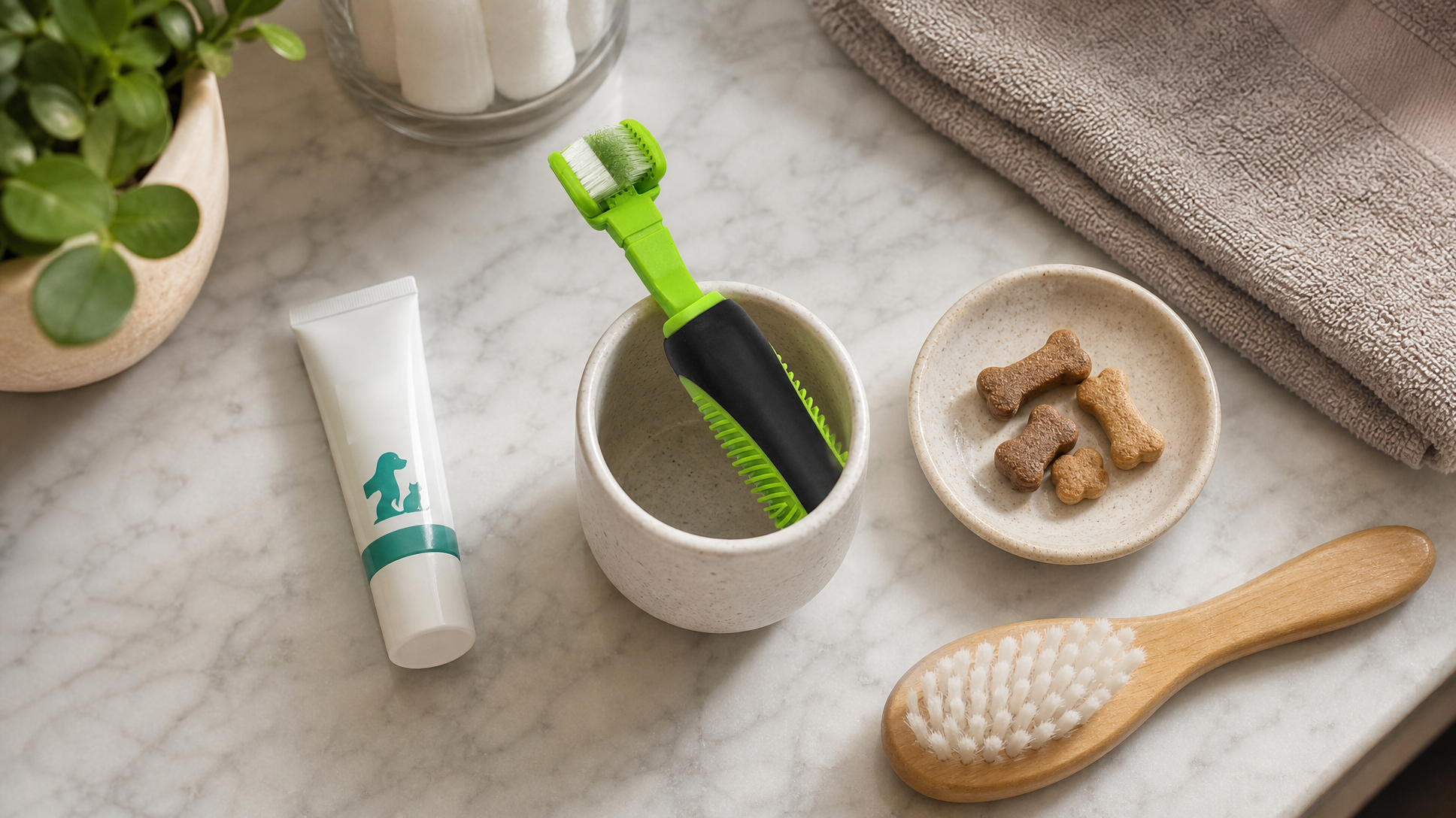
Top Skin and Coat Care Tips for Cold Months
- Run a humidifier indoors to add moisture to dry air, benefiting both pets and humans.
- Reduce bathing frequency and use moisturizing shampoos with oat or aloe to soothe sensitive skin.
- Dry thoroughly after outdoor walks, focusing on paws, belly, and legs to prevent chafing.
- Trim around paws and maintain a brushed, mat-free coat to avoid ice buildup and retain warmth.
- Brush regularly to distribute natural oils and support skin health.
Consistent care keeps your dog’s coat glossy and skin comfortable throughout the cold months.
2. Essential Winter Paw Care: Booties, Balm, and More
Your dog's paws endure ice, salt, and cold surfaces daily in winter. Protecting them is crucial to prevent painful cuts, burns, and frostbite.
Why Paw Protection Is Crucial
Salt and chemicals used to melt ice can cause burns and irritation. If ingested, they become dangerous toxins. Good paw health is both comfort and safety.
How to Keep Your Dog’s Paws Safe
- Use dog booties for the best all-around protection; introduce them indoors to ensure comfort.
- Apply paw balm or pet-safe petroleum jelly before walks to create a protective barrier.
- Clean and dry paws immediately after being outside, checking between toes for ice and debris.
- Trim fur on paw pads sufficiently to prevent ice clumps from forming.
3. Managing Cold Exposure: Clothing and Outdoor Time for Dogs
While fresh air is important, cold temperatures require careful monitoring—especially for small, short-haired, young, or senior dogs.
How Cold Is Too Cold for Your Dog?
If it feels too cold for you, it’s likely too cold for your dog. Keep extra protections in place, especially during extreme weather.
Tips for Keeping Your Dog Warm on Winter Walks
- Limit walks to short, frequent outings, preferably during the warmest parts of the day.
- Dress your dog in well-fitted sweaters or insulated coats made with dry materials.
- Dry your dog thoroughly after exposure to snow or rain to prevent chills.
4. Winter Hazards: Antifreeze and Chemical Safety for Pets
Winter chemicals, especially antifreeze, are sweet-smelling but deadly to pets. Awareness and prevention save lives.
The Hidden Danger of Antifreeze
Ethylene glycol tastes sweet to pets and is highly toxic — ingestion causes severe poisoning within hours.
How to Protect Your Dog from Toxic Substances
- Store antifreeze and de-icers securely and clean spills immediately.
- Choose pet-safe ice melt products when possible, and wipe paws after walks.
- Know poisoning symptoms: vomiting, drooling, lethargy, and poor coordination.
- Seek emergency care promptly if poisoning is suspected.
5. Hydration and Nutrition: Fueling Your Dog for Winter
Cold weather can cause dogs to drink less even as dehydration risk rises due to dry air. Nutrition also needs mindful adjustment.
Why Dogs Can Get Dehydrated in Winter
Dry air and low humidity reduce thirst signals. Indoor heating further dries both environment and pet.
How to Help Your Dog Stay Hydrated
- Provide fresh, clean water constantly. Use plastic or ceramic bowls to reduce freezing risk.
- Consider heated water bowls for outdoor use to prevent ice buildup.
Nutritional Adjustments for the Season
- Increase food portions or nutrient density for active outdoor dogs to support extra energy needs.
- Monitor less active indoor dogs to prevent winter weight gain.
- Feed balanced, high-protein diets to maintain muscle and energy.
6. Joint Care and Support for Senior Dogs in Winter
Cold weather often worsens arthritis and joint stiffness in older dogs. Targeted care improves their comfort and mobility.
How Cold Temperatures Affect Joints
Cold restricts blood flow and tightens muscles, increasing joint pain and limiting movement for vulnerable dogs.
Helping Senior Dogs Stay Comfortable
- Provide warm, draft-free bedding, using orthopedic beds, extra blankets, or pet-safe heating pads.
- Encourage gentle indoor activities to prevent stiffness without strain.
- Consult your vet about supplements and medications like SAVAVET LUBRIHANS containing glucosamine and chondroitin to support joints.
7. Keeping Your Dog Active: Indoor Exercise and Mental Stimulation
When outdoor play is limited by ice and cold, indoor activity is vital to keep dogs fit and happy.
Easy Ways to Keep Your Dog Engaged Indoors
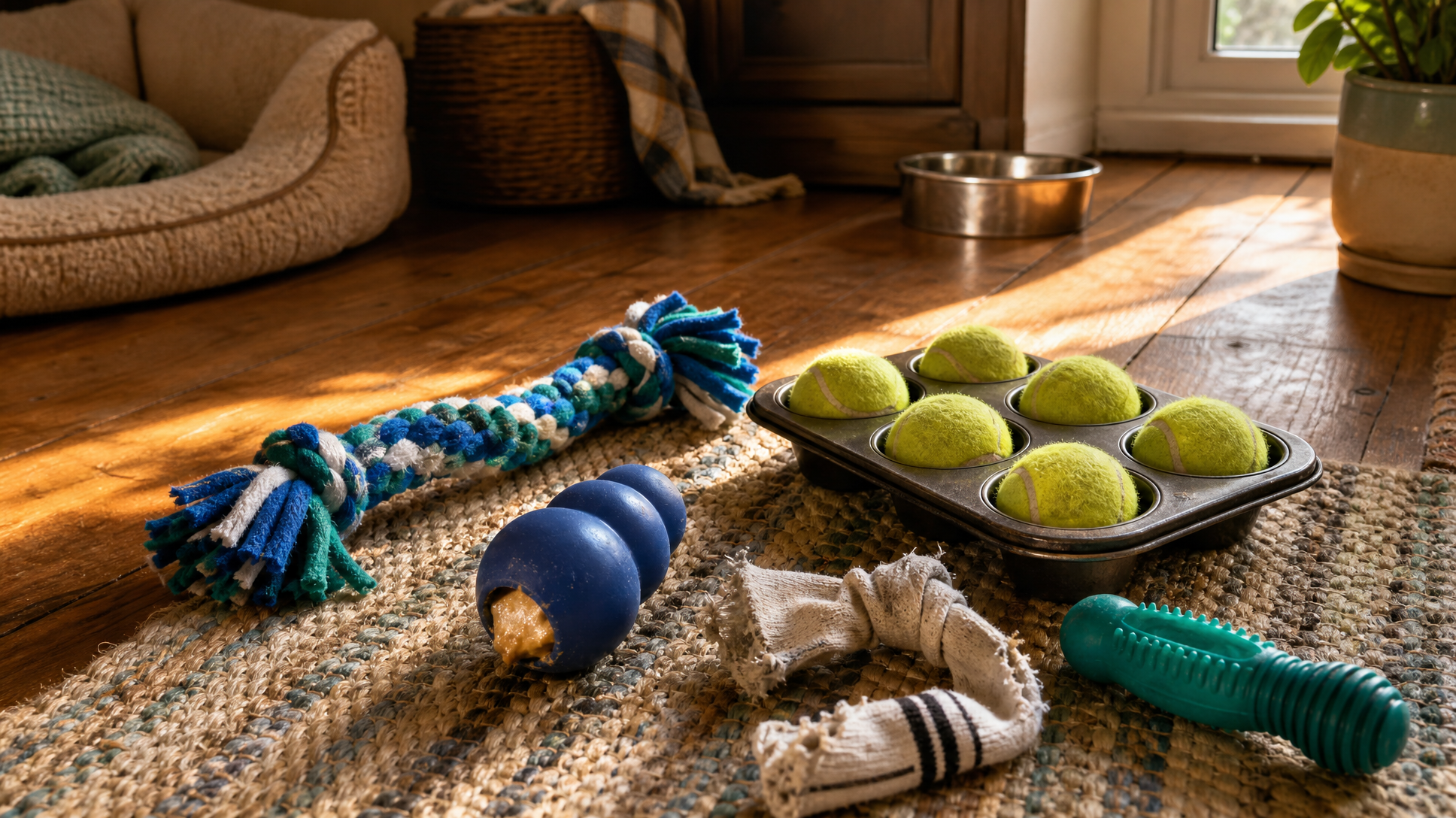
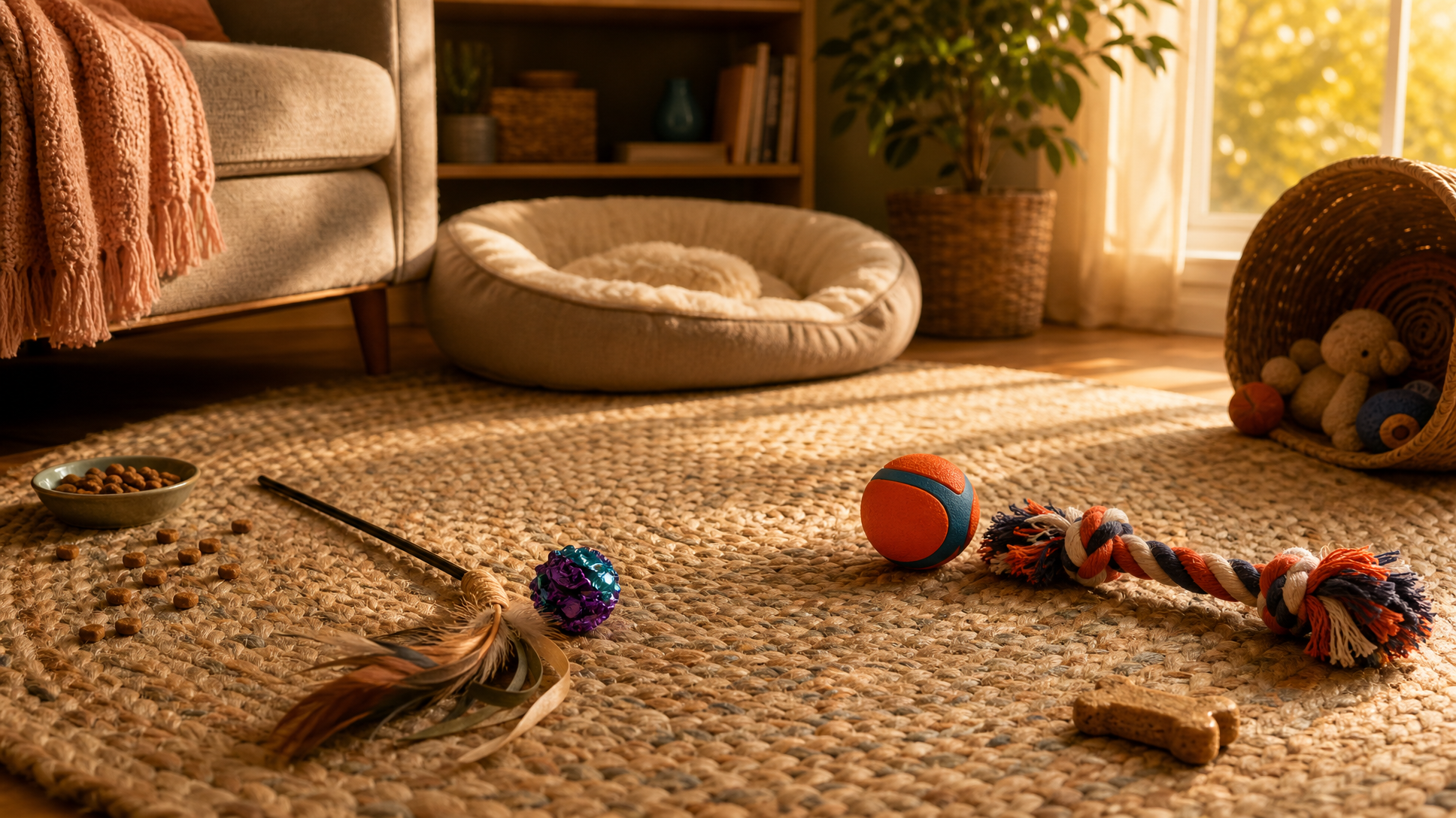
- Play interactive games such as fetch, tug-of-war, hide-and-seek, and obedience drills.
- Use puzzle feeders and treat-dispensing toys to challenge your dog's brain during mealtimes.
- Create simple indoor obstacle courses or scent games to promote low-impact exercise.
8. Winter Veterinary Care and Safety Monitoring
Regular veterinary care and observing your dog's condition during winter are key to early problem detection and intervention.
What to Watch For in Cold Weather
- Signs of hypothermia: shaking, lethargy, slow breathing, stumbling.
- Signs of frostbite: pale or bluish skin on ears, tail, and paws that feel cold.
- Skin problems: excessive licking, bleeding, cracked skin, or limping.
How Your Vet Can Help
- Schedule seasonal wellness checks, especially for puppies, seniors, or dogs with existing health issues.
- Review dietary or medication changes to better support winter health.
- Ensure collar, ID, and microchip info are current. Reflective gear and GPS trackers add safety in short daylight conditions.
9. Final Thoughts: Preparing Your Pet for a Safe and Happy Winter
Thoughtful winter preparation blends preventive care and attentive daily habits. From nourishing shampoos to cozy coats and smart nutrition, each element helps your dog face winter’s challenges comfortably.
Equip yourself for the season by exploring premium winter supplies like hydrating shampoos, booties, orthopedic beds, heated bowls, and more at Petocart Winter Collection.
Warm paws, soft coats, and wagging tails—give your dog everything they need to stay safe and spirited all season long.
Celebrate the season with savings — get 5% off your order using code EXCLUSIVE5 at checkout
FAQ
Q1: How often should I bathe my dog during winter to avoid dry skin?
Bathing frequency should be reduced in winter—typically once every 4-6 weeks or as needed. Use moisturizing shampoos with ingredients like oat or aloe to soothe your dog’s skin and maintain natural oils.
Q2: Are dog booties necessary for all dogs in winter?
While not mandatory for every dog, booties are highly recommended for dogs walking on salted sidewalks, ice, or snow to prevent cuts, burns, and frostbite. For dogs resistant to booties, paw balms can provide protective barriers.
Q3: What signs indicate my dog might be experiencing hypothermia?
Watch for trembling, extreme fatigue, slow or shallow breathing, pale gums, and difficulty walking or stumbling. If you suspect hypothermia, warm your dog gradually and seek veterinary care immediately.
Q4: How can I keep my dog hydrated when they don’t seem to drink much in cold weather?
Offer fresh, room-temperature water frequently, and consider using heated water bowls to prevent freezing. You can also encourage drinking by adding a splash of low-sodium broth or offering ice cubes as treats.
Q5: What joint supplements are safe for senior dogs during winter?
Supplements containing glucosamine, chondroitin, and hyaluronic acid can help support joint health. Products like SAVAVET LUBRIHANS are designed to reduce inflammation and improve mobility, but always consult your vet before starting any new supplement.