Cart
0
How to Keep Your Pets Healthy and Active: The Ultimate Guide to Exercise and Nutrition
Keeping your pet healthy and active is essential for a long, happy life. This guide covers expert tips on exercise, nutrition, and mental enrichment to ensure your beloved companion thrives physically and emotionally.
Key Takeaways
- Regular, tailored exercise supports mobility, mental health, and longevity.
- Combining physical activity with a balanced diet helps prevent obesity and related diseases.
- Mental enrichment through safe toys and interactive play reduces stress and boredom.
- Hydrotherapy offers low-impact exercise ideal for older or injured pets.
- Consistent daily routines promote emotional stability and health monitoring.
- Veterinary guidance is crucial for personalized care and progress tracking.
- Socialization enhances emotional well-being and keeps pets motivated to stay active.
Table of Contents
- 1. Why Regular Exercise Is Essential for Pet Health
- 2. Combating Pet Obesity with Exercise and Nutrition
- 3. Building a Balanced Diet for Your Pet’s Wellbeing
- 4. Safe Toys and Mental Enrichment for Active Pets
- 5. Hydrotherapy and Low-Impact Exercise for Older Pets
- 6. Establishing a Consistent Daily Routine for Pet Wellbeing
- 7. Veterinary Guidance and Monitoring is Crucial
- 8. Socialization Supports Emotional and Physical Wellness
- 9. Conclusion: Building a Healthy, Active Lifestyle for Your Pet
1. Why Regular Exercise Is Essential for Pet Health
Exercise is much more than a way for your pet to burn off energy — it's fundamental to their overall wellbeing. Physical activity supports muscle strength, joint flexibility, cardiovascular health, and helps maintain a healthy weight. Mentally, exercise reduces boredom and discourages negative behaviors, while also contributing to a longer, healthier life.
- Physical benefits: Builds muscle, supports joints, and keeps pets lean.
- Mental stimulation: Keeps your pet engaged, lowering destructive habits.
- Longevity: Active pets often enjoy longer lifespans and better moods.
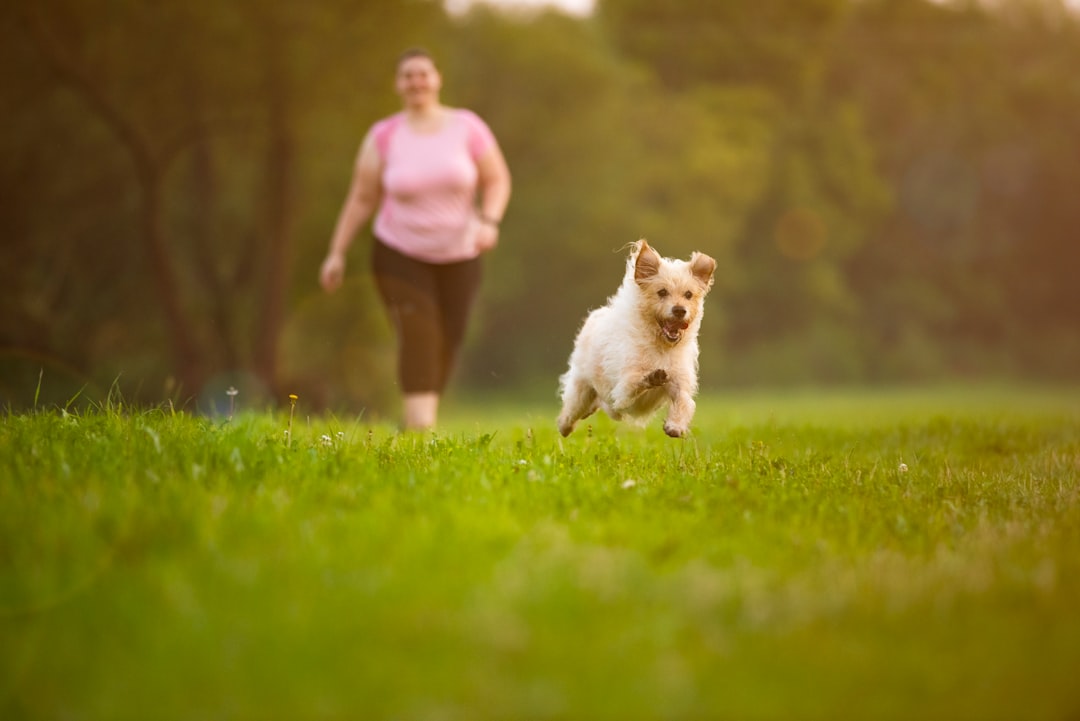
Tailor exercise to your pet’s individual needs. High-energy dogs like Border Collies thrive with agility and runs, while older or arthritic pets benefit from gentle walks or swimming.
2. Combating Pet Obesity with Exercise and Nutrition
Obesity affects nearly half of dogs and cats, increasing risks for diabetes, arthritis, breathing difficulties, and more. Effective weight management blends regular purposeful exercise with precise dietary control.
Health Risks Linked to Pet Obesity:
- Diabetes and insulin resistance
- Joint inflammation and arthritis
- Breathing difficulties and reduced stamina
- Weakened immune system
- Higher cancer risk
Smart Exercise Strategies for Weight Control:
- At least 30 minutes of daily purposeful activity like brisk walks or fetch
- Mental games, scent tracking, and puzzle toys for stimulation
- Hydrotherapy or swimming for older or overweight pets
- Social playdates and park visits to boost motivation
Physical activity helps burn calories, preserves muscle mass, and protects mobility, making weight management more effective and sustainable.
3. Building a Balanced Diet for Your Pet’s Wellbeing
Nutrition forms the foundation of your pet’s health. A well-built diet supports ideal weight, vitality, and disease resistance by reflecting your pet’s species, age, breed, and activity level.
Celebrate the season with savings — get 5% off your order using code EXCLUSIVE5 at checkout
Guidelines for Smarter Feeding:
- Choose high-quality foods with real meat as the primary ingredient to maintain muscle.
- Diets moderate to low in fat help control calories without sacrificing nutrition.
- Use scales or measuring cups for proper portion control; avoid free feeding.
- Feed two or more small meals daily to stabilize energy and prevent overeating.
- Limit treats to under 10% of daily calories. Healthy treats include baby carrots and green beans.
- Consult your veterinarian about weight-loss-specific diets designed for your pet’s needs.
Balanced nutrition combined with regular activity is key to your pet’s long-lasting health.
4. Safe Toys and Mental Enrichment for Active Pets
Mental stimulation is critically important alongside physical exercise. Boredom can cause anxiety, overeating, and undesirable behaviors. Safe, engaging toys and enrichment activities keep your pet’s mind sharp and moods balanced.
Choosing the Right Toys:
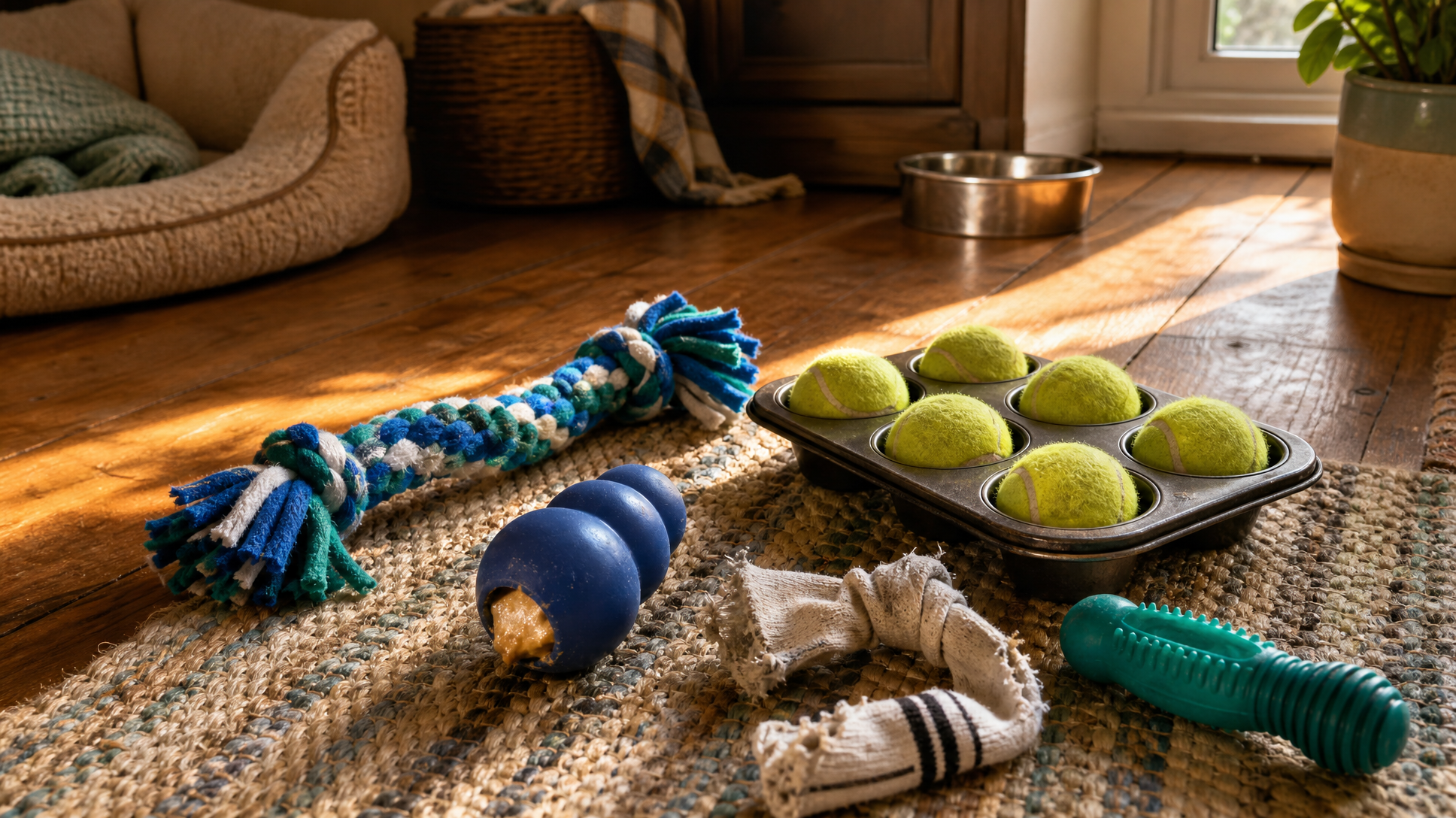
- Avoid hard toys like resin frisbees or tennis balls that risk tooth damage.
- Opt for durable but gentle toys made of natural rubber or canvas.
- Puzzle feeders and treat-dispensing toys turn mealtimes into challenges.
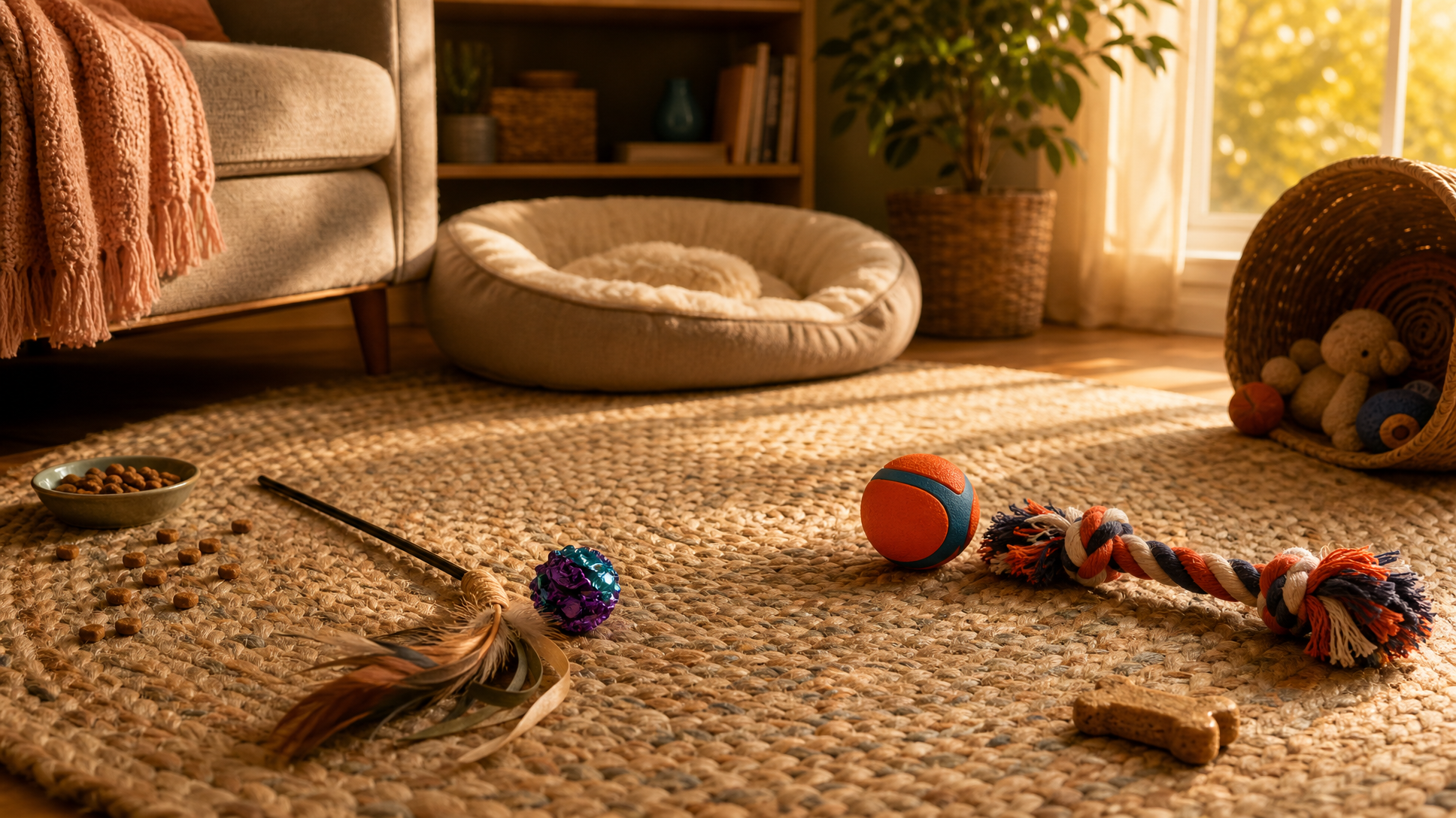
- Interactive toys such as feather wands or scent-based options encourage play.
Brain-Boosting Enrichment Ideas:
- Teach new tricks and commands to engage cognitive skills.
- Play scent games or hide treats for exploration.
- Use scatter feeding to mimic natural foraging behavior.
- Plan social outings with other pets for diverse mental stimulation.
Mental enrichment reduces stress, improves behavior, and supports a healthier lifestyle.
5. Hydrotherapy and Low-Impact Exercise for Older Pets
Traditional exercise can be difficult or painful for pets with arthritis, injury, or obesity. Hydrotherapy provides a low-impact, effective way to build strength and support recovery.
Why Water-Based Exercise Works:
- Reduces joint pressure while providing resistance for muscle building.
- Improves cardiovascular health in a gentle environment.
- Supports steady, pain-free weight loss.
- Assists rehabilitation for seniors or post-surgical pets.
Customized sessions keep your pet active and comfortable, making hydrotherapy a valuable addition to fitness routines.
6. Establishing a Consistent Daily Routine for Pet Wellbeing
Pets flourish with predictability, which encourages emotional stability and helps maintain positive habits. A set routine also ensures regular health monitoring.
A Sample Daily Routine:
- Morning: Measured breakfast, followed by 20-30 minutes of walk or hydrotherapy.
- Midday: Low-calorie treat inside a puzzle toy for mental engagement.
- Afternoon: Interactive play or park visit for social and physical activity.
- Evening: Smaller dinner portion, then 20-30 minutes of play or training.
- Weekly: Weigh your pet to track progress; adjust diet/exercise accordingly.
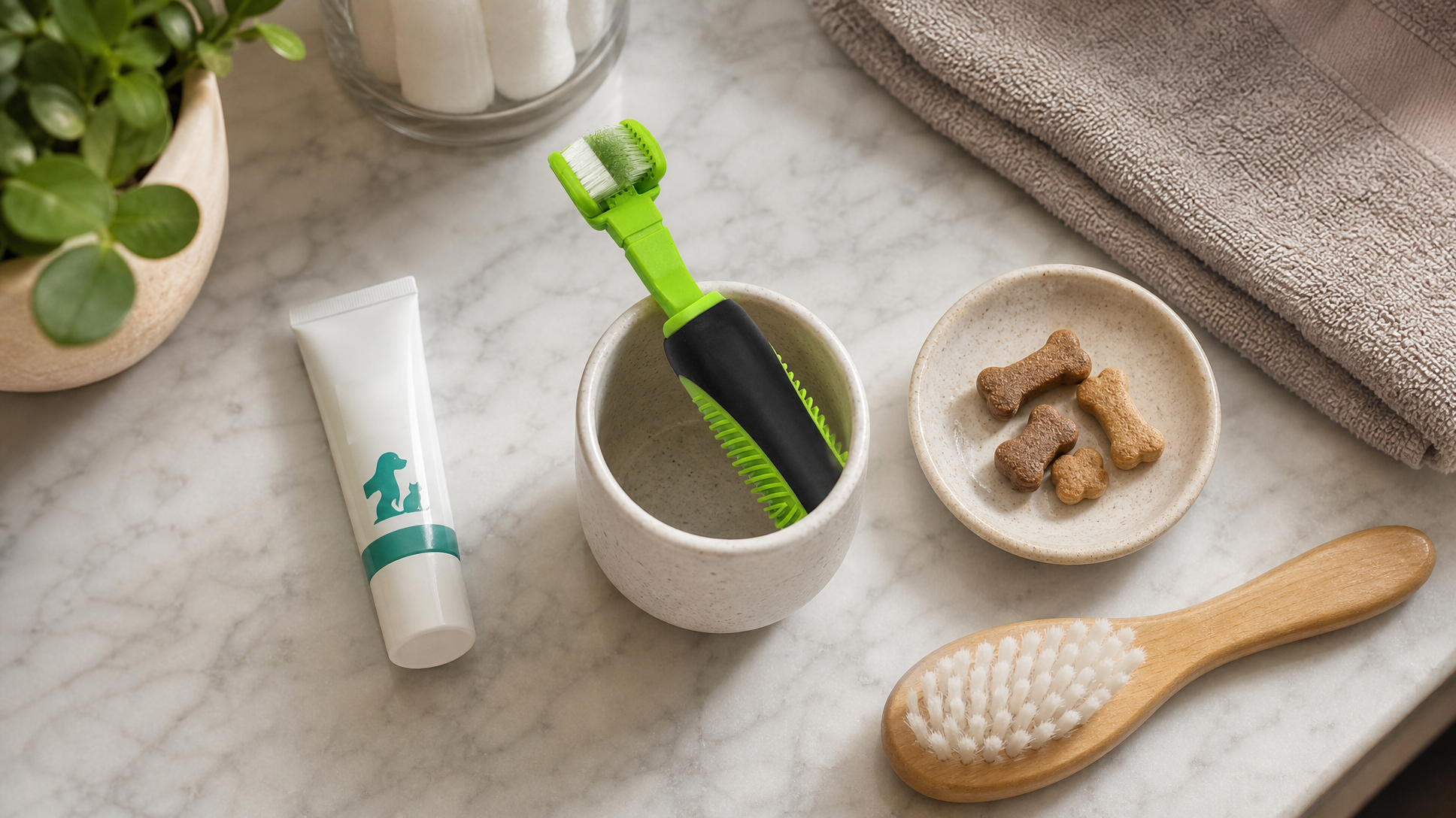
Incorporate grooming and health checks to detect early signs of illness and maintain wellbeing.
7. Veterinary Guidance and Monitoring is Crucial
Working with your veterinarian ensures your pet’s program is safe, personalized, and effective.
- Customized weight-loss plans consider medical issues like thyroid or arthritis.
- Ensure nutrient needs are met while calories are managed.
- Regular body condition assessments help adjust exercise and diet.
- Early detection of health issues enables timely interventions.
Partnering with your vet provides peace of mind and successful health outcomes.
8. Socialization Supports Emotional and Physical Wellness
Playdates and park visits do more than entertain—they promote emotional balance, reduce anxiety, and encourage physical activity through social motivation.
- Reduces stress and improves behavior.
- Keeps pets motivated to stay active.
- Strengthens the bond between you and your pet.
- Builds adaptability to new people, places, and experiences.
Regular social interaction is an important component of your pet’s overall health.
9. Conclusion: Building a Healthy, Active Lifestyle for Your Pet
Maintaining your pet’s health is a holistic commitment that blends physical exercise, balanced nutrition, mental enrichment, and consistent care. By preventing obesity and promoting emotional wellness, you help your loyal companion enjoy a vibrant life.
- Customize exercise and mental activities based on breed, age, and energy.
- Focus on nutrient-dense foods and accurate portion control.
- Use safe enrichment tools and toys to keep your pet engaged.
- Incorporate low-impact exercises like hydrotherapy when needed.
- Establish a steady daily routine for balance and health monitoring.
- Collaborate closely with your veterinarian for tailored care.
- Include socialization to support emotional vitality.
At Petocart, we are proud to provide thoughtfully designed pet accessories — created to energize play, encourage exercise, and simplify healthier habits. Together, we can help your pet thrive in body and mind.
FAQ
Q1: How much exercise does my dog or cat need daily?
Most pets benefit from at least 30 minutes of purposeful activity per day, but the exact amount varies by age, breed, and health. High-energy dogs may need more intense or longer sessions, while older or arthritic pets do better with gentle, low-impact exercise like walks or hydrotherapy.
Q2: What are some healthy treats I can give my pet?
Limit treats to no more than 10% of daily calories. Healthy options include baby carrots, green beans, cucumber slices, or vet-approved low-calorie treats. Always consider your pet’s dietary restrictions and consult your veterinarian if unsure.
Q3: When should I consider hydrotherapy for my pet?
Hydrotherapy is ideal for pets recovering from injury, suffering arthritis, or those overweight and unable to perform high-impact exercise. It alleviates joint stress while building strength and aiding rehabilitation. Always consult your vet before starting hydrotherapy.
Q4: How can I tell if my pet is overweight?
Common signs include difficulty feeling ribs, a rounded abdomen, and decreased activity levels. Regularly weighing your pet and consulting body condition score charts during vet visits can help identify overweight issues early.
Q5: How important is socialization for my pet’s health?
Socialization reduces stress, improves behavior, and motivates physical activity. Through playdates and park outings, pets build confidence, adaptability, and enjoy an enriched quality of life.