Cart
0
The Ultimate Guide to Automatic Cat Litter Boxes: Convenience, Health, and Hygiene Revolution
Discover how automatic cat litter boxes are transforming pet care by combining time-saving convenience with advanced health monitoring and superior odor control.
Key Takeaways
- Automatic litter boxes save time by self-cleaning and maintaining better hygiene.
- Advanced models provide health monitoring through AI analysis of waste.
- Odor control uses innovative technologies like photocatalytic TiO₂ and carbon filters.
- Choosing the right model depends on cat size, household needs, and litter compatibility.
- Long-term savings come from reduced litter use and durable design despite higher initial cost.
Table of Contents
- Introduction to Automatic Cat Litter Boxes
- How Automatic Cat Litter Boxes Work
- Benefits of Automatic Cat Litter Boxes
- Choosing the Right Automatic Litter Box
- Odor Control Technologies
- Cost and Sustainability
- Veterinary Insights
- Different Types of Litter Boxes
- Market Trends and Innovations
- Conclusion
- Frequently Asked Questions (FAQ)
1. Introduction to Automatic Cat Litter Boxes
Cat owners seeking a cleaner home and healthier pets increasingly rely on automatic cat litter boxes. These modern devices automate the waste cleaning process so you don’t have to perform the daily chore yourself. Beyond convenience, they incorporate innovative health monitoring systems and superior odor control methods that revolutionize how we care for our feline companions.
This guide explores how automatic litter boxes operate, why they're beneficial, expert tips on selecting the best model, and emerging trends shaping their future.
2. How Automatic Cat Litter Boxes Work: Technology Behind Convenience
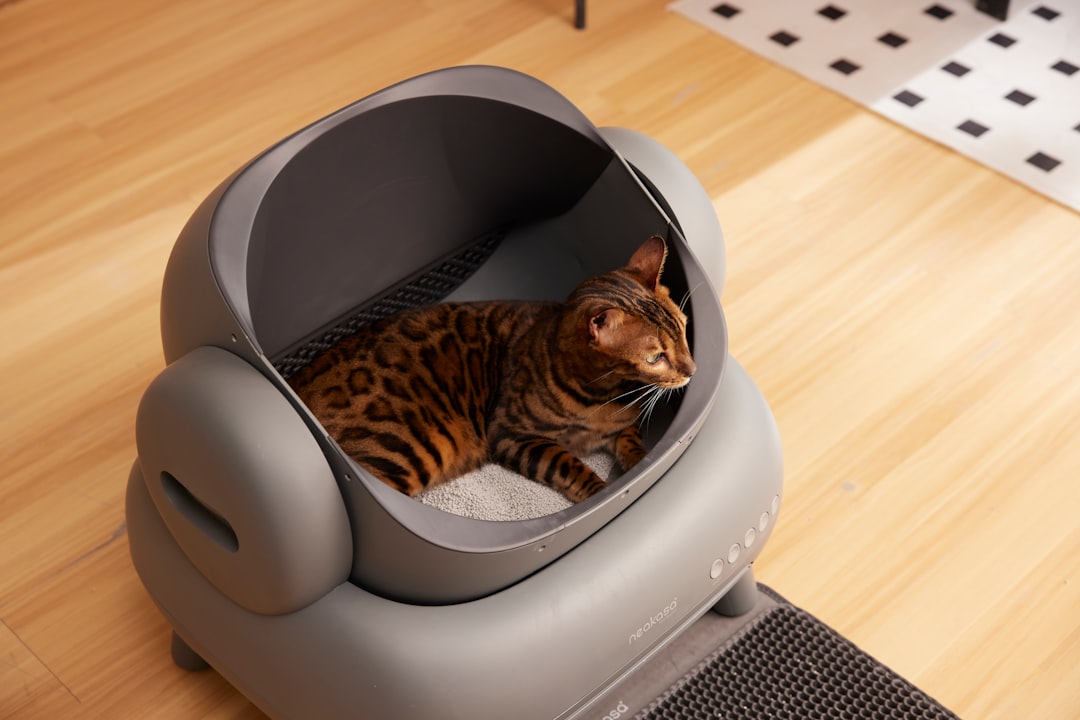
Automatic litter boxes utilize a blend of sensors and mechanical systems to detect when a cat has used the box. After your cat exits, an internal cleaning mechanism swiftly separates clumps of waste from the clean litter, disposing of it hygienically.
Key Features of Cleaning Mechanisms
- Rake Systems: A rake sifts through litter to gather clumps, which are then deposited into a sealed waste drawer.
- Rotating Drums: Some units rotate a drum or sieve to separate waste from clean litter.
- Sifting Trays: Waste falls through a mesh tray while fresh litter stays on top.
Motion sensors prevent cleaning cycles from starting while the cat is inside, avoiding injury or stress.
"Automatic litter boxes not only save you time; they maintain a cleaner environment for your cat and reduce scattered litter all over the home."
More advanced models incorporate AI cameras and sensors that analyze your cat’s waste for health indicators such as urine color and usage frequency, enabling early detection of potential issues.
3. Benefits of Automatic Cat Litter Boxes: Convenience, Hygiene, and Health
Automation and Convenience
- Significant time savings by eliminating daily scooping.
- Beneficial for busy households and multi-cat environments.
- Quiet operation minimizes disturbance to sensitive cats.
- Reduces manual labor and exposure to unpleasant odors.
Superior Odor and Hygiene Control
- Sealed waste compartments lock in odors until disposal.
- Use of carbon and photocatalytic titanium dioxide (TiO₂) filters to break down odor-causing molecules and bacteria.
- Immediate waste removal reduces ammonia build-up, keeping the litter box fresher for longer periods.
Health Monitoring Capabilities
AI-powered devices like the PETKIT Purobot Ultra track waste characteristics and usage patterns to spot early signs of urinary tract infections or digestive problems, allowing owners to intervene sooner than traditional methods.
Some systems facilitate data sharing with veterinarians, enhancing preventive care and reducing emergency visits.
4. Choosing the Right Automatic Litter Box for Your Cat
Selecting the ideal automatic litter box involves assessing your cat’s size, the number of cats you have, and their behavior.
Considerations When Selecting a Model
- Cat Size: Ensure ample space for your cat's comfort.
- Multi-Cat Households: Choose models with greater waste capacity and faster cleaning cycles.
- Noise Level: Opt for quiet operation to avoid startling sensitive cats.
- Litter Compatibility: Confirm if the unit supports your preferred litter type — clumping clay, crystals, pellets, etc.
- Safety Features: Motion and weight sensors prevent cleaning cycles when cats are nearby.
- Maintenance Ease: Look for tool-free assembly and removable waste drawers for simple upkeep.
Transitioning Your Cat to an Automatic Litter Box
- Place the automatic box next to the existing one to encourage use.
- Start with the same litter material to maintain familiarity.
- Gradually introduce new litter over a period of days or weeks.
- Offer treats or affection when your cat uses the new box.
- Consider models with semi-automatic or quiet modes for gentle introduction.
5. Odor Control Technologies in Automatic Litter Boxes
Effective odor control sets automatic litter boxes apart from traditional options. Advanced technologies target odors at their source while improving indoor air quality.
Photocatalytic Titanium Dioxide (TiO₂)
- Light-activated TiO₂ breaks down odor molecules and kills bacteria instantly.
- Utilized in brands such as PetSnowy SNOW+ for consistent chemical-free odor removal.
Carbon and HEPA Filters
- Activated carbon filters absorb ammonia and volatile organic compounds.
- HEPA filters trap fine airborne particles, enhancing air quality around the box.
Waste Drawer Sealing
- Self-sealing compartments contain odors effectively until disposal.
- Removable sealed bags minimize exposure during waste removal.
6. Cost and Sustainability: Long-Term Savings with Automatic Litter Boxes
Though automatic litter boxes come with a higher upfront cost, they often pay for themselves through reduced litter use and less frequent maintenance.
- Reduced Litter Consumption: Efficient waste separation lowers litter usage by 30–50% annually.
- Lower Maintenance Frequency: Waste is removed promptly, meaning less frequent full litter changes.
- Durable and Modular Designs: Easily replaceable parts extend product lifespan, ensuring long term value.
7. Veterinary Insights: Why Health Monitoring Matters
Veterinary experts stress that a clean litter box and monitoring usage patterns are essential in preventing health issues and stress.
- Untidy litter boxes increase risks of urinary tract infections and other health problems.
- Stress from dirty litter boxes may lead to behavioral and medical issues.
- Smart boxes with AI help detect changes such as reduced box visits or altered waste appearance, signaling early illness.
- Sharing AI data with veterinarians enables timely interventions, improved outcomes, and reduced costs.
Dr. Sarah Wooten notes, "Monitoring litter box behavior with smart technology provides invaluable insights that can detect illness days before traditional observation."
8. Exploring Different Types of Litter Boxes Beyond Automation
If an automatic box isn't the right fit, various other designs offer benefits tailored to different preferences and cats.
- Open Trays: Provide excellent airflow and easy access but limited odor control.
- Covered Boxes: Reduce mess and odors but some cats dislike confined spaces.
- Top-Entry Boxes: Reduce litter tracking and enhance privacy; best for agile cats.
- Sifting Boxes: Use layered trays for easy waste removal without disturbing clean litter.
- Furniture-Integrated Boxes: Blend with décor, suitable for style-conscious owners.
- Specialized Systems: Examples like Purina’s Tidy Cats® Breeze® use pellets and disposable pads for odor and mess control in open trays.
9. Market Trends and Innovations: What’s Next for Automatic Cat Litter Boxes?
The automatic litter box market is rapidly evolving with innovations focused on enhanced health tracking, convenience, and user experience.
- Integration of AI for comprehensive health monitoring and real-time alerts.
- New quiet operation technologies for stress-free environments.
- Widespread adoption of photocatalytic TiO₂ and refined filtration systems for superior odor control.
- Modular designs to simplify cleaning and maintenance routines.
- Models tailored specifically for multi-cat homes featuring larger capacity and faster cycles.
- Smartphone app integration for remote monitoring and notifications.
10. Conclusion: Why Automatic Cat Litter Boxes Are a Smart Choice
Automatic self-cleaning cat litter boxes have shifted from mere convenience tools to vital components of holistic pet care. By combining effortless waste management with advanced health monitoring and effective odor control, they offer significant advantages for both cats and owners.
Whether managing several cats in a busy household or simply seeking a cleaner, stress-free solution, investing in an automatic litter box saves time, enhances hygiene, and offers early health alerts. Thoughtfully consider your cat’s needs and preferences when choosing a model to ensure a smooth fit into your home routine.
Explore reputable retailers for the latest automatic litter box models to experience this new standard in cat care today.
Frequently Asked Questions (FAQ)
Q1: Are automatic litter boxes safe for all cats?
Yes, when equipped with motion and weight sensors that prevent cleaning cycles while the cat is inside, automatic litter boxes are safe for cats of most sizes and ages. However, very young kittens or nervous cats may need a gradual introduction.
Q2: Do automatic litter boxes require special litter?
Many models work best with clumping litter, but some support pellets or crystal litters. Always check manufacturer guidelines for compatible litter types to ensure proper functioning.
Q3: How often do I need to empty the waste drawer?
The frequency depends on the number of cats and the model’s capacity but typically ranges from every few days up to once a week.
Q4: Can AI health monitoring replace regular veterinary visits?
No, AI monitoring complements but does not replace veterinary care. It helps identify potential issues early, enabling prompt professional evaluation and treatment.
Q5: Will my cat accept an automatic litter box easily?
Most cats adjust well, especially with gradual introduction steps such as placing the new box beside the old one and using familiar litter to reduce anxiety.